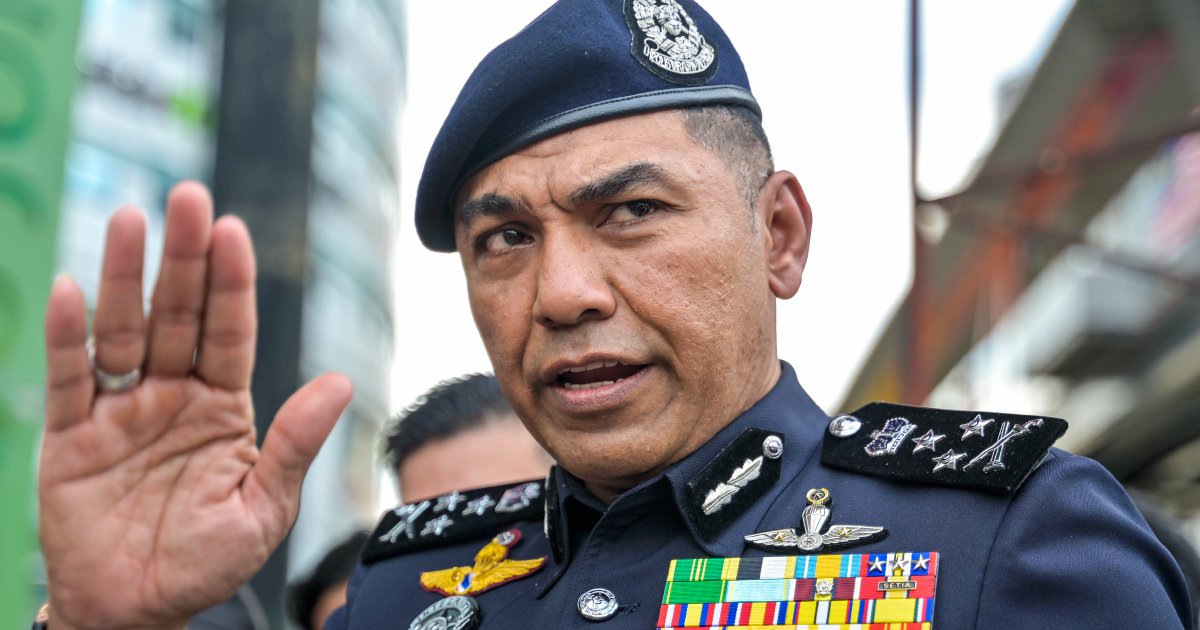
Authorities in Kuala Lumpur have taken a suspected illegal motorcycle racing 'jockey' into custody following a coordinated police operation that netted three men attempting to evade law enforcement at a condominium complex in Sentul during the early morning hours. The arrests represent another step in ongoing efforts to dismantle underground racing networks that have grown increasingly visible across the Klang Valley.
The operation, conducted as dawn broke, targeted the residential condominium where intelligence suggested key figures in the illegal motorcycle racing scene were gathering. When officers moved in, the three suspects attempted to flee the scene, prompting a pursuit that culminated in their apprehension. The detained individuals are currently assisting police with their inquiries regarding their involvement in underground racing activities.
The role of a 'jockey' in illegal motorcycle racing networks differs fundamentally from street racers themselves. These individuals typically orchestrate events, coordinate finances, organize participation, and manage betting arrangements across multiple locations. Their arrest signals that law enforcement is targeting the operational infrastructure of these networks rather than solely focusing on street-level participants. In Malaysia's context, where motorcycle culture runs deep through society, the distinction between legal enthusiasts and illegal operators has become increasingly important as authorities seek to address public safety concerns.
Illegal motorcycle racing has emerged as a persistent challenge for the Royal Malaysia Police, particularly in urban areas where dense housing and multiple highway intersections create suitable venues for dangerous street racing. These activities not only pose immediate risks to the racers themselves but also endanger ordinary commuters and pedestrians. Previous enforcement campaigns have highlighted the scale of the problem, with dozens of racers sometimes involved in single coordinated events across different locations throughout the capital region.
The condominium setting suggests that these networks extend beyond simple roadside gatherings. The use of residential spaces for planning and coordination indicates a more organized structure than opportunistic street racing. This pattern has emerged in recent years as authorities tighten enforcement on public roads, pushing elements of the racing community toward private venues where they believe they face lower detection risk. However, the operation demonstrates that police intelligence capabilities have adapted to track and intercept these displaced activities.
The broader context of motorcycle culture in Malaysia presents particular challenges for law enforcement. Legitimate riding clubs and enthusiast groups operate throughout the country, and distinguishing between lawful assembly and illegal street racing requires clear evidence and careful investigation. The jockey's specialization in organization makes such individuals valuable targets for prosecution, as dismantling the hierarchical structure of these networks proves more effective than targeting individual racers who can be replaced easily.
Previous police operations in this domain have resulted in significant seizures of modified motorcycles, substantial cash from betting operations, and the identification of repeat offenders. The data consistently shows that while some participants are young and relatively first-time offenders, core organizers like jockeys frequently operate across multiple incidents over extended periods. Targeting these central figures disrupts the entire ecosystem of event planning and participant recruitment that sustains the underground racing scene.
The Sentul area, located within Kuala Lumpur's inner ring, has historically been associated with various criminal activities and remains a focus area for police operations. The condominium in question's proximity to major thoroughfares and its mix of residential and transient occupants make it a potentially attractive staging ground for illegal activities. The choice of this location by the racing network likely reflected calculated decisions about visibility, accessibility, and detection risk.
Moving forward, the arrest outcomes will provide valuable intelligence about the organizational structure, funding mechanisms, and key figures within the broader illegal racing network operating across the Klang Valley. Interrogations of the jockey suspect, in particular, are likely to yield information about event venues, participant networks, and financial flows that may lead to additional arrests and preventive measures. Such investigation-led intelligence gathering has proven effective in previous operations against organized racing syndicates.
The enforcement action underscores the Royal Malaysia Police's prioritization of public safety over lenient approaches to street racing. Recent statements from senior police officials have emphasized the department's commitment to pursuing racing networks with renewed vigor, citing traffic safety statistics and the documented dangers of high-speed motorcycle activities on public roads. This operation reflects those policy commitments, though the complex nature of dismantling these networks suggests that multiple coordinated actions across different jurisdictions will likely be necessary to achieve sustained impact.
For the Malaysian public and particularly for residents in urban areas, continued enforcement represents a significant quality-of-life issue. Night-time racing activities have disrupted sleep patterns in residential neighborhoods, created noise pollution, and generated genuine safety concerns. The arrest sends a message that participation in illegal racing, at every level, carries legal consequences. However, addressing the underlying appeal of these activities—the adrenaline, community, and identity factors—remains a longer-term challenge requiring stakeholder engagement beyond purely enforcement approaches.

