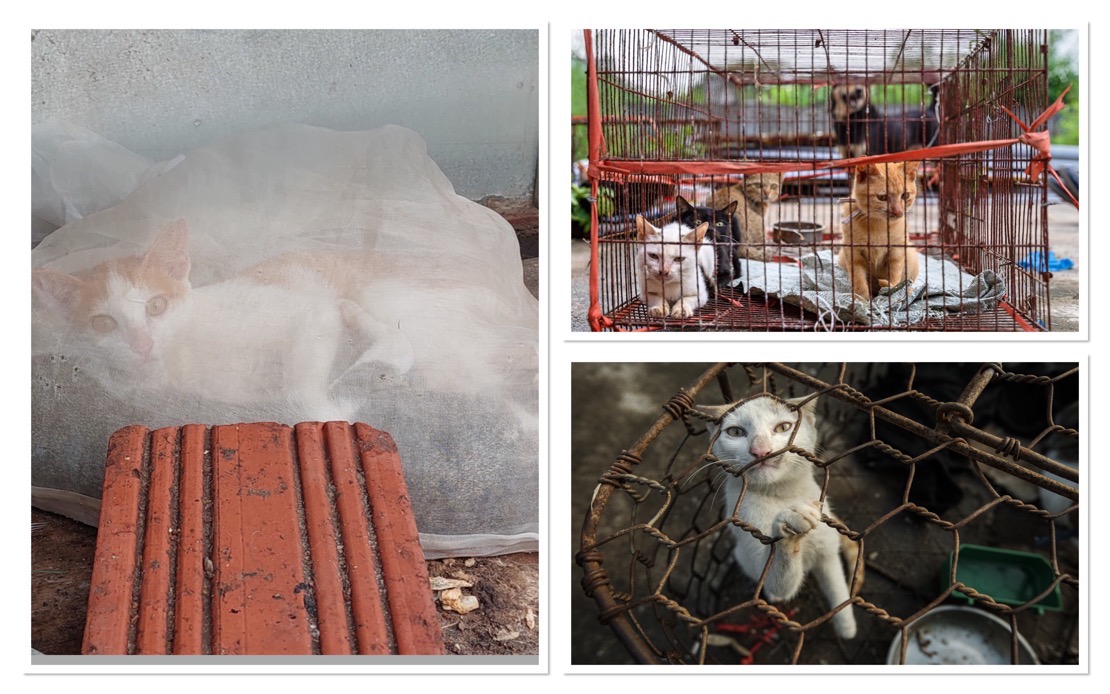
An underground trade in cat meat continues to flourish across Indochina despite decades of advocacy efforts, with animal welfare organisations estimating that roughly one million cats are slaughtered each year in Vietnam. The practice extends into Cambodia and Laos, where smaller numbers of cats are killed primarily for their alleged medicinal properties. This persistent illegal activity reflects deeply entrenched cultural beliefs that have proven resistant to reform campaigns, even as modern public opinion shifts decisively against the trade.
The demand for cat meat remains rooted in traditional superstitions rather than nutritional necessity or widespread dietary custom. According to Jon Rosen Bennett, who leads dog and cat welfare initiatives at FOUR PAWS, consumption patterns are driven by cultural associations and beliefs passed down through generations. In Vietnam, certain communities believe that consuming cat meat during specific lunar calendar periods can reverse bad luck or attract prosperity. Others maintain faith in purported health benefits, though these claims lack scientific foundation. The practice has become intertwined with folk traditions to such an extent that the animals themselves are colloquially referred to as "little tigers" within trafficking networks.
Recent enforcement action in Ho Chi Minh City has exposed the scale and organisation of this underground economy. Local police dismantled a criminal gang involved in inter-provincial trafficking operations, rescuing approximately 500 cats in a single operation. The nine detained suspects had allegedly orchestrated systematic theft and sales of felines over a three-year period, revealing how organised criminal syndicates profit from animal suffering. This bust demonstrates that the trade operates through structured networks rather than isolated incidents, with clear supply chains and distribution mechanisms.
Pricing data collected by FOUR PAWS during investigations in 2020 reveals a thriving commercial operation. Live cats were being traded at approximately RM25 to RM33 per kilogramme, with processed cat meat commanding higher prices of RM41 to RM49 per kilogramme. Black cats attracted premium pricing due to beliefs about their special luck-bringing or medicinal properties, creating perverse economic incentives that particularly target distinctive animals. This pricing structure indicates that traders recognise significant profit margins, making the business attractive to criminal elements despite growing legal and moral scrutiny.
A striking disconnect exists between the actual extent of cat meat consumption and public attitudes toward the practice. Surveys reveal that approximately 90 per cent of Vietnamese respondents would support legislation banning the dog and cat meat trade, while more than 90 per cent reject the notion that consuming cat meat represents authentic Vietnamese culture. This overwhelming public opposition suggests that the trade persists not because it enjoys broad societal support, but rather because legal frameworks remain inadequate and enforcement mechanisms are weak. The Vietnam government has not implemented a nationwide ban on slaughter, sale, or consumption of cat meat, creating a legislative vacuum that enables criminal operators to function with relative impunity.
The absence of legal prohibition stands in sharp contrast to the evident public will for reform. Bennett emphasised that the majority of regional residents do not consume cat meat and actively disapprove of the practice. This gap between public sentiment and legal status indicates that political will or capacity to enact comprehensive bans remains insufficient. Without explicit statutory prohibitions and dedicated enforcement resources, awareness campaigns and international pressure have proven insufficient to curtail the trade. The situation reflects broader challenges in animal welfare governance across Southeast Asia, where cultural practices and commercial interests can insulate illegal activities from meaningful intervention.
Beyond animal welfare considerations, the unregulated movement of live cats across borders poses significant public health risks. The informal networks through which cats are trafficked create ideal conditions for disease transmission, particularly rabies and other zoonotic pathogens capable of jumping to human populations. The lack of veterinary oversight, disease screening, and health documentation means that infected animals can move freely across international borders, creating outbreak risks for communities far from trafficking origins. These undocumented movements operate outside quarantine systems and health monitoring protocols, effectively creating disease corridors that threaten regional public health security.
The cat meat trade exists within a broader context of similar practices affecting canines. Animal activists estimate that more than 10 million dogs are slaughtered annually across Southeast Asia for meat consumption. However, dog meat consumption has become increasingly contentious, with growing public opposition and evolving legal restrictions in various jurisdictions. The simultaneous persistence of both cat and dog meat trades reflects the entrenched nature of these practices and the multifaceted challenges involved in shifting consumption patterns rooted in tradition and superstition.
International animal welfare organisations have intensified intervention efforts in response to the scale of suffering. FOUR PAWS launched an online public reporting platform in early June as part of an expanded awareness campaign in Cambodia, creating mechanisms for community reporting of trafficking activities. These initiatives attempt to leverage public opposition into actionable intelligence that can inform enforcement operations. By providing accessible channels for reporting and raising consciousness about the consequences of the trade, organisations seek to transform abstract public disapproval into concrete legal action and community mobilisation.
For Southeast Asian policymakers and the broader region, the cat meat trade presents a test case for translating public opinion into effective legal reform. Malaysia and other nations where animal welfare standards have advanced could experience reputational and diplomatic pressure if neighbouring countries fail to address practices that international standards increasingly classify as inhumane. The trade also illustrates how superstition-driven demand can persist despite scientific evidence, educational campaigns, and moral arguments, requiring sustained legal, enforcement, and cultural interventions to genuinely curtail. Regional cooperation frameworks addressing animal trafficking, disease control, and enforcement coordination could amplify the effectiveness of individual national efforts.
The persistence of the cat meat trade despite overwhelming public opposition and animal welfare advocacy reveals the complexity of eradicating culturally embedded practices through awareness alone. Meaningful reform requires comprehensive legislative action, robust enforcement mechanisms, cross-border cooperation, and addressing the economic incentives that make trafficking profitable for criminal networks. As regional governments increasingly recognise the public health dimensions of unregulated animal trade, there is growing potential for linking animal welfare concerns with disease prevention imperatives to justify stronger interventions. The challenge remains translating this emerging consensus into concrete policy changes that can genuinely protect vulnerable animals and reduce public health risks across Indochina.

