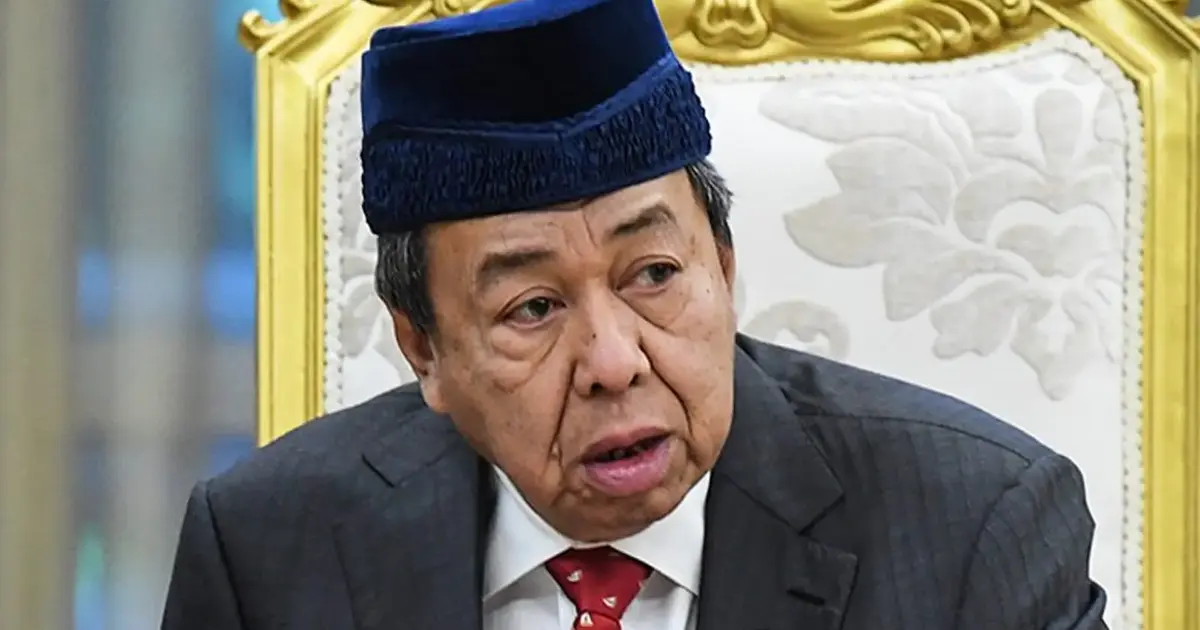
Selangor's Sultan Sharafuddin has delivered a notably balanced assessment of the Light Rapid Transit Line 3 project, crediting both former Prime Minister Najib Razak and the current administration under Anwar Ibrahim for their contributions to the major infrastructure initiative. The royal endorsement of both leaders, spanning different political eras, underscores the complexity of attributing major state development projects to any single government or political figure, particularly when such undertakings span multiple electoral cycles and administrations.
The Selangor ruler's dual acknowledgment reflects a pragmatic recognition that infrastructure projects of this scale require sustained commitment and resources across political transitions. The LRT3, a significant addition to the Klang Valley's public transportation network, represents exactly the type of long-term development where initial planning, funding approvals, and groundwork may occur under one government while construction, expansion, and completion proceed under another. This reality has become increasingly relevant in Malaysian politics as major projects often outlast the tenures of individual ministers or administrations.
However, Sultan Sharafuddin's remarks carried a pointed caveat that has drawn attention within political circles. The ruler singled out Lim Guan Eng and Tony Pua, both prominent Democratic Action Party figures, for specific criticism. The nature and context of this criticism carries significance given the DAP's role in both the previous Pakatan Harapan government and its continued position as a major coalition partner in the current administration. Such royal commentary on individual politicians, particularly those still active in governance, remains relatively uncommon and suggests underlying concerns about specific actions or positions related to the project's development.
Lim Guan Eng, who served as Finance Minister during the Pakatan Harapan administration from 2018 to 2020, would have held significant influence over budgetary allocations and financial frameworks affecting major infrastructure initiatives. His tenure coincided with a period when the new government faced urgent decisions about inherited projects from the previous Barisan Nasional era, including the LRT3. Tony Pua, meanwhile, has been a vocal advocate on economic and infrastructure matters and served as an advisor on economic affairs in the Pakatan Harapan cabinet, making him another central figure in decisions affecting major development programmes.
The criticism directed at these two DAP leaders may reflect frustrations over specific policy choices, budgetary decisions, or strategic directions during their tenure in the previous government. It could also relate to their positions or statements regarding the project during transition periods or their roles in oversight and evaluation of inherited infrastructure commitments. For Malaysian readers closely following state-level politics, this distinction matters because it suggests that the royal household's concerns are not broadly directed at any single party but rather at identifiable policy positions or decisions by particular individuals.
The LRT3 project itself holds substantial importance for Selangor's economic development and the broader Klang Valley region, which encompasses Malaysia's largest metropolitan area and industrial zones. The line's completion and operational success directly affect millions of commuters and represents a significant investment in sustainable urban mobility. Any delays, budget overruns, or quality issues would naturally concern both the state ruler and the general population depending on improved public transportation.
Sultan Sharafuddin's approach of crediting both Najib and Anwar while criticising specific DAP members also reflects a broader pattern in Malaysian governance where state rulers occasionally provide assessments or critiques that cross party lines. This reflects the constitutional role of state monarchies as custodians of state interests above partisan politics, though such interventions remain subject to interpretation and debate about appropriate bounds for royal commentary on contemporary political figures.
For the current government under Anwar, the royal acknowledgment provides useful political cover that the LRT3's progress enjoys multi-generational and cross-party support. This framing helps insulate the project from becoming a purely partisan political issue and emphasises continuity in state development priorities regardless of which coalition controls the federal government. Such framing is valuable when major projects require sustained funding and when political stability around infrastructure development serves broader state interests.
The criticism of Lim and Pua, conversely, may reflect concerns about transparency, decision-making processes, or specific outcomes during their period of authority. Given the significant resources involved in major infrastructure projects, any perception that opportunities for improvement were missed or that decisions lacked proper consideration of state-level interests would understandably generate royal concern. The specific focus on these two individuals rather than broader party-level criticism suggests the issues relate to identifiable decisions or positions rather than DAP's overall approach to governance.
For Malaysian observers of state politics, these remarks underscore how major development projects transcend simple partisan narratives. The LRT3's progression from planning through construction to operation has involved multiple decision-makers across different administrations, and assessing responsibility or credit requires nuanced understanding of which leader controlled which phases. Sultan Sharafuddin's measured approach acknowledges this reality whilst using his platform to direct specific concerns about individual politicians' handling of their respective responsibilities.
Looking forward, the royal commentary may influence how current and future administrations approach transparency and consultation regarding major infrastructure decisions. When state rulers publicly assess the performance of specific political figures on major projects, such remarks carry weight that extends beyond immediate political cycles and may shape how subsequent leaders approach similar undertakings. The balance between praise and criticism in this instance appears calibrated to encourage continued commitment to the project while flagging concerns about governance processes that ought to inform future decision-making on comparable state development initiatives.

