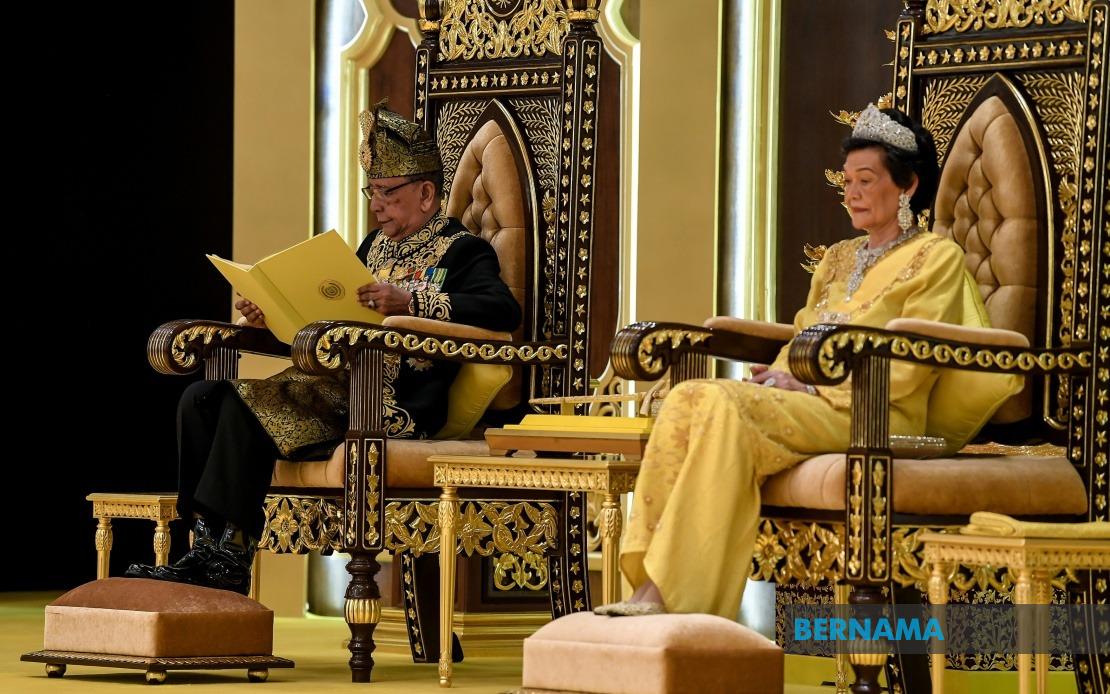
The Sultan of Kedah, Al Aminul Karim Sultan Sallehuddin Sultan Badlishah, has issued a forceful directive that Langkawi Island must chart its own developmental course, resisting the temptation to mirror the success formulas of regional rivals such as Phuket in Thailand or Bali in Indonesia. Speaking at his investiture ceremony on July 5 in Alor Setar, which marked his 84th birthday, the Sultan articulated a vision for the island that prioritises authenticity over imitation, a message that carries significant weight for policymakers across Kedah and at the national level who oversee the archipelago's future.
The Sultan's intervention comes at a pivotal moment for Langkawi's tourism sector, which generates substantial revenue for Kedah and contributes meaningfully to Malaysia's broader economic landscape. By explicitly warning against comparative development strategies, His Royal Highness appears to be responding to industry trends that often see emerging destinations attempting to replicate the infrastructure, marketing narratives, and commercial models of established competitors. This approach, while superficially logical, risks homogenising the region's tourism offerings and diluting the very qualities that make each destination compelling to discerning travellers seeking authentic experiences.
Central to the Sultan's position is the conviction that Langkawi possesses distinct competitive advantages rooted in its natural environment and cultural heritage. The island's limestone geology, pristine ecosystems, and the accumulated traditions of its communities represent irreplaceable assets that cannot be manufactured through conventional development strategies. Rather than investing primarily in replicating the resort infrastructure, nightlife districts, or mass-market attractions that characterise Phuket or Bali, the Sultan's remarks suggest a preference for development models that celebrate and sustainably monetise what makes Langkawi genuinely unique. This philosophical stance aligns with evolving global tourism trends favouring sustainable and experiential travel over conventional resort-based models.
The emphasis on preservation represents a critical counterweight to aggressive development pressures that typically accompany tourism expansion. Environmental degradation, loss of cultural authenticity, and social disruption are familiar consequences when island destinations prioritise rapid commercialisation without safeguarding their foundational character. By framing preservation as integral to long-term economic prosperity rather than as a constraint upon it, the Sultan provides political cover for conservation initiatives that might otherwise face resistance from development-oriented interests. This framing is particularly relevant for Malaysia, where balancing tourism revenue generation with environmental stewardship remains a persistent policy challenge.
The Sultan's declaration that he will not tolerate parties seeking to exploit situations through actions or statements damaging Langkawi's reputation suggests an awareness of reputational risks that can undermine tourism competitiveness. The island has previously navigated crises affecting its image, and the Sultan's statement serves as a clear warning to stakeholders that any conduct potentially harmful to the destination's standing will face royal disapproval. For investors, operators, and government agencies working in Langkawi's tourism ecosystem, this pronouncement establishes clear boundaries regarding acceptable behaviour and investment philosophy.
Beyond tourism development strategy, the Sultan raised the pressing matter of infrastructure delays, specifically the Sungai Kedah and Anak Bukit flood mitigation plan (RTB), which remains incomplete despite extended timelines. Flooding represents one of Malaysia's most consequential infrastructure and public safety challenges, affecting vulnerable populations and constraining economic development in flood-prone regions. The Sultan's frustration reflects legitimate concerns about the human cost of these delays, as residents in affected areas continue enduring cyclical inundation that disrupts livelihoods, damages property, and creates persistent uncertainty. The explicit royal pressure applied to this issue signals that senior leadership expects accelerated implementation.
The flood mitigation delays carry broader implications for Kedah's development trajectory and public confidence in infrastructure project execution. When high-priority safety projects experience prolonged delays, they undermine faith in government capacity while imposing tangible costs on ordinary citizens. The Sultan's intervention, delivered at a significant ceremonial occasion, effectively elevates flood mitigation from a routine infrastructure matter to one of pressing state importance. This rhetorical elevation can catalyse bureaucratic action and resource reallocation where administrative processes alone might not suffice.
The Sultan's remarks also reflect broader concerns about balancing multiple development imperatives in a state seeking to enhance its economic profile. Langkawi represents Kedah's primary tourism asset and a significant employment generator, while flood mitigation directly affects the welfare and security of the state's agricultural and settled populations. Successfully managing both imperatives requires sophisticated coordination between state and federal authorities, tourist development agencies, environmental regulators, and flood management specialists. The Sultan's dual emphasis on both tourism strategy and flood mitigation suggests his conviction that addressing these challenges simultaneously is essential to Kedah's comprehensive development.
For Malaysian policymakers more broadly, the Sultan's position on tourism development carries implications extending beyond Kedah's borders. As other states and the federal government continue formulating tourism policies, the intellectual framework the Sultan articulates—emphasising authentic identity over derivative imitation—offers a distinctive Malaysian alternative to conventional competitive positioning strategies. Malaysia's tourism sector already benefits from genuine differentiation rooted in cultural diversity, natural variety, and heritage assets; the Sultan's argument suggests these advantages should be deliberately cultivated rather than inadvertently surrendered through homogenising development patterns.
The practical challenge will lie in translating the Sultan's vision into concrete development policies and investment guidelines that influence actual decisions made by public and private sector actors. Tourism development involves multiple stakeholders with divergent commercial incentives, and generic guidance towards authenticity and sustainability, while politically compelling, requires operationalisation through specific regulatory frameworks, investment criteria, and project approval processes. The government agencies responsible for Langkawi's development will need to establish mechanisms ensuring that new projects genuinely reflect the Sultan's developmental philosophy rather than merely invoking it rhetorically while pursuing conventional commercial strategies.
The Sultan's 84th birthday investiture ceremony, attended by senior members of the Kedah royal household including the Sultanah, Raja Muda, and Tunku Mahkota, underscored the institutional weight behind his pronouncements. By embedding his remarks within formal state ceremonial contexts, the Sultan ensured they would receive appropriate attention and suggest expectations of accountability from relevant authorities. The presence of the entire senior royal household indicates collective royal concern regarding both Langkawi's development trajectory and Kedah's broader infrastructure challenges, amplifying the significance of his message beyond personal opinion to reflect institutional position.
Moving forward, monitoring implementation of the Sultan's implied directives will prove instructive for assessing whether royal guidance translates into substantive policy reorientation. Whether Langkawi's development authorities genuinely embrace distinctive identity-based strategies or continue pursuing imitative approaches will largely determine the island's long-term competitive positioning and social-environmental sustainability. Simultaneously, the pace at which flood mitigation projects advance will signal government responsiveness to royal pressure and public welfare imperatives. The Sultan's intervention essentially places both matters on the public record, establishing benchmarks against which administrative performance can be evaluated.

