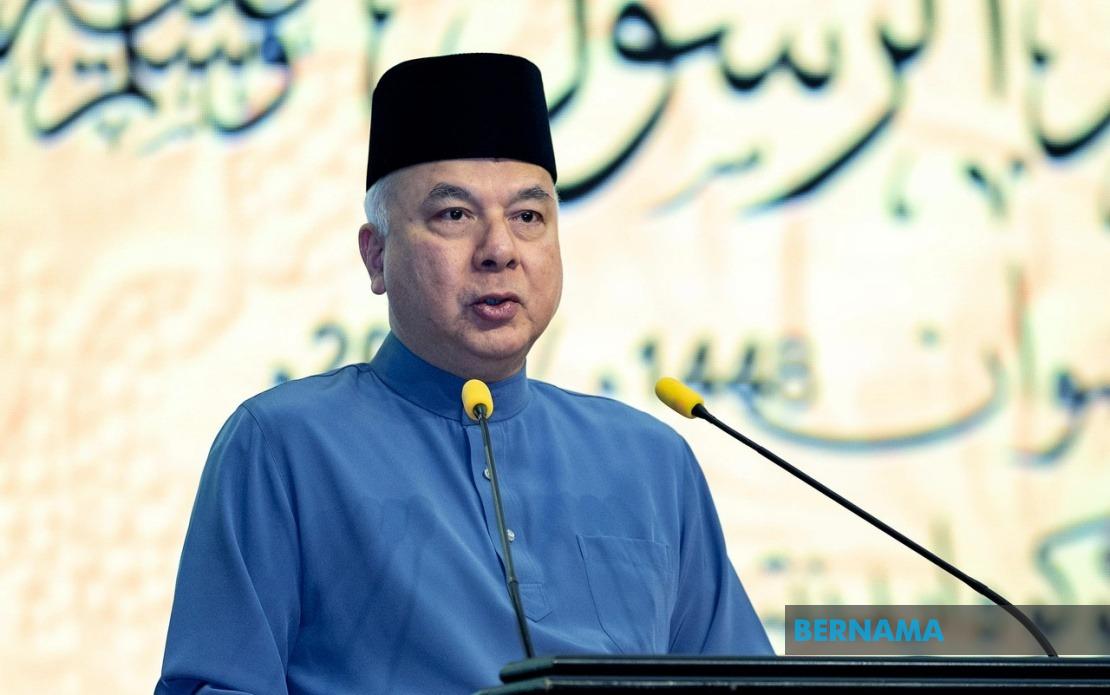
The Sultan of Perak, Sultan Nazrin Shah, has issued a stark assessment of the fractures undermining Islamic communities, pointing to an expanding array of dividing forces that threaten the cohesion of the ummah. Speaking during Perak's Maulidur Rasul observance in Ipoh, the Sultan identified political disagreements, theological school divisions, ethnic considerations and self-interest as principal obstacles to maintaining meaningful unity among Muslims. His intervention comes at a moment when Southeast Asian Islamic societies are grappling with intensifying polarisation across multiple fronts.
The Perak ruler emphasised that these sectarian and ideological fissures have been compounded by the pursuit of individual advantage—whether through accumulating wealth, securing elevated positions, wielding influence or attaining worldly comforts. When combined, these motivations have progressively eroded the foundational Islamic principle of brotherhood, creating a climate where transactional interests supersede collective wellbeing. This diagnosis suggests a structural problem extending beyond superficial disagreements into the core incentive structures shaping Muslim institutional behaviour and leadership priorities across the region.
Sultan Nazrin directed his most pointed remarks toward Muslim leaders, Islamic organisations and religious movements, urging them to abandon counterproductive disputes and diminish the intensity of political competition that diverts resources and attention from substantive community advancement. Rather than becoming entangled in zero-sum contests for authority and theological supremacy, these bodies should redirect their energies toward initiatives that demonstrably strengthen Islamic identity and foster tangible progress within Muslim societies. The Sultan's counsel reflects frustration with a pattern whereby organisational rivalries consume disproportionate time and capital.
Rather than offer purely critical commentary, the Perak Sultan acknowledged the constructive work underway across multiple Islamic domains, commending individuals and organisations advancing educational awareness despite the broader climate of dispute among political leaders and competing factions. This positive reinforcement illuminates pathways forward by highlighting concrete domains where Muslims have achieved notable progress. The Sultan singled out Islamic economics and finance as areas generating intellectual innovation and practical application, while also recognising the expanding halal industry as a vehicle for both commercial development and faith-based market positioning.
Beyond commerce, Sultan Nazrin identified digital dakwah and the revitalisation of family institutions as priority areas warranting expanded attention and resources. The invocation of digital platforms reflects contemporary realities—social media and online communication channels have become primary spaces where Islamic identity is negotiated, contested and disseminated. Similarly, strengthening family structures addresses the foundational social unit where Islamic values are transmitted across generations, directly counteracting the atomisation that undermines community cohesion. Both domains require strategic investment and coordinated implementation.
A complementary dimension of the Sultan's intervention addresses the existential threat posed by global cultural penetration. He articulated concerns that external influences flowing through social media, entertainment industries, consumer culture and modern lifestyle aspirations increasingly erode confidence in indigenous Islamic frameworks and practices. This concern resonates across Southeast Asia, where rapid digitalisation and economic integration have accelerated exposure to non-Islamic value systems and consumption patterns. The challenge extends beyond simple resistance to globalisation but encompasses the more nuanced task of selective engagement with modernity while preserving Islamic authenticity.
The Sultan advocated for sophisticated strategies that preserve modernisation's developmental benefits while protecting core Islamic principles and identity markers from dilution. This requires moving beyond defensive postures that reject progress outright, instead pursuing calibrated approaches enabling technological and economic advancement without sacrificing fundamental values. The formulation reflects sophisticated political analysis recognising that contemporary Muslims cannot simply retreat from modernity but must rather develop frameworks allowing simultaneous participation in and critical reflection upon global currents.
The timing of Sultan Nazrin's address holds particular significance for Malaysia and the broader Southeast Asian context. Political competition among Muslim-majority societies has intensified considerably, with rival movements and parties increasingly mobilising religious identity and Islamic authenticity as competitive assets. This politicisation threatens to reduce Islam to instrumental considerations, potentially devaluing spiritual substance and communal welfare in pursuit of electoral advantage. The Sultan's intervention, delivered from Malaysia's hereditary monarchy, carries weight precisely because it originates outside partisan political structures, lending moral authority to calls for depoliticisation.
The royal gathering itself underscored the breadth of establishment support for this messaging, with Perak's Raja Permaisuri Tuanku Zara Salim, the Raja Muda and other royal dignitaries in attendance alongside Perak Menteri Besar Datuk Seri Saarani Mohamad. This collective presence signalled institutional endorsement of the Sultan's diagnosis and recommendations. The inclusion of political leadership alongside traditional rulers suggested a deliberate effort to forge consensus across Malaysia's governmental structures regarding the need for renewed emphasis on Islamic institutional coherence and collective identity work.
For Malaysian policymakers and Islamic institutional leaders, the Sultan's remarks establish clear benchmarks for assessing organisational priorities over coming months and years. Implementation of expanded waqf frameworks, upgraded Islamic financial infrastructure, and family-strengthening initiatives offer measurable domains where progress can be documented. Simultaneously, the implicit critique of political rivalry calls into question whether competitive partisanship currently consuming Muslim institutional energy genuinely serves broader community interests. Sultan Nazrin's intervention invites fundamental recalibration of how Malaysian Muslims allocate limited organisational resources and leadership attention between narrow factional interests and broader communal flourishing.

