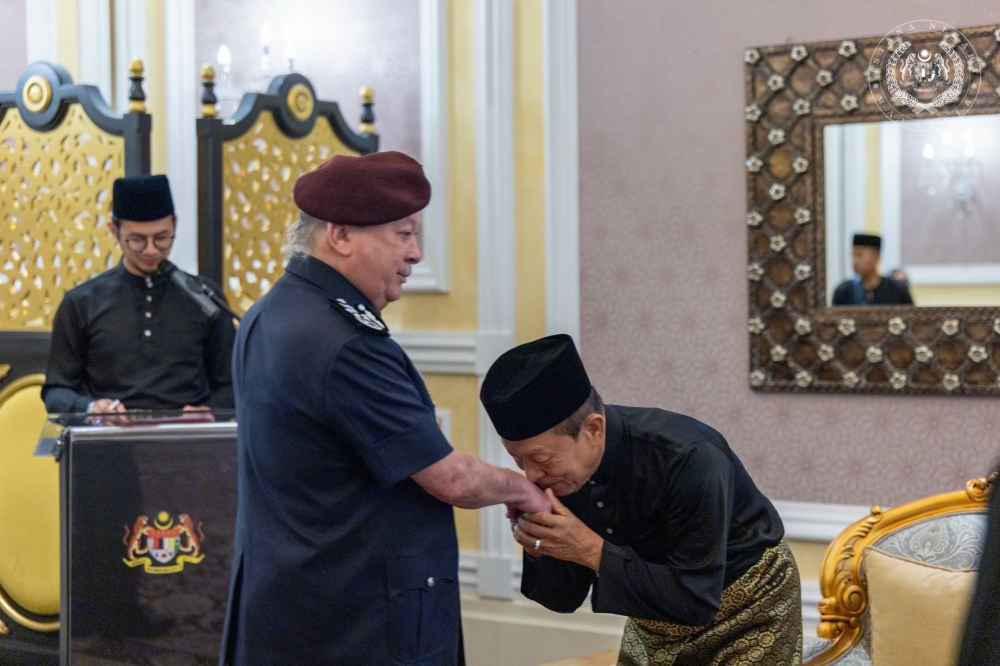
His Majesty Sultan Ibrahim, King of Malaysia, received Malaysian Anti-Corruption Commission Chief Commissioner Abdul Halim Mustapha in a formal audience on Monday at the Istana Negara, marking a significant engagement between the monarchy and the nation's premier anti-corruption body. The meeting underscores the constitutional monarchy's interest in overseeing institutional performance and accountability mechanisms that are fundamental to Malaysia's governance framework.
According to official palace sources, the briefing covered the MACC's latest operational achievements, ongoing investigations, and institutional developments. Such royal audiences with heads of major government agencies serve as important protocol moments that reinforce the symbolic role of the monarchy as a guardian of institutional integrity and democratic governance. The timing of this engagement reflects the broader national conversation about combating corruption, which remains a persistent challenge across Malaysia's public and private sectors.
The MACC, established under the Malaysian Anti-Corruption Commission Act 2009, operates as an independent statutory body tasked with investigating corruption offences involving public officials and private sector entities. Its chief commissioner reports directly to Parliament and maintains operational independence from the executive branch, though the agency remains accountable to the King as the head of state. Regular briefings to the palace represent one mechanism through which institutional accountability is maintained at the highest constitutional level.
Malaysia's anti-corruption efforts have received increased scrutiny in recent years as the nation works to improve its standing on international transparency indices. The Corruption Perceptions Index and similar global assessments have highlighted areas where institutional strengthening remains necessary. The MACC's visibility and perceived effectiveness in prosecuting high-profile cases directly influence public confidence in the justice system and governance structures.
Abdul Halim Mustapha assumed office as chief commissioner with a mandate to modernise the commission's investigative capabilities and expand its reach into emerging areas of financial crime and digital corruption. The agency has increasingly focused on cases involving money laundering, misappropriation of public funds, and conflicts of interest among government contractors and officials. His tenure has coincided with several high-profile investigations that have garnered significant media attention and public interest.
The royal audience also reflects the constitutional framework in which the MACC operates. As an agency whose leadership is appointed by the King on advice of the Prime Minister, the institution maintains formal links to the palace that distinguish it from ordinary government departments. These connections, rooted in Malaysia's constitutional monarchy system, ensure that anti-corruption efforts maintain a degree of symbolic legitimacy and independence from partisan political pressures.
For Malaysian stakeholders and international observers monitoring the country's governance trajectory, such briefings provide indirect signals about the monarchy's engagement with institutional performance. The frequency and nature of these audiences can indicate the level of royal interest in particular policy domains. In recent years, the Malaysian monarchy has demonstrated an active interest in governance standards, institutional effectiveness, and public accountability across various sectors.
The MACC faces considerable operational challenges that extend beyond traditional corruption investigations. The commission must navigate complex cases involving transnational financial flows, cryptocurrency transactions, and sophisticated money laundering schemes that cross multiple jurisdictions. Training personnel to handle these technical investigations while maintaining prosecutorial rigour demands sustained institutional investment and leadership attention.
Regionally, Malaysia's anti-corruption efforts are viewed through the lens of broader Southeast Asian governance trends. The region's struggle with institutional corruption directly affects foreign investment confidence, economic competitiveness, and the legitimacy of national institutions. Countries that demonstrate credible commitment to investigation and prosecution of high-level corruption typically enjoy stronger international standing and investor confidence.
The briefing between the King and the MACC chief commissioner also carries implications for institutional morale within the anti-corruption body. Public recognition of the MACC's work through royal engagement can enhance the agency's prestige and the sense of mission among its personnel, particularly investigators and prosecutors working on sensitive cases that may face political or commercial pressure.
Looking forward, the MACC will continue grappling with questions about resource allocation, coordination with law enforcement agencies, and the balance between investigating historical cases and addressing emerging corruption threats. The commission's effectiveness ultimately depends on sustained political will from government, adequate budgetary support, and protection from external interference in its independence.
The audience also reflects the monarchy's broader constitutional role in overseeing government institutions. While the King reigns but does not directly govern, such engagements demonstrate the active interest of the constitutional head of state in ensuring that key institutions fulfil their mandates effectively and maintain public trust.

