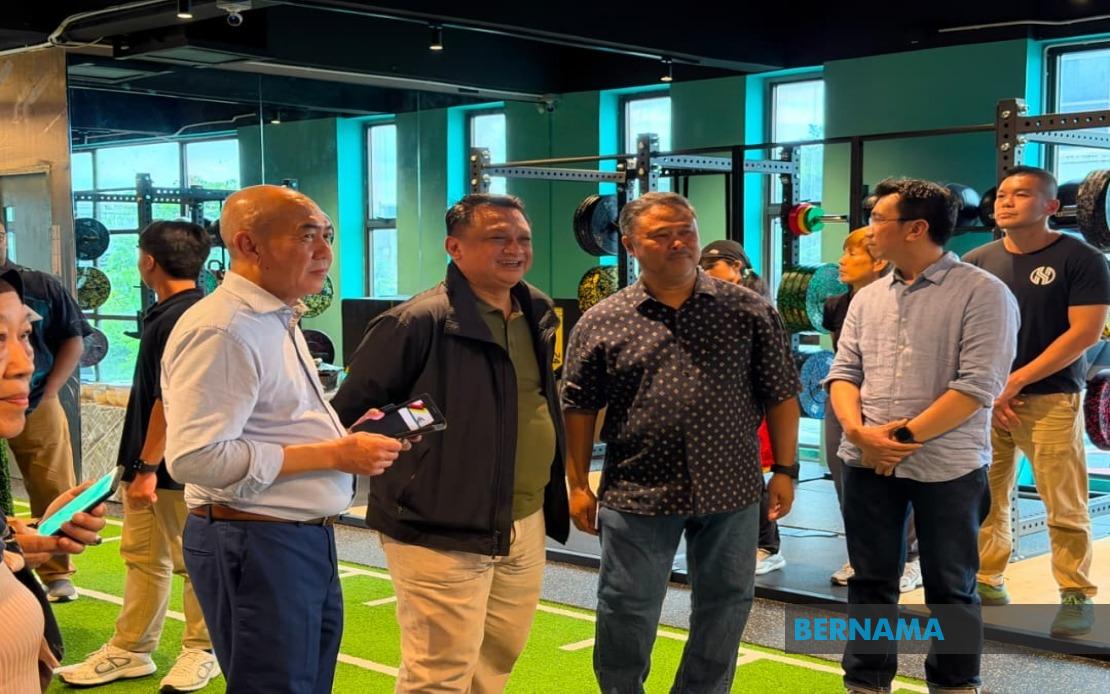
Awareness of muscle-strengthening exercises remains disappointingly low among Malaysia's rapidly ageing population, despite compelling evidence that such training significantly reduces fall-related injuries and enhances overall quality of life for senior citizens. This gap in public knowledge represents a critical health concern in a nation where demographic shifts are dramatically increasing the number of citizens over 60, with projections showing accelerating growth over the next decade.
Dr Adibah Ali, who operates FitLab gymnasium in Kuching, has emerged as an advocate for preventive fitness among the elderly, drawing on her extensive experience as a consultant breast and endocrine surgeon. Her two decades of hospital practice exposed her to a sobering reality: the wards regularly filled with elderly patients recovering from serious fractures and injuries sustained through falls. These incidents typically trigger cascading health complications, extended hospitalisation, and often irreversible declines in independence and mobility. Rather than accept this pattern as inevitable, Dr Adibah decided to leverage her medical expertise and fitness facility to address the root cause.
The fundamental misconception surrounding strength training is that it requires participants to pursue bodybuilding aesthetics or extreme fitness goals. Dr Adibah emphasises that the actual objective is far more practical and health-centred. Structured resistance exercises work to fortify skeletal density, stabilise joints, and most critically, restore the neuromuscular coordination that naturally deteriorates with age. These improvements translate directly into enhanced balance, steadier gaits, and greater confidence navigating everyday environments. For elderly individuals, the difference between adequate strength and weakness often determines whether they can independently manage stairs, carry groceries, bathe themselves, or move safely within their homes without constant fear of falling.
The physiological benefits of consistent strength training in older adults extend beyond fracture prevention. Muscle tissue itself serves as a metabolic reservoir and endocrine organ, influencing blood sugar regulation, immune function, and mental health. When seniors engage in progressive resistance work, they often report improved sleep quality, enhanced cognitive function, and greater emotional resilience. These psychological and neurological gains prove equally valuable as the physical improvements, fostering the confidence and motivation necessary for sustained lifestyle change.
Recognising these benefits, FitLab has committed to developing specialised exercise classes tailored specifically to the physiological capabilities and limitations of elderly participants. This focused approach differs markedly from generic fitness programming, as instructors must understand age-related conditions such as arthritis, osteoporosis, balance disorders, and cardiovascular constraints. By designing programmes around these realities rather than ignoring them, facilities can safely introduce seniors to strengthening protocols that would have seemed intimidating or inaccessible in standard gym environments.
Partnership between private fitness enterprises and government-supported senior citizen centres represents an important strategic development. FitLab's planned collaboration with Pusat Aktiviti Warga Emas reflects recognition that sustainable behaviour change requires institutional support networks. Senior centres already command the trust and regular participation of target demographics, while private gyms bring specialised equipment, professionally trained instructors, and innovative programming. Such alliances multiply reach and credibility far beyond what either sector could accomplish independently.
Sarawak's Deputy Minister of Youth, Sports and Entrepreneur Development, Datuk Gerald Rentap Jabu, contextualised this initiative within broader demographic trends affecting the state. Citizens aged 50 and above now constitute an expanding proportion of Sarawak's population, yet targeted health and wellness programming for this group remains limited. The deputy minister specifically highlighted the value of integrating cognitive stimulation alongside physical activity, noting that mentally demanding pursuits such as chess reinforce neurological health while building community connections. This holistic approach recognises that elderly wellbeing encompasses physical robustness, mental acuity, and social engagement simultaneously.
The royal visit by the Raja Muda of Perlis, Tuanku Syed Faizuddin Putra Jamalullail, alongside the Raja Puan Muda and their son, signifies high-level institutional recognition of this health priority. The extended two-hour gymnasium visit reflected serious engagement with FitLab's operations and mission rather than ceremonial attendance. Such visible backing from traditional leadership reinforces the legitimacy of strength training among demographics that may have harboured outdated assumptions about exercise being inappropriate for their age group.
For Malaysian policymakers, the implications are substantial. Fall-related injuries among the elderly impose significant burdens on hospital resources, family caregivers, and government health budgets. A shift toward preventive strength training could substantially reduce these downstream costs while simultaneously improving quality of life for millions of seniors. The evidence base supporting resistance exercise in older populations remains overwhelming, yet public health messaging in Malaysia has not adequately translated this scientific consensus into community action.
The challenge extends beyond simple information dissemination. Cultural attitudes toward ageing, ingrained beliefs about appropriate physical activity for older adults, and perceived barriers including cost, accessibility, and social stigma all create resistance to behaviour change. Overcoming these obstacles requires sustained multi-stakeholder effort combining government policy support, healthcare provider advocacy, community leader engagement, and grassroots facility expansion. Dr Adibah's personal commitment and FitLab's programming innovations represent important catalysts, yet transforming national geriatric health outcomes demands systemic interventions reaching far beyond single gyms or individual practitioners.
As Malaysia's elderly population expands, the distinction between societies that invest proactively in senior health and those that manage reactive crisis care becomes increasingly consequential. Strength training represents a proven, evidence-based, cost-effective intervention that older adults themselves can control and benefit from immediately. By normalising such activity and creating accessible pathways for participation, Malaysia can reshape expectations around ageing and enable millions of citizens to maintain independence, dignity, and quality of life throughout their later years.

