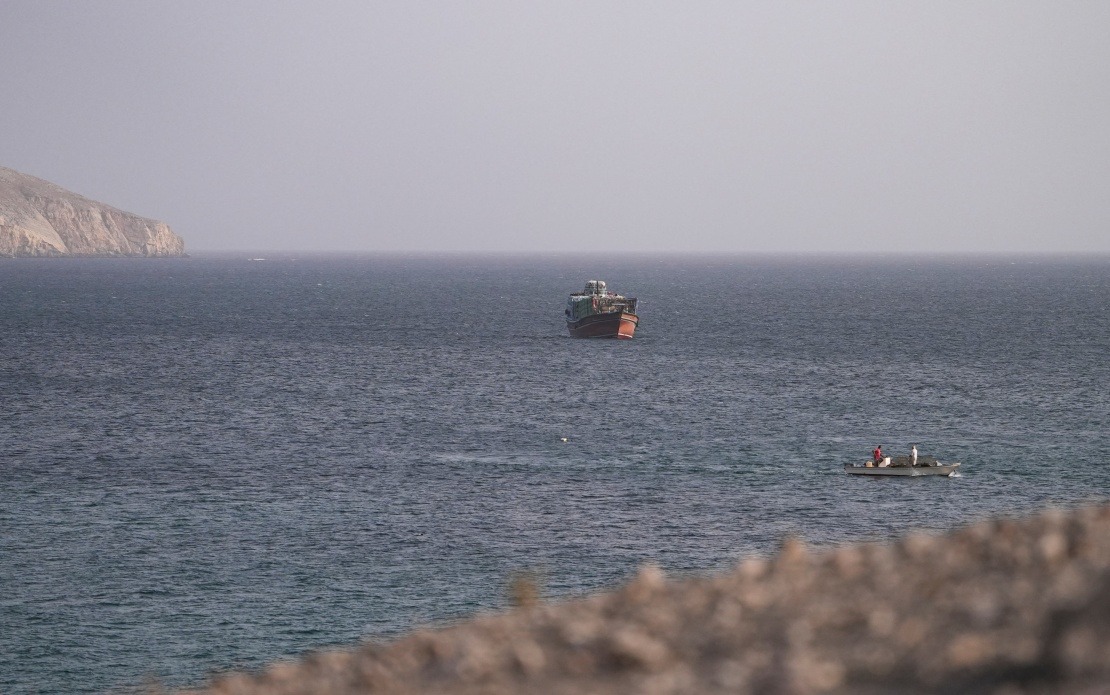
Iran has rejected any notion that a return to normalcy in the Strait of Hormuz is possible or intended, according to Foreign Ministry Spokesperson Esmaeil Baqaei, who offered a comprehensive reassessment of Tehran's maritime policy following the recent ceasefire. Speaking during a televised address on Sunday evening, Baqaei emphasized that ongoing bilateral discussions with Oman should not be misinterpreted as a capitulation to pre-war arrangements, signalling that Iran intends to fundamentally reshape how this critical waterway is managed and policed.
The strategic importance of the Strait of Hormuz cannot be overstated for Malaysia and the broader Southeast Asian region. Through this narrow passage between Iran and Oman flows approximately one-third of the world's seaborne traded oil and liquefied natural gas, making any disruption to maritime traffic an immediate concern for energy-dependent economies throughout Asia. Recent tensions have exposed the fragility of global energy supplies and underscored why regional stability in the Persian Gulf remains paramount for distant trading nations.
Baqaei clarified that protracted negotiations between Tehran and Muscat are grounded in a memorandum of understanding concluded at the cessation of hostilities on April 8. Both nations, he noted, bear mutual responsibility as coastal states to establish frameworks ensuring secure maritime navigation, though Iran has emphasized that such cooperation must preserve its sovereign rights and security interests. The initial rounds of talks commenced immediately after the ceasefire, with Foreign Minister Abbas Araghchi prioritizing Oman for his first official journey abroad, demonstrating the diplomatic weight attached to these maritime discussions.
A particularly revealing aspect of Baqaei's statement concerns the envisioned reconfiguration of shipping lanes within the strait. Rather than reverting to either existing northern or southern routes, Iran and Oman intend to jointly designate an entirely new maritime corridor, a development that signals fundamental restructuring rather than restoration. This approach suggests that Iran seeks to operationalize previously established security protocols and establish mechanisms preventing the strait's weaponization by external powers.
The Iranian spokesperson highlighted a critical juncture during the initial implementation phase of the ceasefire agreement. During the first three weeks following the memorandum, the northern shipping route operated without incident and maintained consistent traffic flows, demonstrating that alternative arrangements were technically feasible and commercially viable. However, before the prescribed 30-day period for restoring pre-war maritime conditions could conclude, what Baqaei characterized as "an act of aggression against Iran" disrupted this nascent stability, prompting Tehran to reassess its willingness to return to previous arrangements.
This reference carries significant implications for Malaysian shipping interests and Southeast Asian energy security. Any party engaged in military or economic activity against Iran, whether through direct action or provision of military facilities and logistical support, risks destabilizing the strait and triggering retaliatory measures that could disrupt traffic for neutral maritime powers. Baqaei made explicit that countries providing bases or support to potential aggressors would be considered complicit and liable for consequences, a warning directed toward external powers but with clear spillover effects for regional commerce.
Regarding the broader geopolitical context, Baqaei dismissed recent statements by United States officials, including claims that Iran had sought to halt attacks, as propagandistic narratives contradicted by documented history. He characterized such pronouncements as psychological and media warfare, noting that threats have consistently failed to alter Iranian strategic calculations. This posture reflects Tehran's conviction that its position rests on defensible legal grounds and national interest, rather than capitulation to external pressure or diplomatic coercion.
The spokesperson emphasized that negotiations with Oman remain strictly bilateral and do not involve third-party interests, seemingly deflecting concerns that new arrangements might favour particular external powers or international coalitions. However, this assertion simultaneously acknowledges the reality that the strait's future management cannot exist in isolation from broader regional security dynamics and the postures adopted by global powers, particularly the United States.
For Malaysia and Southeast Asia's maritime community, the trajectory of Hormuz negotiations carries profound commercial consequences. Any framework that provides predictable, secure passage would benefit regional economies dependent on energy imports and reliant on uninterrupted shipping lanes. Conversely, escalating tensions between Iran and external actors could precipitate further disruptions, necessitating increased insurance costs, longer voyage routes, and enhanced vulnerability to supply shocks.
Baqaei's public articulation of Iran's red lines appears designed to preemptively deter military escalation while simultaneously signalling flexibility on maritime arrangements with Oman specifically. The distinction between maintaining firm security postures and demonstrating diplomatic engagement toward neighbouring states reflects a calculated strategy of credible deterrence coupled with pragmatic regional cooperation. This nuanced positioning suggests that while Iran will not accept returning to pre-conflict shipping arrangements, the door remains open for negotiations centered on mutual security interests rather than external dictates.
The diplomatic contacts Baqaei mentioned receiving from Bulgaria, the United Kingdom, and Ukraine over preceding hours suggest international attention to Iran's post-ceasefire trajectory and broader concerns about potential military escalation. These communications may represent efforts to prevent renewed hostilities or to ensure that external powers maintain diplomatic channels for de-escalation if circumstances deteriorate.
Looking ahead, the ultimate configuration of Hormuz traffic patterns will likely reflect the evolving balance between Iran's determination to preserve sovereign control and the international community's interest in maintaining reliable energy supplies. For Malaysian policymakers and shipping industries, monitoring these negotiations closely remains essential, as any significant disruption to this critical waterway would reverberate immediately through Southeast Asian ports and energy markets, affecting everything from fuel prices to manufacturing competitiveness throughout the region.

