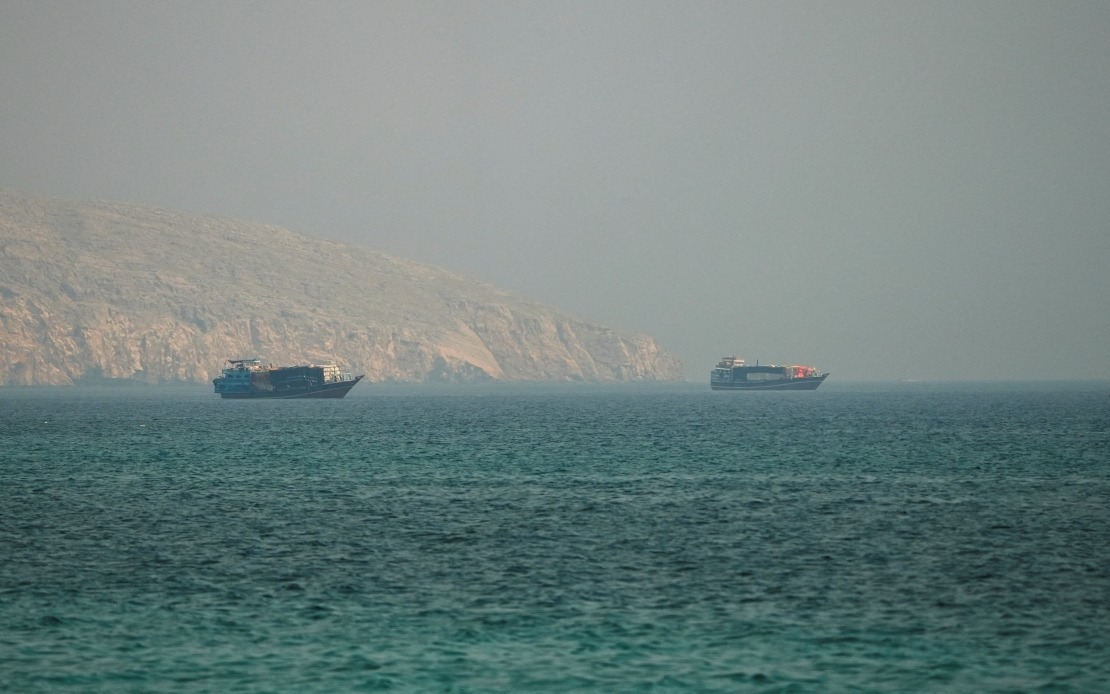
One of the world's most critical shipping corridors remains under heightened alert as the UK Maritime Trade Operations issued a stark warning about conditions in the Strait of Hormuz. The strategic waterway, through which roughly one-fifth of global oil passes annually, faces what authorities characterise as a "severe" threat to maritime traffic following a series of unprovoked attacks on merchant vessels. This assessment, delivered through the Joint Maritime Information Centre, underscores the precarious situation facing international shipping in a region already strained by geopolitical tensions between major powers.
The deteriorating security situation in the Strait of Hormuz reflects the broader military confrontation unfolding between the United States and Iran, with commercial shipping caught in the crossfire. Recent incidents targeting merchant vessels have prompted Washington to conduct repeated military strikes against Iranian military and infrastructure installations, which officials justify as proportionate responses to threats against international commerce. The operations have inflamed rather than defused the situation, creating a cycle of escalation that leaves shipping companies and mariners operating in the waterway facing genuine danger.
Iran's response has been characteristically defiant. Tehran has conducted drone attacks targeting US military facilities stationed throughout the Gulf region and in Jordan, demonstrating its willingness to strike American interests across a wider geographical area. The Iranian government maintains a hardline position regarding transit through the Strait, insisting that all vessels must first coordinate with Iranian authorities and adhere strictly to Iranian-designated routes. This requirement effectively grants Tehran leverage over international maritime traffic and creates additional compliance burdens for shipping operators already navigating heightened security risks.
For Malaysian and Southeast Asian shipping interests, the situation carries immediate practical implications. The region's maritime trade relies substantially on the Strait of Hormuz as a conduit for oil and liquefied natural gas imports, making the security situation a matter of direct economic concern. Any prolonged disruption to shipping flows through the waterway would reverberate through Asian energy markets, affecting fuel costs and industrial competitiveness across the region. Malaysian ports and shipping companies operating in the area must now factor in heightened insurance costs, longer transits times due to additional security protocols, and the possibility of cargo rerouting if conditions deteriorate further.
The UK Maritime Trade Operations has attempted to provide reassurance by confirming that southern routes through the Strait remain available and usable by all maritime traffic. The expansion of designated shipping corridors represents an effort to minimise exposure to danger zones while maintaining the flow of international commerce. However, such measures offer only partial mitigation against determined hostile actors. Mariners transiting the area are now required to maintain heightened vigilance for potential radio contact from naval forces operating in the region and must remain alert to designated mine-danger zones, adding layers of complexity to navigation through waters already laden with geopolitical risk.
The underlying driver of this escalation stems from the tense military dynamic between Washington and Tehran. The United States has positioned significant naval assets in the Persian Gulf and maintains a strong military presence throughout the region. Iran, viewing these deployments as threatening its interests and autonomy, has adopted asymmetric tactics including drone strikes and attacks on shipping to impose costs on American operations and its perceived allies. This dynamic creates a security dilemma where each side's defensive or retaliatory measures are interpreted by the other as provocative, perpetuating the cycle of escalation.
Attempts at diplomatic resolution have so far yielded limited success. Last month, Iran and the United States signed a memorandum of understanding brokered through Pakistani mediation, ostensibly aimed at halting military operations and establishing a framework for lasting peace. Yet the ink barely dry on this agreement, both sides have continued hostile activities, suggesting deep mutual mistrust and unresolved underlying grievances. The persistence of military hostilities despite diplomatic overtures raises serious questions about whether either party genuinely intends to de-escalate or whether the memorandum represents merely a tactical pause in broader competition.
The strategic significance of the Strait of Hormuz cannot be overstated. As the world's most important oil chokepoint and a vital passage for liquefied natural gas exports, disruptions here impact global energy prices and supply security far beyond the immediate region. For Southeast Asia, which imports substantial quantities of energy from the Middle East and sends significant manufactured goods through the Strait toward European and African markets, the security situation directly affects economic stability and growth prospects. Shipping companies operating in the region face the difficult calculation of whether to maintain operations amid heightened risk or reroute cargoes at substantially higher cost.
The expanded southern route highlighted in the UKMTO advisory represents a practical response to known danger areas, but it cannot eliminate the fundamental risks posed by the geopolitical environment. Naval forces now routinely monitor the waterway, providing some deterrent effect against certain types of attacks, yet the presence of multiple military navies also creates the potential for miscalculation or unintended conflict escalation. The regulatory environment has become more complex, with Iranian insistence on coordination protocols adding bureaucratic friction to an already tense situation.
For regional stakeholders including Malaysia, the priority must be advocating for sustained diplomatic efforts to reduce tensions and prevent further military escalation. The stakes extend beyond the immediate commercial shipping industry to broader economic growth and regional stability. Southeast Asian nations, which depend on unimpeded maritime access for prosperity, have a vested interest in promoting dialogue between the United States and Iran and encouraging both parties to view de-escalation as mutually beneficial. The current trajectory, where military actions generate counteractions in an expanding cycle, ultimately serves no party's legitimate interests and threatens the international commerce upon which global economic health depends.

