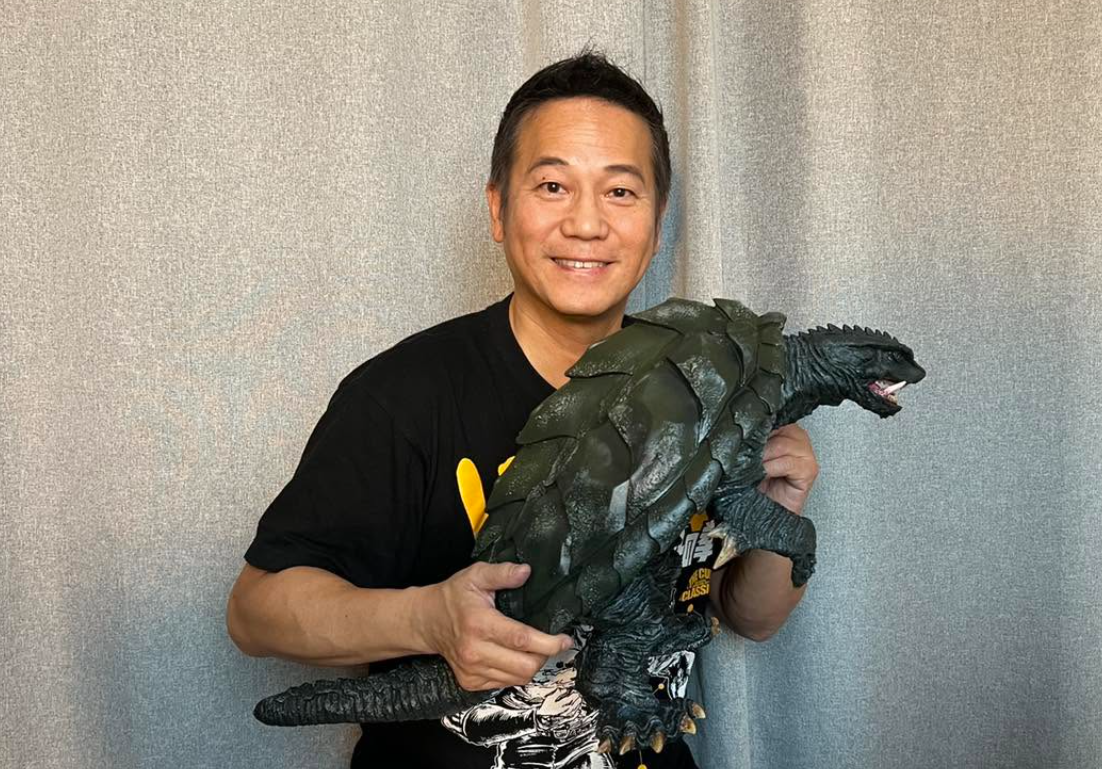
Hong Kong actor Stephen Au and his wife Phyllis Man have settled into life in Vancouver, Canada, over the past four years, and the couple—married since 1997—have emerged from the experience convinced they made the right decision in leaving Asia's most intense entertainment hub. In a candid interview shared on a web programme, both spoke positively about their relocation and how thoroughly they have integrated into their adopted community, presenting a counterpoint to the narrative that departing Hong Kong necessarily means severing one's roots or abandoning professional ambitions.
At 63 years old, Au attributes much of his contentment to a fundamental shift in daily rhythms. The pace of life in Vancouver has allowed him to escape the perpetual cycle of social obligations and industry networking that defined his decades in Hong Kong's entertainment world. He explained that basic courtesy and respect form the foundation of pleasant interactions in Canada, reducing the friction that can accumulate when living in denser, more competitive environments. This observation hints at a deeper cultural adjustment—not necessarily a rejection of Hong Kong values, but rather an appreciation for the breathing room that North American suburban life provides to those accustomed to working at maximum intensity.
The creative dividend from this lifestyle change has proven tangible and measurable. Au has authored five complete books during his four years in British Columbia, a productivity rate that would have been virtually impossible during his busy acting career in Hong Kong. This renaissance of literary output suggests that the actor's creative energies, previously channelled entirely into performance and public-facing work, have found new outlets when freed from the constant demands of the entertainment industry calendar. For many professionals fleeing high-pressure Asian markets, this pattern of redirected creativity represents one of the genuine psychological benefits of relocation.
An unexpected beneficiary of Au's transition has been a decades-old hobby that had languished in limbo. While living in Hong Kong, he accumulated an extensive collection of model kits that remained sealed and untouched for nearly two decades, victims of his hectic schedule and the simple lack of available hours. Only upon arriving in Vancouver did he finally possess both the time and mental space to unpack these items and engage with the meticulous, meditative process of assembly. Au described the experience with evident enthusiasm, noting that he constructs models from foundational materials including foam boards and clay, transforming the hobby from passive collecting into active, hands-on creation. This detail encapsulates a broader truth about lifestyle migration: sometimes the greatest rewards come not from new discoveries but from finally pursuing interests that circumstances had previously made impossible.
Despite embracing a considerably less frenetic existence, Au has consciously rejected full retirement from the entertainment sector. Instead, he has deliberately repositioned himself within the theatre world, shifting away from film and television toward stage productions that operate according to different creative rhythms and timelines. This strategic repositioning allows him to remain professionally engaged without surrendering the lifestyle improvements that prompted his initial departure. The choice reflects a nuanced understanding that stepping back from one's primary career need not mean stepping away entirely.
The production timelines in Vancouver have taught Au valuable lessons about process versus outcome. A theatrical project requiring merely two months of intensive preparation in Hong Kong's fast-moving ecosystem can demand four months of gradual refinement in the Canadian context. Rather than viewing this extended timeline as inefficient or frustrating, Au has come to appreciate what he characterises as the simplicity and genuine passion of his collaborators. This represents a significant reframing of productivity—measuring success not by speed of execution but by depth of creative exploration and authenticity of artistic relationships.
The cultural dimension of Au's theatrical work has emerged as an unexpected source of profound satisfaction. By bringing Hong Kong cultural content and artistic traditions to audiences in North America, Au has discovered a sense of purpose that transcends personal comfort or financial reward. This mission carries particular resonance in an era when cultural exchange often flows primarily in one direction, from Western centers outward. For Au, serving as a cultural ambassador while simultaneously enjoying the benefits of a more sustainable lifestyle represents a form of professional fulfilment that might have eluded him had he remained trapped in Hong Kong's unforgiving showbiz machinery.
The trajectory of Stephen Au's life in Canada also carries broader implications for understanding migration patterns among Asian entertainment professionals and other knowledge workers. His experience challenges the assumption that leaving one's home country necessarily entails abandoning one's profession or cultural identity. Instead, it suggests that physical relocation can enable a form of career reorientation that ultimately proves more sustainable and creatively rewarding than remaining within established professional hierarchies, no matter how prestigious those hierarchies may be. For Malaysian expatriates and those considering similar moves within Southeast Asia and beyond, Au's narrative offers a compelling case study in how strategic life changes can unlock dormant creative potential while simultaneously improving overall wellbeing.

