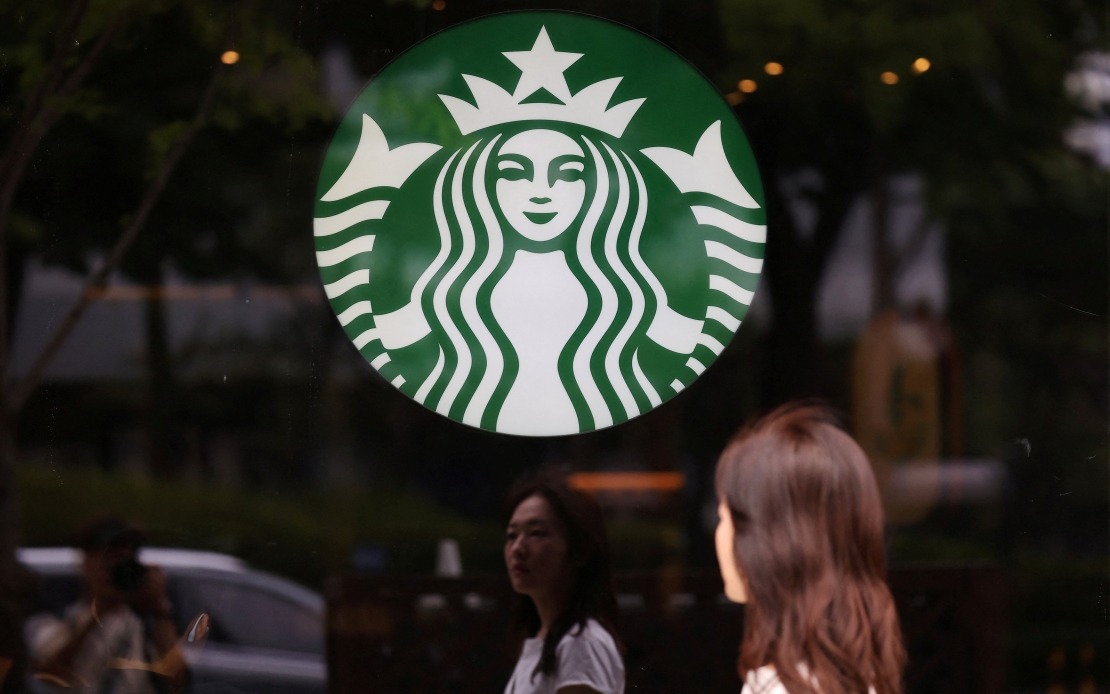
Starbucks' South Korean franchisee took the dramatic step of closing all outlets across the country on Monday to conduct mandatory historical training for staff, a response to an advertising controversy that exposed widespread public sensitivity around one of the nation's darkest chapters. The wholesale closure of more than 2,000 cafés in the afternoon represented a decisive effort by the operator to contain damage and demonstrate accountability after days of mounting social media outrage and calls for consumer boycotts.
Shinsegae, the Korean conglomerate holding the licence to operate Starbucks outlets throughout the country, had launched a promotional campaign last month centring on a stainless steel thermos cup branded as the "SS Tank". The company then designated May 18 as "Tank Day", seemingly intended to celebrate the product and drive sales during the spring season. However, the timing and marketing terminology struck a profound nerve among the Korean public, igniting a firestorm that forced the company to rapidly retreat from the entire initiative within hours of its announcement.
The source of the public fury lay in historical memory. On May 18, 1980, South Korea's military government carried out a brutal suppression of a pro-democracy uprising in the southwestern city of Gwangju, deploying tanks and armed forces against civilian protesters. The crackdown resulted in hundreds of deaths and remains a defining tragedy in modern Korean history, studied in schools and commemorated annually as a national day of remembrance. By connecting the word "tank" to a commercial product and declaring a "Tank Day" on the very anniversary of this military violence, Shinsegae had inadvertently—or so it claimed—created an association that many Koreans perceived as deeply offensive and insensitive to victims and their families.
The controversy extended beyond simple poor timing. Critics also highlighted the "SS" abbreviation used for the thermos cup, noting that while the company maintained it stood for "stainless steel", the same letters carry historical baggage as the designation for Adolf Hitler's paramilitary organisation responsible for Nazi atrocities. Though the SS controversy appeared secondary to the Gwangju connection in the public discourse, it compounded perceptions of tone-deaf corporate messaging and raised questions about the oversight processes within Shinsegae's marketing division.
The political establishment did not remain silent. President Lee Jae Myung took to social media platform X to express his displeasure, posting that he was "furious at the inhumane behaviour of such businesspeople". His intervention underscored the political salience of the Gwangju massacre in South Korean public consciousness and signalled that corporate insensitivity toward this historical trauma carried consequences beyond consumer sentiment—it had become a matter of national dignity and presidential concern.
Shinsegae moved swiftly to contain the fallout. The company issued a formal apology and dismissed the executive deemed responsible for approving and launching the campaign. An internal investigation followed, with the company issuing statements asserting that no deliberate intention existed to demean or disrespect the victims of the democracy movement. Yet these conventional corporate crisis-management steps proved insufficient to fully satisfy public concern, prompting the decision to conduct companywide historical education for all Starbucks employees across the country.
The mandatory training represents an unusual corporate response, signalling that Shinsegae recognised the need to address a deeper knowledge gap within its organisation. By requiring all frontline and support staff to participate in a structured lesson on South Korean history—presumably covering the Gwangju uprising and its significance—the company attempted to demonstrate genuine commitment to cultural competency and historical awareness among its workforce. The afternoon closures meant forgoing revenue to prioritise this educational initiative, a financial sacrifice intended to send a message of seriousness to consumers and the broader public.
Meanwhile, Seoul police initiated their own investigation into the circumstances surrounding the campaign's development and approval. The police involvement elevated the matter beyond corporate reputation management, suggesting that authorities viewed the incident as potentially involving negligence or other conduct warranting official scrutiny. Whether any charges or formal findings would emerge remained unclear, but the investigation itself reflected the gravity with which the incident was being treated across South Korean society.
The episode illuminates the particular sensitivities that multinational corporations must navigate when operating in markets with recent traumatic histories. For international brands like Starbucks, relying on local franchisees for market operations, the incident raises questions about quality control in marketing and advertising practices, particularly regarding historical awareness and cultural appropriateness. Shinsegae's experience suggests that even large, established conglomerates can misjudge how consumer bases interpret symbolic messaging, especially when such messaging intersects with nationally significant historical events.
For Southeast Asian readers, the Starbucks Korea controversy offers relevant lessons. Several countries in the region likewise possess complex modern histories involving military interventions, civil unrest, or political trauma that remain sensitive topics in public consciousness. Multinational corporations and local operators must exercise heightened caution when designing campaigns to ensure that marketing terminology, product naming, or promotional dates do not inadvertently invoke these historical wounds. The incident demonstrates that social media enables rapid public mobilisation around perceived insensitivity, and that corporate apologies alone may not suffice without concrete educational and accountability measures.
The closure of South Korea's entire Starbucks network for staff training stands as a notable instance of corporate self-correction in response to public outrage. Whether such measures will fully restore consumer confidence in the brand remains to be seen, but Shinsegae's decision to prioritise historical education over short-term sales suggests recognition that rebuilding trust in markets with deep historical awareness requires more than conventional damage control. The incident serves as a cautionary tale for global businesses operating through local franchisees, underscoring the importance of cultural and historical literacy in contemporary marketing practice.