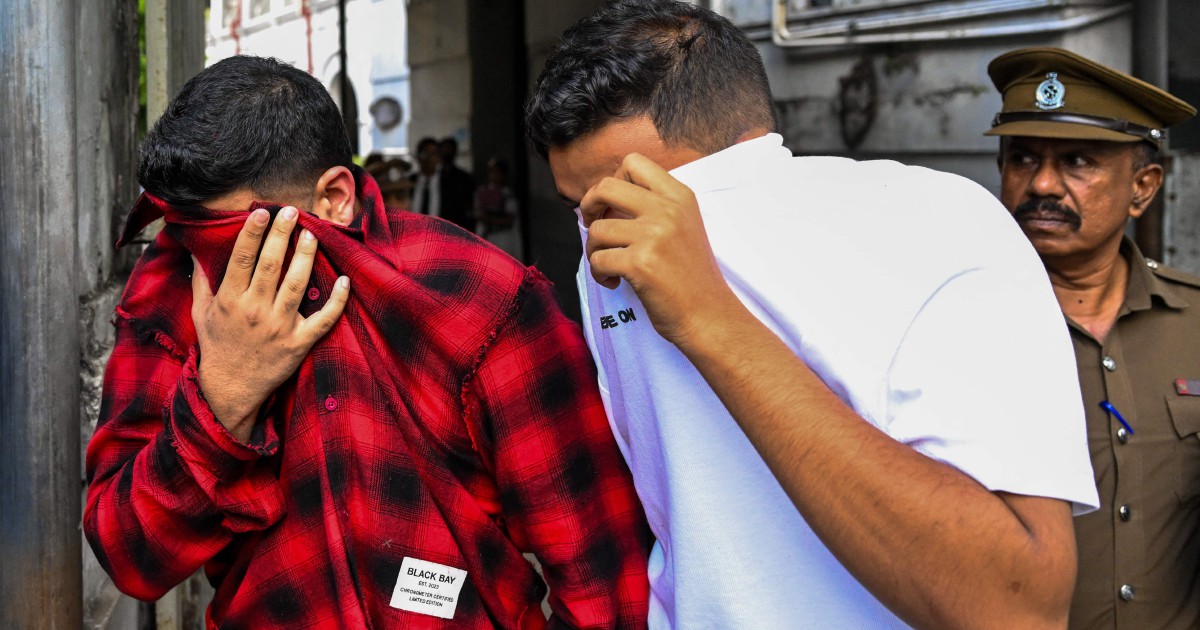
The judicial system in Sri Lanka has moved decisively against corruption allegations threatening the credibility of domestic Twenty20 cricket, with a Colombo court ordering the detention of an Indian businessman who co-owns a Lanka Premier League team on Friday. The court determined that the individual should remain in custody until month's end while facing match-fixing charges that centre on allegations he attempted to use financial inducements to manipulate results through the cooperation of five players.
The Lanka Premier League, established as Sri Lanka's flagship T20 tournament, has positioned itself as a major domestic cricket property in South Asia. The involvement of foreign investment and ownership stakes has been crucial to developing competitive franchises and attracting international playing talent. This case represents a serious disruption to that expansion strategy, as ownership structures built on international confidence face scrutiny when allegations of integrity breaches emerge from within their governance.
Match-fixing remains an endemic concern across South Asian cricket despite decades of regulatory efforts. The International Cricket Council and individual boards have implemented increasingly sophisticated monitoring systems, yet the financial incentives driving corruption persist, particularly in league formats where discrete matches carry significant monetary value. The T20 landscape, with its compressed timeframes and high turnover of matches, creates particular vulnerability to manipulation schemes.
The remand order reflects the court's assessment that detention is warranted given the seriousness of the allegations and the apparent strength of the evidence presented. Courts typically balance flight risk, obstruction potential, and public interest when making such determinations. The fact that the accused holds substantial financial resources and has international connections would have figured prominently in the judicial reasoning for maintaining custody rather than permitting bail.
For Sri Lankan cricket administration, the incident forces uncomfortable reckoning with oversight gaps in franchise-level governance. Cricket boards in the region have faced recurring criticism for insufficient due diligence regarding ownership backgrounds and insufficient monitoring during tournament operations. The Lanka Premier League, while relatively young, operates within a regulatory environment that is constantly adapting to emerging threats to sporting integrity.
The involvement of five players as alleged participants or targets of bribery attempts indicates a potentially coordinated scheme rather than isolated misconduct. Authorities will need to establish whether these individuals were approached opportunistically or whether systematic recruitment occurred. The investigation phase will likely examine communications, financial transactions, and testimony to reconstruct how the alleged bribery network functioned and whether corrupt agreements reached fruition or were detected before implementation.
Regional cricket observers note that South Asian T20 leagues have become increasingly attractive to criminal networks seeking to monetise corruption, partly because the compressed tournament format means outcomes directly impact betting markets with substantial stakes. Bangladesh Premier League, Pakistan Super League, and Indian Premier League have all encountered match-fixing investigations over recent years, suggesting systemic vulnerabilities across the subcontinent's cricket ecosystem rather than isolated institutional failures.
The Sri Lankan authorities' swift action in apprehending the accused and securing court orders demonstrates institutional commitment to confronting integrity threats. However, broader questions remain about preventative mechanisms, education programmes for players and officials regarding corruption red flags, and the effectiveness of intelligence gathering within franchises to identify suspicious approaches before schemes mature.
For Malaysian cricket and other Southeast Asian cricket nations, this case serves as a cautionary example during periods of league expansion and international ownership entry. As regional T20 tournaments develop their commercial models and attract external investment, governance frameworks must mature correspondingly. The balance between welcoming foreign capital and maintaining tight integrity controls represents a central challenge for tournament administrators.
The outcome of this trial will likely influence how cricket boards across South Asia recalibrate their approach to ownership vetting, anti-corruption training, and investigative protocols. If conviction follows, it would reinforce deterrent effects against similar schemes; if the case reveals systemic organisational lapses, boards may implement more stringent operational oversight at franchise level.
Beyond the immediate legal proceedings, the Lanka Premier League faces questions about restoring public confidence in tournament integrity. Franchise owners, players, and the Sri Lankan cricket board collectively bear responsibility for demonstrating that corruption will be detected and punished consistently. The broader cricketing community across South and Southeast Asia will monitor how comprehensively and transparently Sri Lankan authorities handle the investigation and prosecution.

