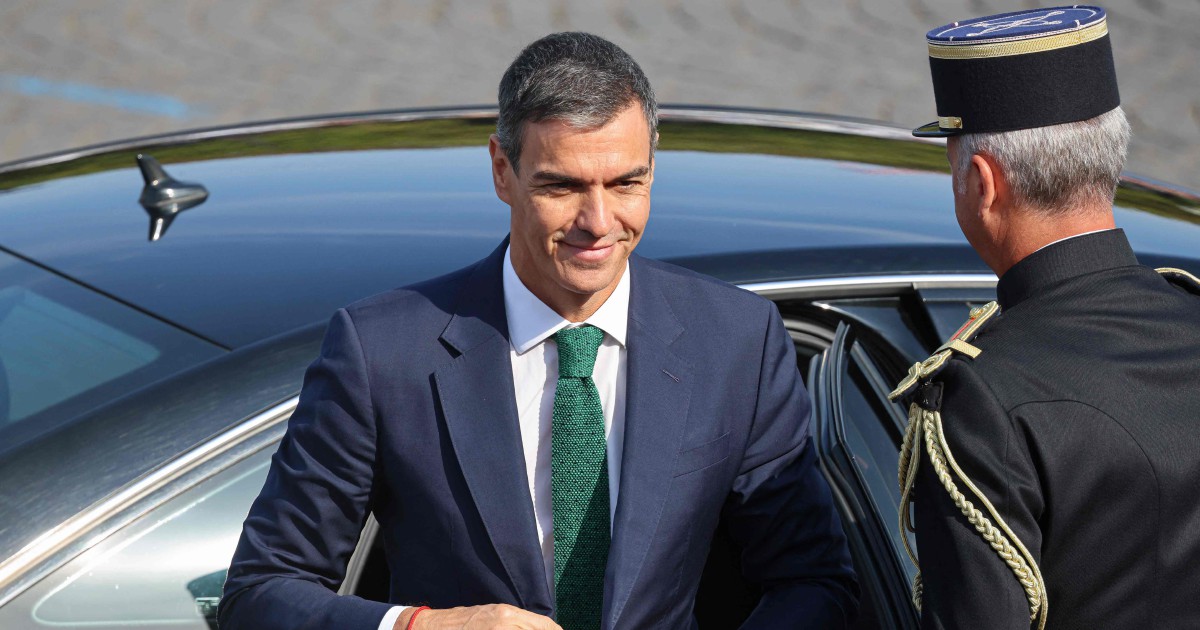
Spain faces Argentina in Sunday's World Cup final with Prime Minister Pedro Sanchez throwing his public support behind Luis de la Fuente's squad, highlighting what he describes as the distinctive character of this generation of players. The endorsement comes at a particularly sensitive time for Sanchez, whose administration has been contending with multiple corruption investigations that have dominated domestic political discourse and divided public opinion.
The Spanish premier's comments represent an attempt to rally national sentiment around the football team's achievements in Qatar, where the squad has demonstrated remarkable resilience and tactical sophistication throughout the tournament. By framing the team's success as representative of Spanish values—cohesion, determination, and excellence—Sanchez is tapping into the unifying power of sport at a moment when his government faces considerable scrutiny over allegations of graft.
Spain's pathway to the final has been characterised by controlled possession football and disciplined defending, a marked contrast to some of the flashier performances from other tournament contenders. The team's ability to maintain composure under pressure and execute complex tactical systems reflects years of investment in youth development and a coherent football philosophy at La Federación Española de Fútbol. This consistency has earned recognition from political circles as well as sports analysts across Europe and Latin America.
The impending final against Argentina presents a fascinating narrative collision between two footballing traditions. Argentina arrives as the favourite following their superior recent record, though Spain's technical approach and tournament form suggest they will provide formidable opposition. For Spanish audiences, the match offers a welcome distraction from domestic political controversies, though Sanchez's engagement with the national team risks appearing opportunistic to critics who question whether political leaders should leverage sports success for domestic advantage.
La Fuente has cultivated a team environment characterised by genuine camaraderie and mutual support among players from rival clubs, particularly the intense Barcelona-Real Madrid rivalry that typically defines Spanish football discourse. This harmony has proven crucial when navigating the pressure of knockout competition, where mental resilience often determines outcomes as much as tactical execution or individual skill. The manager's ability to transcend club loyalties and create genuine team cohesion represents a significant achievement given the fractious nature of Spanish club football.
For Malaysian and Southeast Asian observers, Spain's tournament performance offers instructive lessons about player development, tactical innovation, and institutional consistency. The Spanish model—emphasising youth academies, possession-based football, and long-term planning—contrasts sharply with approaches prioritising quick wins or individual star players. ASEAN nations investing in football infrastructure have increasingly looked to Spain's methodical approach as a template for building sustainable competitive advantage rather than pursuing immediate results through expensive foreign recruitment.
The economic dimension of Spain's World Cup campaign also warrants attention, particularly for developing football economies in the region. Investment in grassroots programming, coach education, and competitive infrastructure yields dividends over extended timeframes, though political commitment and sustained funding remain essential. Spain's success reflects decades of institutional investment following their Euro 2008 triumph, when the country began systematically developing young talent through coordinated academy systems and technical coaching standards.
Sanchez's intervention into football discourse underscores how major sporting events function as moments of national identity construction and political significance, particularly for governments navigating domestic turbulence. Whether intentional or incidental, the prime minister's prominent support for the team creates associations between governmental authority and national sporting pride—a phenomenon observed across democracies when political leaders seek to enhance legitimacy through sports endorsements during periods of vulnerability.
Argentina presents a formidable challenge with their own rich football traditions and collective experience from previous World Cups. Lionel Messi's presence adds psychological weight for the Argentine delegation, though Spain's collective approach and tournament form suggest they possess genuine tactical opportunities to disrupt their opponents' rhythm. The final promises compelling football that transcends national boundaries, offering global audiences—including engaged Southeast Asian viewers—a masterclass in contemporary international football.
Regardless of Sunday's outcome, Spain's tournament trajectory has already secured the team's place among this generation's most accomplished international sides. The players' demonstrated unity and technical excellence provide material for national memory-making that will endure beyond the final whistle. For Sanchez's administration, the team's performances have provided valuable symbolic capital that might help rebalance public discourse, though ultimately the government's legitimacy rests on addressing rather than evading the domestic governance questions that currently preoccupy Spanish political debate.

