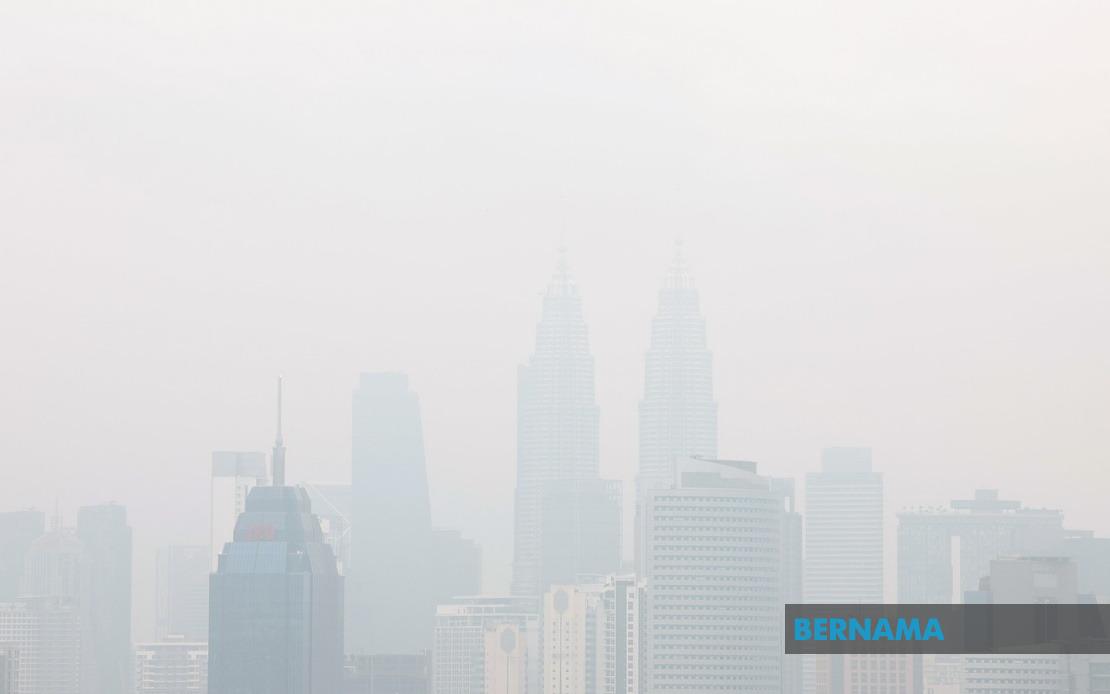
Regional meteorological authorities are sounding the alarm over deteriorating air quality across southern ASEAN, with forecasts suggesting a sharp worsening of smoke haze conditions if current dry patterns persist. The ASEAN Specialised Meteorological Centre (ASMC) has flagged the risk of transboundary air pollution spreading across multiple nations in the coming days, citing the combination of persistent drought conditions and expansive smoke plumes that have already engulfed parts of Indonesia, Malaysia and Sarawak.
The situation reflects a troubling convergence of environmental factors that have made the region vulnerable to air pollution events. Dense smoke is currently billowing from hotspots concentrated across West, Central and South Kalimantan—Indonesia's fire-prone provinces—as well as from the central and southern stretches of Sumatra. While isolated hotspot clusters have been detected across Indonesian territory, the concerning dimension lies not in isolated fires but in the scale and density of smoke plumes already visible over these expansive regions, indicating widespread burning activity.
Malaysia has emerged as one of the most visibly affected nations, with 17 monitoring stations spread across six states and two Federal Territories registering unhealthy Air Pollutant Index (API) readings as of Wednesday morning. The situation is most acute in Sarawak, where three locations have already breached unhealthy thresholds. Sri Aman recorded the highest Malaysian reading at 167, with Serian district police headquarters and Samarahan following closely at 166 and 162 respectively. The impact extends across Peninsular Malaysia, with monitoring stations in western regions reporting unhealthy levels alongside readings from Selangor, Kuala Lumpur, Negeri Sembilan, Johor, Melaka, Perak and Putrajaya.
The meteorological centre's assessment emphasises that weather patterns themselves are actively facilitating transboundary pollution movement. Prevailing winds across southern ASEAN are currently directed from the southeast to southwest—directional flows that naturally channel Indonesian smoke emissions toward Malaysian and Singaporean airspace. This wind dynamic transforms localised Indonesian fire activity into a regional air quality crisis, as smoke masses travel across national borders and accumulate over population centres with minimal opportunity for natural dispersal.
Singapore's situation demonstrates how widespread the pollution already is, though the city-state has been relatively spared thus far. The National Environment Agency reported moderate air quality readings ranging from 59 to 78 on the Pollutant Standards Index as of Wednesday afternoon, with the central region experiencing the highest readings. These moderate levels suggest that whilst Singapore remains buffered from the worst impacts, the current pollution front is advancing sufficiently close to register measurable effects. Continued deterioration could readily push Singapore into unhealthy territory should conditions worsen as ASMC forecasts suggest.
The critical variable determining whether this situation escalates significantly is rainfall. Dry conditions that persist will allow continued burning and prevent smoke from being washed from the atmosphere. Conversely, even moderate precipitation could break the drought pattern, reduce burning activity, and clear existing smoke plumes. ASMC's projection implicitly warns that the meteorological forecast offers no near-term relief, suggesting dry conditions will dominate coming days rather than abating.
The haze phenomenon represents a recurring challenge for Southeast Asia during its dry season, rooted in Indonesian land-use practices and agricultural burning that intensifies during months of low rainfall. However, the speed with which unhealthy readings have appeared across multiple Malaysian locations suggests that current fire activity has exceeded typical seasonal norms or that atmospheric conditions are particularly conducive to smoke concentration and retention. The combination of these factors creates genuine health risks for vulnerable populations including elderly residents, young children, and those with respiratory conditions.
For Malaysian policymakers and regional authorities, the ASMC alert reinforces existing transboundary air pollution management frameworks and the ongoing diplomatic discussions with Indonesian counterparts regarding fire prevention and control during high-risk periods. The fact that Sarawak is experiencing some of the region's worst air quality despite being geographically distant from major Indonesian fire zones underscores how atmospheric transport can amplify localised pollution into region-wide hazards.
The broader implications extend beyond immediate health concerns to encompass economic and social disruption. Severe air pollution typically triggers schools closures, reduced outdoor activities, increased healthcare demands, and productivity losses across affected economies. The current situation remains within manageable bounds based on Wednesday morning readings, but the trajectory appears concerning. Should dry conditions persist as ASMC forecasts, the region could transition within days from unhealthy readings to hazardous levels that necessitate emergency response protocols and public health advisories.

