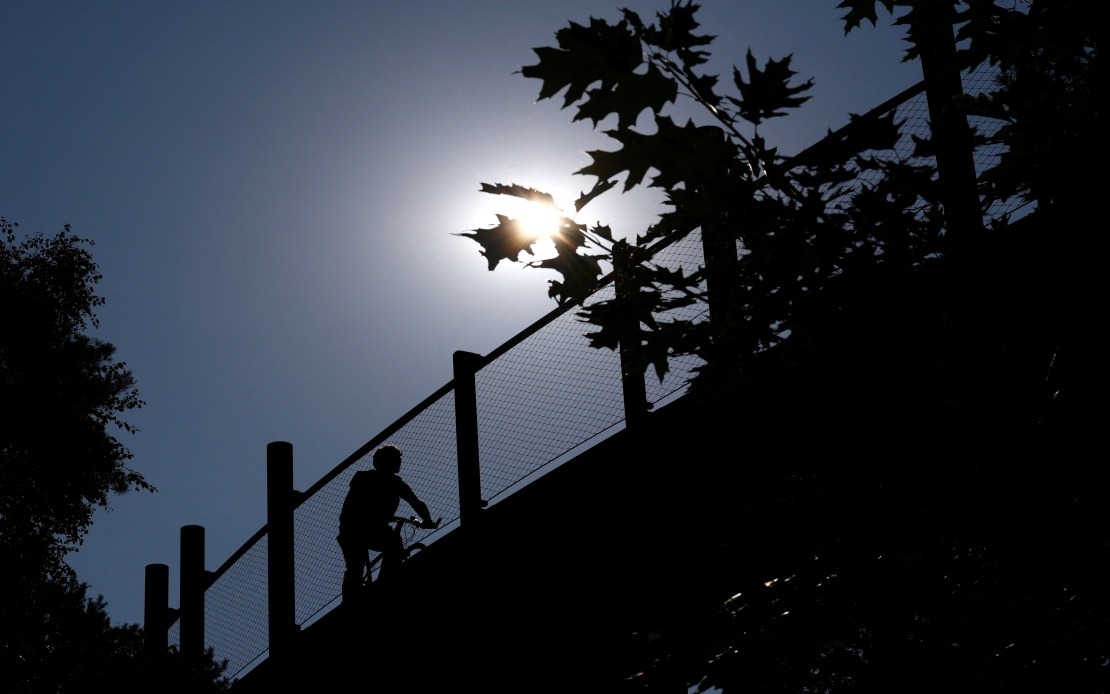
South Korea's mounting toll from extreme heat has reached 21 fatalities in 2024, a troubling milestone that exceeds the previous year's total of 20 deaths even though fewer people have suffered heat-related illnesses overall. The Korea Disease Control and Prevention Agency disclosed the grim statistics on Wednesday, signalling that while the country has managed to reduce the number of heat-related emergency cases, the severity and lethality of the extreme weather phenomenon appears to be intensifying.
Since mid-May, when South Korea's surveillance system for tracking heat-related conditions commenced operations, approximately 2,441 patients have sought emergency medical treatment for heat-induced ailments. This represents a comparative decrease from the corresponding period in 2023, yet the paradoxical rise in fatalities suggests that those afflicted are experiencing more severe manifestations of heat-related diseases. The data indicates a troubling shift in the epidemiological pattern of heat illness in the country, where fewer cases are translating into more deaths—a development that warrants urgent investigation into why heat exposure is proving increasingly deadly.
The composition of reported cases reveals important patterns about the nature of heat illness affecting the population. Heat exhaustion dominated presentations at 61.7 per cent of cases, representing the most common form of heat-related illness seen in emergency departments. Heat stroke, the more severe and potentially fatal condition, accounted for 16.8 per cent of reported cases, while heat cramps comprised 11.5 per cent. This distribution underscores that while most patients experience the less dangerous form of heat illness, a significant minority suffer from the life-threatening variant that can cause organ failure and death if not rapidly treated.
A recent victim exemplifies the vulnerability of outdoor workers to extreme heat. A 60-year-old man employed on a farm in Eumseong County, North Chungcheong Province, succumbed to heat-related causes while working outdoors on Tuesday. This case typifies the occupational dimension of South Korea's heat crisis, as agricultural labourers and construction workers operating in unshaded environments face disproportionate exposure to lethal temperatures. The incident underscores how certain segments of the workforce—often lower-income earners without access to climate-controlled facilities—bear the heaviest burden of the nation's intensifying heat waves.
Weather authorities have escalated their warnings in response to the dangerous conditions sweeping across the peninsula. The state meteorological agency issued additional serious heat wave alerts specifically targeting the greater Seoul area, with the highest alert level now covering 43 per cent of the sprawling metropolitan region. This concentration of severe warnings in the nation's most populous area reflects the particular vulnerability of urban populations, where dense building configurations, limited vegetation, and heat-absorbing infrastructure create urban heat islands that amplify temperature extremes.
Forecast data suggests the dangerous conditions will intensify further in coming days. Seoul is expected to experience temperatures reaching up to 39 degrees Celsius on Thursday, placing the capital among the hottest spots in the country. Such temperatures are genuinely life-threatening, particularly for elderly populations, those with pre-existing cardiovascular conditions, and individuals without adequate access to air conditioning. The psychological and physical stress imposed by prolonged exposure to such heat can precipitate cascading health emergencies across vulnerable demographic groups.
The heat crisis in South Korea carries significant implications for the broader Southeast Asian region, where many nations experience similarly extreme temperatures as routine seasonal occurrences. Malaysia, Thailand, Indonesia, and other tropical countries have developed various public health strategies to manage heat illness, yet South Korea's experience demonstrates that even developed nations with sophisticated medical infrastructure struggle to prevent heat-related deaths when temperatures reach dangerous thresholds. The increasing lethality despite declining case numbers suggests that climate change may be producing more extreme, concentrated heat events rather than simply extending warm seasons.
Public health officials in South Korea are confronting a challenging epidemiological puzzle: why are fewer people reporting heat illness while more people are dying? One plausible explanation involves selection bias, where only the most severely affected individuals seek emergency treatment, while milder cases go unreported or are self-managed. Another possibility relates to delayed care-seeking behaviour among elderly populations, who may not recognize heat-related symptoms or may avoid hospitals due to cost concerns, only presenting when their conditions have deteriorated to critical levels.
The occupational and demographic dimensions of South Korea's heat crisis demand targeted policy responses. Agricultural workers, construction labourers, and outdoor service employees require mandatory rest periods, access to hydration stations, and shaded facilities during peak heat hours. Vulnerable populations including the elderly, economically disadvantaged households without air conditioning, and individuals with chronic illnesses need proactive outreach and support systems. Heat early-warning systems, while valuable, prove insufficient without complementary interventions that address the underlying social and economic inequalities that determine exposure risk.
As South Korea contends with this public health emergency, the nation's experience offers cautionary lessons for neighbouring countries in Southeast Asia. Rising average global temperatures and increasing frequency of extreme heat events suggest that heat-related mortality will become an increasingly serious public health challenge across the region. Developing robust surveillance systems, training healthcare workers to recognize heat-related emergencies, and implementing workplace protections are essential adaptations to climate change. South Korea's escalating heat death toll, despite its advanced healthcare system, underscores that technological solutions alone cannot address the challenge—comprehensive societal adaptation is required.

