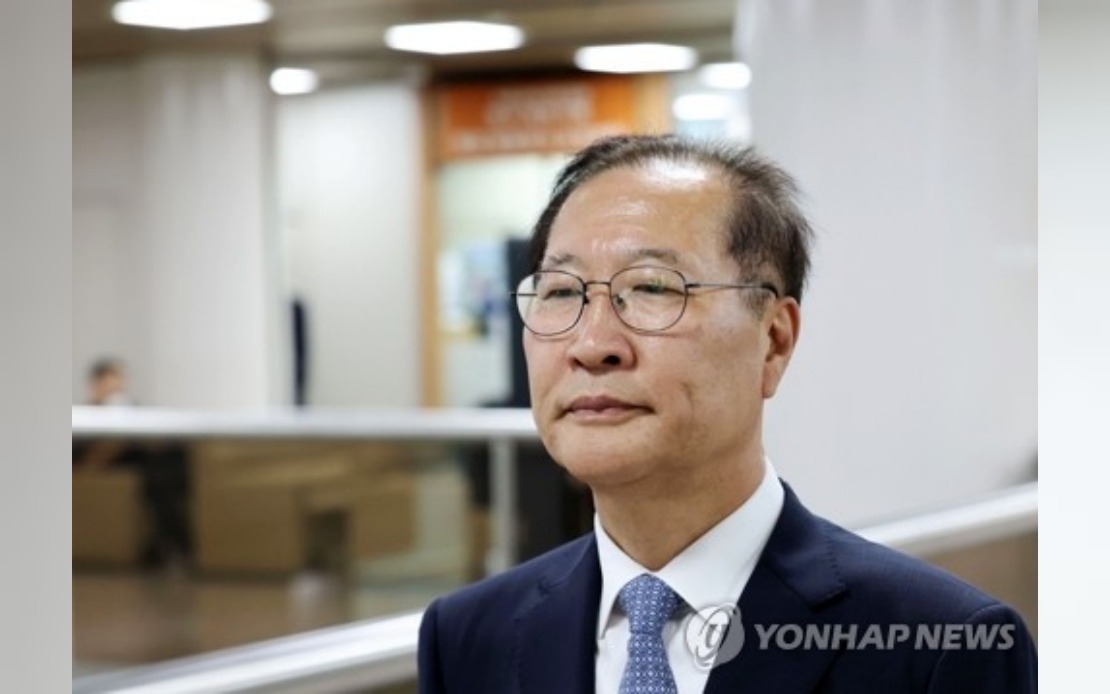
South Korea's judicial system has dealt another significant blow to former President Yoon Suk Yeol's administration with the conviction and 25-year prison sentence of ex-Justice Minister Park Sung-jae. The Seoul Central District Court handed down the sentence on Monday, finding Park guilty of playing a pivotal role in the failed insurrection linked to Yoon's December 3, 2024 martial law declaration. The sentence surpassed the 20-year term initially sought by special counsel Cho Eun-suk's investigative team, signalling the court's assessment of Park's culpability in what has become one of South Korea's most serious constitutional crises in recent decades.
Park's immediate remand in custody reflected judicial concerns that he might attempt to destroy evidence, a decision that underscores the gravity with which South Korean courts are treating this case. The conviction carries implications far beyond individual accountability, as it reinforces the judiciary's commitment to investigating and prosecuting those deemed responsible for undermining constitutional order. For Malaysian observers and legal professionals, the case illustrates how democratic systems respond when senior officials allegedly participate in challenges to established constitutional frameworks, a matter of regional significance given Southeast Asia's varied political trajectories.
The specific charges against Park centred on his actions immediately following Yoon's martial law declaration. The former Justice Minister allegedly convened a meeting of senior ministry officials to coordinate multiple operational responses designed to support the martial law regime. According to the court's findings, Park's meeting agenda included reviewing protocols for deploying prosecutors to bodies supportive of martial law, assessing the capacity of correctional facilities ostensibly to accommodate politicians and prominent figures expected to be arrested, and directing officials responsible for imposing travel restrictions to report for active duty. These actions, the court determined, demonstrated deliberate participation in the insurrection rather than mere administrative oversight.
In its judgment, the Seoul court articulated a stern principle regarding ministerial obligations during constitutional emergencies. The bench stated that Park had fundamentally abandoned his constitutional duty to protect and uphold the nation's legal order, instead choosing to participate actively in the insurrection because he believed it might succeed. This language reflects a judicial philosophy that holds senior officials to heightened standards of constitutional fidelity, particularly during moments when the state's fundamental structures face challenge. The ruling suggests that perceived likelihood of success cannot excuse participation in unconstitutional actions by those with direct responsibility for implementing the law.
Park's conviction places him alongside other prominent cabinet members who have faced similar judgments. Former Prime Minister Han Duck-soo and former Defence Minister Kim Yong-hyun have already been convicted of playing key roles in the insurrection, creating a pattern of high-level accountability within Yoon's government. The accumulation of these convictions suggests a comprehensive judicial examination of the administration's involvement in the martial law attempt, reaching multiple agencies and hierarchical levels. This pattern distinguishes the South Korean response from some international precedents where prosecutions of political crises remain selective or incomplete.
President Yoon himself received a life sentence in February for orchestrating the martial law declaration, though he has lodged an appeal against that conviction. The staggered convictions of his subordinates, occurring after the former president's sentencing, create layered accountability structures within the broader investigation. Unlike some jurisdictions where such cases might centre predominantly on a single political figure, South Korea's special counsel system has pursued methodical examination of institutional participation across government departments, suggesting institutional complicity rather than isolated executive action.
The court rejected additional charges brought against Park under anti-corruption statutes, determining these fell outside the special counsel's investigative scope. These dismissed charges related to allegedly inappropriate orders Park supposedly issued to subordinates in May 2024 following a request from Yoon's wife, Kim Keon Hee, who sought prosecution assistance in investigating corruption allegations directed at her. The distinction between what courts will prosecute within special counsel mandates and what falls beyond investigative authority carries procedural significance for how South Korea structures accountability mechanisms during constitutional crises.
Park's legal team immediately signalled their intention to appeal, characterising the judgment as unsupported by either factual evidence or established legal principles. Defence counsel's swift response suggests they view the conviction as vulnerable to appellate scrutiny, potentially mounting arguments regarding evidentiary weight, legal interpretation of insurrection statutes, or Park's specific degree of participation in broader governmental actions. The appeal process will likely extend the timeline for final resolution, as South Korea's appellate courts examine whether the lower court's reasoning withstands closer legal scrutiny.
In contrast, the special counsel's team indicated no intention to appeal, implicitly accepting the sentence as appropriate or possibly exceeding their expectations. This prosecutorial stance underscores their assessment that the ruling adequately addresses Park's culpability and establishes important legal precedent regarding justice ministers' constitutional obligations. The decision not to pursue further appeals suggests confidence that the conviction and sentence achieve the investigative team's core objectives regarding accountability and constitutional vindication.
For regional observers, the Park case illuminates how mature democracies with independent judiciaries respond to governmental challenges to constitutional order. Unlike circumstances in some neighbouring jurisdictions where such episodes might remain politically contested or inadequately prosecuted, South Korea's systematic convictions of multiple high-ranking officials demonstrate institutional mechanisms for accountability operating despite political pressure and elite resistance. The case also reveals tensions between prosecutorial mandates and criminal statutes, as evidenced by dismissed anti-corruption charges, suggesting careful judicial boundaries around special counsel authority.
The broader implications for Southeast Asian governance structures merit consideration, particularly as several regional nations contend with questions about executive power limits and constitutional protection. South Korea's willingness to sentence a former justice minister to 25 years imprisonment illustrates that senior officials cannot expect immunity from prosecution for participating in unconstitutional governance attempts, regardless of ministerial rank or governmental position. This principle potentially influences how other Asian democracies calibrate accountability mechanisms and judicial independence when confronting comparable constitutional challenges.
As this case moves through appellate channels and additional trials continue against other figures implicated in the martial law attempt, South Korea's legal system remains engaged in comprehensive examination of institutional and individual responsibility. The Park conviction, combined with Han Duck-soo and Kim Yong-hyun's sentences, demonstrates that even high-ranking government figures face substantial consequences when courts determine their participation in insurrection, a message that resonates across Southeast Asia's diverse political environments as nations navigate questions about constitutional compliance among leadership classes.