A South Korean woman in her 30s now faces legal proceedings for allegedly orchestrating an extensive ticket-scalping operation targeting the region's most sought-after K-pop concerts, authorities announced on August 26. The Seoul Metropolitan Police Agency has referred her to prosecutors on multiple charges, including violations of the Information and Communications Network Act, obstruction of business, and the Public Performance Act. Her alleged scheme involved the systematic use of automation technology to circumvent purchasing restrictions on high-demand concert tickets, a problem that has plagued South Korea's thriving entertainment industry for years.
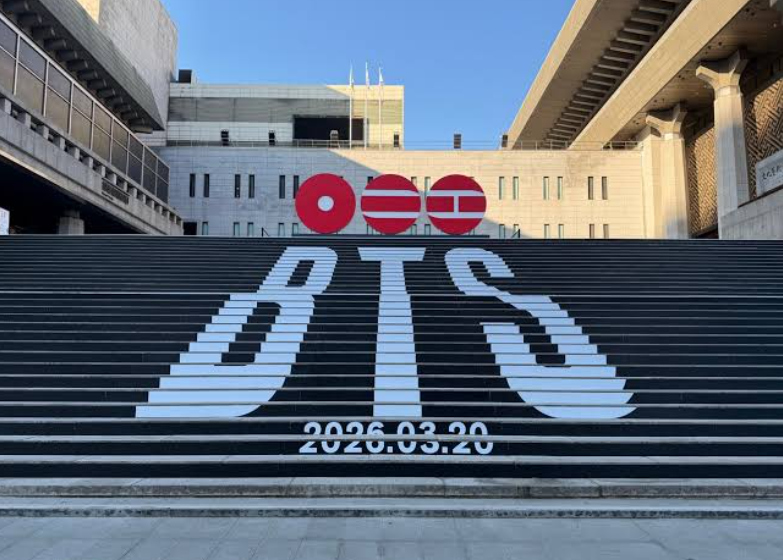
The suspect deployed macro software—a type of automated programme designed to execute repetitive computer tasks at speeds impossible for human operators—to complete ticket purchases for approximately 2,600 events between April 2023 and March 2026. These transactions spanned concerts featuring major K-pop artists, though her most audacious acquisition came through nine tickets to BTS' highly coveted Gwanghwamun performance scheduled for March 2026. This particular concert, given BTS' global prominence and the group's significance within South Korean popular culture, attracted exceptional demand that made tickets extraordinarily difficult for ordinary fans to secure through legitimate channels.
The operational sophistication of her scheme lay in how she exploited structural vulnerabilities within online ticketing systems. Most K-pop concerts in South Korea implement purchase limits restricting individual buyers to one or two tickets per performance, a measure designed to prevent exactly this kind of bulk acquisition. The defendant circumvented these safeguards by registering multiple accounts under the names of relatives and acquaintances, then using her macro programme to log into each account simultaneously and complete purchases faster than the ticketing platform's systems could detect unusual patterns. This layering of false identities combined with technological acceleration created a particularly challenging problem for venue operators and ticketing companies attempting to ensure fair access.
Investigators discovered the operation during heightened monitoring of the BTS Gwanghwamun concert ticket sales on February 23, as authorities were already focused on that event due to exceptional demand. Their surveillance successfully intercepted the woman's attempt to acquire nine BTS tickets through the same automated method, preventing her from completing what would have been a highly profitable resale. Police estimates indicate the woman generated approximately 442 million won—equivalent to around US$319,000—through her ticket-scalping activities across multiple events. This figure demonstrates the substantial financial incentive driving such schemes and the scale of the problem within South Korea's concert industry.
The mechanics of resale pricing in K-pop ticket scalping reveal why perpetrators pursue these operations despite legal risks. Concertgoers desperate to attend sold-out performances will pay premium prices on secondary markets, and K-pop fans—known for their passionate dedication and global reach—represent particularly willing customers. The ticket-scalping ecosystem creates a substantial markup opportunity, with illegally resold tickets commanding multiples of their original face value. This profit potential has transformed concert ticket fraud from petty crime into organized schemes requiring technological expertise and coordinated effort.
Simultaneously, the police announced a separate but strikingly similar case originating from Ulsan, another major South Korean city. A man in his 30s was arrested and referred to prosecutors after developing his own macro programme targeting more than 1,700 K-pop concert tickets between November 2024 and October 2025. Authorities determined he resold these tickets at prices ranging from three to thirteen times their original cost, netting approximately 420 million won in profits. The parallel nature of these cases—both involving male and female perpetrators of similar age using identical technological methods within the same general timeframe—suggests ticket scalping has become a systematized criminal practice rather than isolated incidents of opportunistic fraud.
These prosecutions arrive at a crucial inflection point for South Korean enforcement efforts. Beginning August 28, just days after police announced these cases, revised provisions of the Public Performance Act and the National Sports Promotion Act took effect, substantially escalating penalties for illegal ticket resales. The updated legislation permits administrative fines reaching fifty times the value of illegally resold tickets. This represents a dramatic increase in potential financial consequences for perpetrators and signals the government's determination to combat a problem that undermines fair access to cultural events and enriches criminal networks at fans' expense.
The enforcement escalation reflects broader concerns within South Korea's entertainment industry about protecting consumer access and maintaining the integrity of ticketing systems. K-pop represents one of the nation's most valuable cultural and economic exports, with global fanbase engagement depending partly on perception of fair ticket distribution. When scalping operations run unchecked, they create barriers for legitimate international and domestic fans, damage the concert-going experience, and divert revenue from artists and venues to criminal intermediaries. The government's legislative response acknowledges these harms and attempts to make ticket scalping economically unviable through punitive fines.
For Malaysian and Southeast Asian readers, these developments carry particular relevance given the region's growing K-pop fandom and concert industry expansion. As K-pop performances increasingly tour through Malaysia, Singapore, and other Southeast Asian markets, ticket scalping represents an emerging concern for local concert promoters and ticketing platforms. The technological methods identified in these South Korean cases—macro programmes, multi-account registration, and coordinated purchasing—operate across borders and could easily be deployed against Southeast Asian ticket sales. The legal framework and enforcement approaches South Korea is implementing may provide templates for regional governments considering their own consumer protection measures in the entertainment sector.
These cases also underscore how technological sophistication increasingly shapes enforcement challenges in the digital economy. Macro programmes and automated purchasing tools exist in legally neutral states—they can serve legitimate purposes in many contexts—making detection and prosecution more complex than traditional fraud. Ticketing platforms must continually upgrade their security architecture to identify and block suspicious patterns, creating an ongoing arms race between scammers and system operators. The Seoul Metropolitan Police Agency's success in detecting and interrupting these schemes demonstrates that effective enforcement remains possible but requires dedicated resources and close coordination between law enforcement and private ticketing companies.

