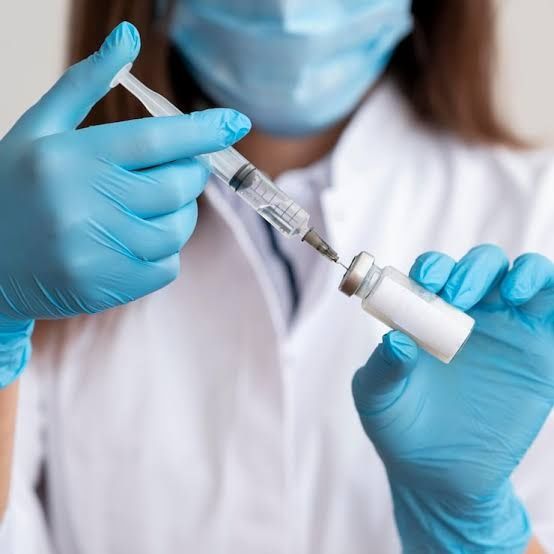
A healthcare worker in her twenties was taken into custody by Seoul Gangnam Police on July 7 after authorities discovered she had self-administered propofol, a powerful anaesthetic commonly used in medical procedures, during her inaugural shift at a dermatology clinic in the upscale Gangnam-gu district. The nurse assistant faces charges under South Korea's Narcotics Control Act, with investigators currently examining the circumstances surrounding the incident and whether her drug use extends beyond this single occurrence. She was processed without physical detention as authorities gather evidence and interview relevant parties.
The incident unfolded when the woman located a syringe containing residual propofol inside a waste receptacle at the clinic premises. Rather than discarding or reporting the discovery, she opted to inject the substance into herself, behaviour that has alarmed both healthcare administrators and regulatory bodies concerned about workplace safety and drug diversion. The decision to use a contaminated syringe found in medical waste exposed her to additional health risks beyond the pharmacological dangers of propofol itself, including potential bloodborne pathogen transmission and infection.
Propofol's pharmacological profile makes unauthorised use particularly hazardous. The drug functions as a rapid-onset intravenous sedative specifically engineered to induce anaesthesia during surgical and diagnostic procedures under controlled medical supervision. When self-administered outside clinical protocols, without proper monitoring equipment, emergency medical backup, or dosage calibration, the substance carries substantial risks of severe adverse effects and fatality. The anaesthetic's depressant properties can precipitate respiratory depression, cardiovascular instability, and loss of consciousness, conditions that prove life-threatening without immediate professional intervention.
This episode reflects a broader and increasingly troubling pattern within South Korea's healthcare landscape. The prevalence of narcotics abuse among medical personnel and the accessibility of controlled substances at clinical facilities have emerged as significant public health concerns. Healthcare workers, who possess both knowledge of pharmaceutical effects and access to medication stocks, occupy a vulnerable position regarding substance misuse, a dynamic recognised internationally across developed healthcare systems. The discovery of controlled drugs in waste management systems suggests potential lapses in institutional protocols governing secure handling and proper disposal of anaesthetic agents.
Recent statistical data underscores the magnitude of narcotics consumption across South Korean society. In 2025, approximately 20.2 million individuals—representing roughly four out of every ten South Koreans—obtained at least one prescription involving medical narcotics, according to information released in June by the Drug Ministry and the Korea Institute of Drug Safety and Risk Management. These figures demonstrate the widespread integration of controlled pharmaceutical agents into South Korean healthcare delivery, simultaneously highlighting the volume of substances moving through clinical environments where security breaches can occur.
The escalating patterns of narcotic utilisation have prompted healthcare advocates and policymakers to intensify demands for institutional reforms. Critics emphasise that existing regulatory frameworks governing secure storage, responsible handling procedures, and compliant disposal mechanisms remain insufficient to prevent diversion and misuse. They contend that dermatology clinics, surgical centres, and hospital anaesthesia departments require substantially enhanced security infrastructure, including surveillance systems, restricted access protocols, inventory tracking mechanisms, and staff accountability measures. Without comprehensive structural improvements, vulnerabilities enabling incidents like this one will persist.
For Malaysian healthcare administrators and policymakers monitoring international developments in medical narcotic management, South Korea's experience offers instructive lessons. As Malaysia's healthcare sector continues expanding and surgical specialties like dermatology proliferate in both public and private settings, the risk of similar incidents remains tangible. Local clinics and hospitals handling propofol and comparable anaesthetic agents should undertake comprehensive audits of their current security arrangements, waste disposal protocols, and staff supervision frameworks. The accessibility of controlled substances in waste containers, as occurred in this Seoul case, represents a critical vulnerability that demands immediate rectification.
The regulatory response in South Korea underscores the necessity for multi-layered intervention strategies. Beyond individual accountability through criminal prosecution, systemic improvements addressing root causes prove essential. Healthcare facilities require mandatory compliance audits, enhanced staff training emphasising drug diversion risks, technological solutions for tamper-evident packaging and inventory management, and clearly defined escalation procedures for reporting security breaches. International best practices developed across advanced healthcare economies provide templates that South Korean authorities and other regional systems, including Malaysia, can adapt to local circumstances.
This incident also illuminates the psychological dimensions of substance abuse within healthcare professions. The decision to utilise a contaminated syringe containing residual medication suggests either profound desperation, inadequate awareness of associated health risks, or pre-existing substance use patterns. Comprehensive occupational health screening, mental health support services, and peer intervention programmes represent preventive approaches that can identify at-risk individuals and facilitate early intervention before severe consequences materialise.
As investigations into this particular case progress, South Korean authorities will likely establish whether the nurse assistant exhibits signs of habitual drug dependence or whether this represented an isolated incident of poor judgement. Regardless of the conclusion, the episode has reinvigorated public discourse regarding institutional accountability and systematic reform. For neighbouring healthcare systems in Southeast Asia facing comparable challenges, the momentum generated by this incident in South Korea provides an opportune moment to proactively strengthen narcotic security protocols before comparable incidents occur locally, protecting both healthcare personnel and the broader populations they serve.

