A prominent South Korean chef operating a two-Michelin-star restaurant confronts potential imprisonment after prosecutors argued he systematically violated the country's stringent food safety regulations by adding black ants to desserts served to diners over a nearly four-year period. During a Monday court hearing in Seoul, prosecutors sought a one-year prison sentence and a 20 million won fine against the restaurant owner, whose establishment and identity remain undisclosed by local media reporting on the case.
The chef's alleged culinary experiment hinged on a creative but ultimately illegal attempt to introduce sour flavours and textural complexity to palate-cleansing sorbets. According to food safety ministry statements, the chef would top the frozen desserts with between three and five ants per serving, characterising the practice as an innovative garnishing technique designed to stimulate specific taste sensations. This approach generated considerable commercial success over the period in question, with approximately 12,000 servings sold through January 2025, generating revenue totalling around 120 million won from this particular menu item alone.
The crux of the legal violation centres on South Korea's comprehensive food safety framework, which explicitly permits only 10 insect species for human consumption in the country. These approved options include grasshoppers and brown mealworm larvae, both of which have established culinary traditions in Korean cuisine and have undergone regulatory safety assessments. The black ants in question, however, fell entirely outside this approved list, rendering their use in any commercial food preparation categorically illegal regardless of culinary merit or consumer knowledge.
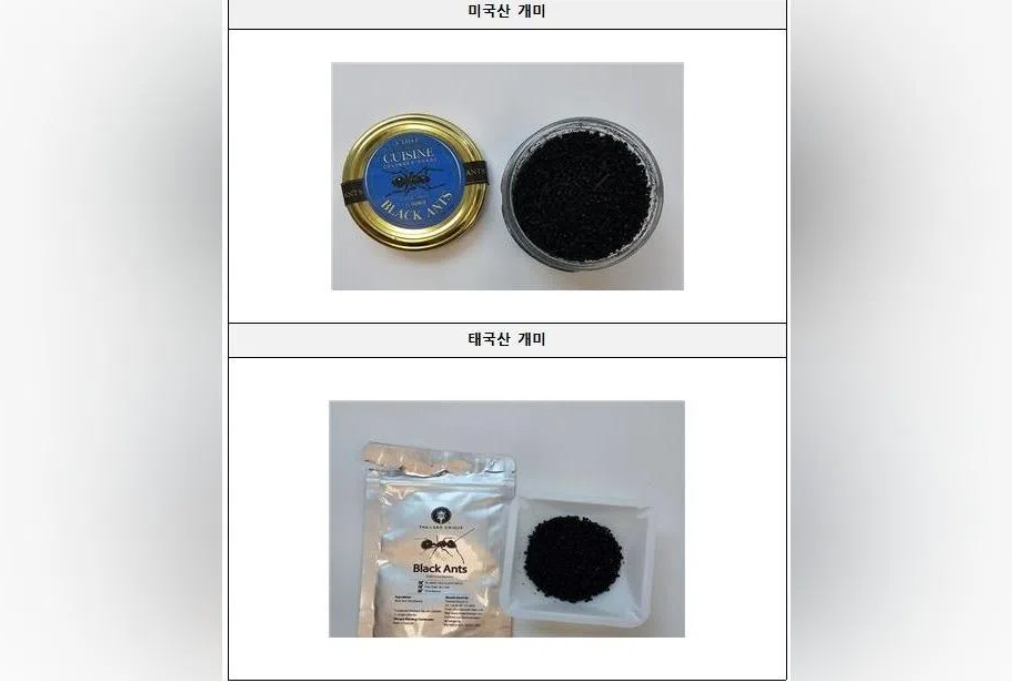
Investigators determined that the restaurant sourced these prohibited insects from international suppliers, specifically importing them from Thailand and the United States. The discovery of a tin labelled "Cuisine Black Ants" among evidence seized by authorities provided physical documentation of the deliberate procurement strategy. This dimension of the case suggests the chef actively pursued an uncommon ingredient despite understanding, or reasonably should have understood, that such importation for food service purposes violated regulatory requirements. The importation itself compounds the violation beyond mere service, indicating premeditated sourcing rather than an isolated incident of poor judgment.
The prosecution's investigation commenced approximately one year prior to the formal court proceedings, suggesting authorities required considerable time to gather evidence and document the systematic nature of the practice. The relatively high sales volume and extended timeframe indicate this was not a brief experiment or limited special menu item, but rather an established component of the restaurant's commercial operation. This pattern strengthens prosecutors' position that the violation reflected deliberate practice rather than isolated negligence.
Defence counsel adopted a mitigation strategy centring on informed consent, arguing that customers who received the ant-garnished sorbets had provided advance consent to participate in this experimental culinary practice. This defence posture suggests the restaurant may have framed the ant inclusion as part of an exclusive tasting experience or special menu selection rather than deceiving patrons about the dish's contents. However, regulatory frameworks typically prioritise formal approval processes over individual consent, particularly when substances fall outside permitted food additives. The legal question becomes whether consumer awareness negates the fundamental violation of serving unapproved food sources, a distinction that may influence judicial reasoning.
The defendant issued an apology statement during closing arguments, characterising the incident as arising from insufficient familiarity with regulatory requirements rather than deliberate defiance. This acknowledgment of regulatory ignorance, while potentially appealing to judicial mercy, simultaneously underscores the breadth of South Korea's food safety regime and the responsibility incumbent upon restaurant operators to maintain comprehensive compliance knowledge. For a Michelin-starred establishment, such unfamiliarity with the legal landscape governing food service would likely strike many observers as particularly surprising, as formal culinary credentials typically accompany rigorous training in food safety protocols.
The case reflects broader tensions within the international culinary world between innovation and regulatory compliance, particularly as chefs increasingly explore unconventional ingredients and preparation methods. South Korea maintains notably strict food safety regulations compared to many developed nations, reflecting historical experience with foodborne illness outbreaks and cultural preferences for rigorous quality assurance. This regulatory strictness creates particular friction when internationally trained or globally-minded chefs attempt to introduce ingredients and techniques sourced from permissive jurisdictions into the South Korean market.
For Malaysian readers and regional observers, this case illuminates how different Asian jurisdictions enforce food safety standards with varying degrees of stringency. Malaysia maintains its own food safety framework, though the specific approval processes and permitted ingredients differ from South Korea's model. The prosecution underscores that culinary prestige and michelin recognition do not exempt establishments from fundamental regulatory compliance, a principle applicable across the region as fine dining continues expanding throughout Southeast Asia. Chef-entrepreneurs operating across borders or sourcing international ingredients must navigate complex, jurisdiction-specific approval systems even when ingredients prove entirely legal in their countries of origin.
The Seoul Western District Court will deliver its judgment in early September, with the ruling potentially establishing precedent for how Korean courts balance culinary innovation against food safety violations. Should the court impose the requested penalties, the case may prompt broader recalibration within South Korea's fine dining sector regarding experimental techniques and ingredient sourcing. Conversely, a lenient judgment emphasising consumer consent might signal judicial acknowledgment of culinary autonomy, though such an outcome appears unlikely given prosecutors' confident pursuit and the evident regulatory clarity surrounding prohibited insects.
This prosecution ultimately reflects the challenge facing regulatory agencies worldwide as they attempt to maintain food safety standards while accommodating legitimate culinary evolution. The ant incident, however unconventional, demonstrates that even highly accomplished culinary professionals must operate within established legal boundaries, regardless of whether specific innovations derive from genuine creative impulse or perceived customer demand for novelty.

