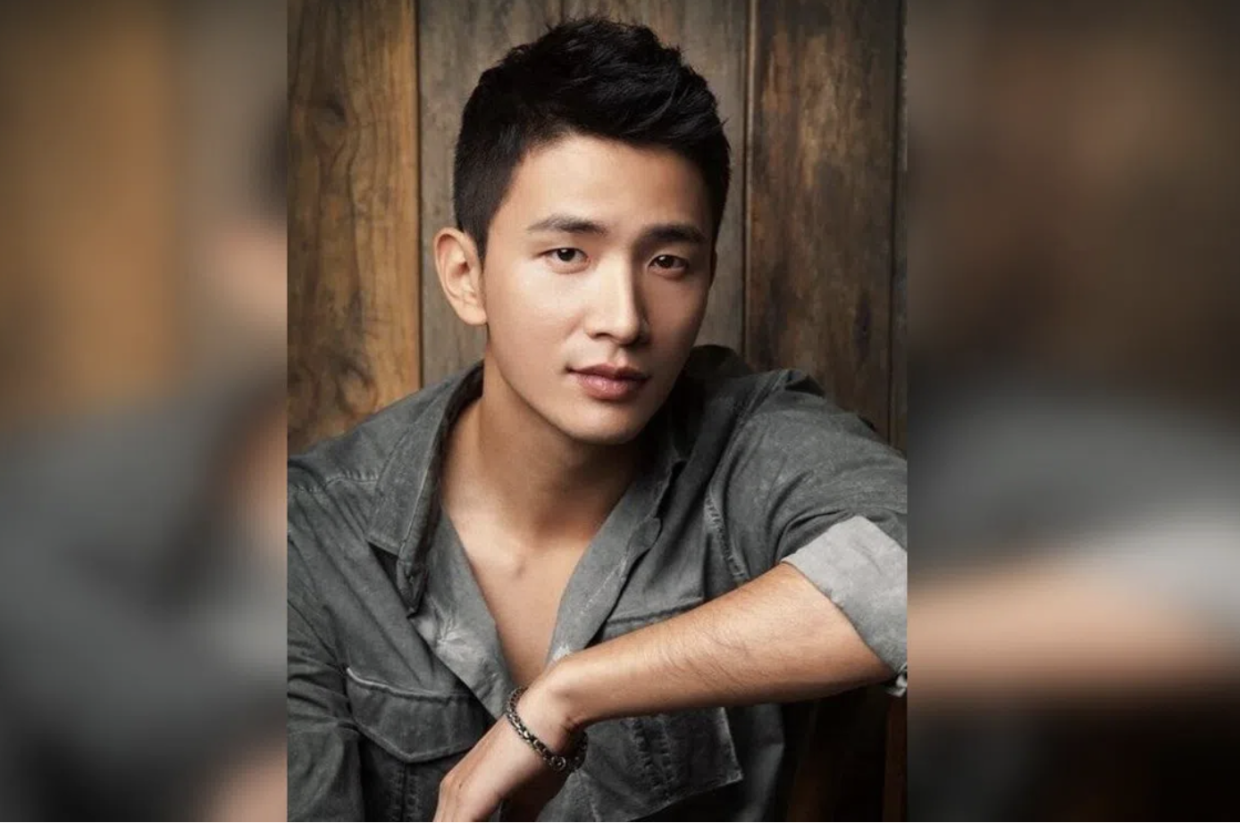
South Korean entertainment has lost one of its supporting pillars with the unexpected death of actor Lee Yong-joo at age 44. The performer, best known for his appearances in the beloved 2006 television drama Princess Hours and the tvN sitcom Blue Tower which ran from 2013 to 2014, succumbed to cardiac arrest on August 29, according to South Korean media reports. A close friend disclosed the news through social media, expressing shock at the sudden passing and calling on fans and colleagues to honour Lee's memory as he embarked on his final journey.
The sudden nature of Lee's death has inevitably drawn focus back to a serious health condition he had disclosed years earlier. In 2013, while promoting Blue Tower, the actor made public his diagnosis of hypertrophic cardiomyopathy, a progressive disease in which the heart muscle thickens abnormally and can significantly impair the organ's function. His openness about the condition reflected the gravity of his situation, as he revealed that medical professionals had recommended his family members undergo screening due to the illness's hereditary characteristics. Lee further disclosed that his mother had similarly battled the same cardiac condition, underscoring the genetic dimension of his health struggles.
Lee's exemption from South Korea's mandatory military service, a requirement that normally applies to all able-bodied male citizens, stemmed directly from his hypertrophic cardiomyopathy diagnosis. Military service in South Korea represents a significant life milestone for men, and exemptions due to serious health conditions are relatively uncommon. The actor's situation illustrated how the medical assessment process intersects with the country's conscription obligations, and his willingness to discuss his exemption publicly helped illuminate the real health consequences that actors and public figures sometimes face behind the scenes.
The career trajectory that established Lee as a recognizable figure in Korean television began not on screen but on the runway. He initially pursued modelling before transitioning into acting, marking his dramatic debut through a supporting role in the 2004 film Doma Ahn Jung-geun. This early cinema work served as a stepping stone toward more substantial television roles that would follow in subsequent years. His progression through the industry demonstrated the typical pathway many Korean entertainment professionals navigate when building their profiles in the competitive Seoul entertainment landscape.
Lee's breakthrough television work came through MBC's Hello, Francesca, which aired from 2005 to 2006 and introduced him to wider audiences. However, his most iconic role arrived through Princess Hours that same period, a historical drama that captured audiences across Asia and established the actor as someone capable of anchoring supporting storylines. In the series, Lee portrayed Jang Kyung, a high school friend of the crown prince character played by Ju Ji-hoon, creating memorable chemistry that contributed to the drama's enduring popularity among fans across Southeast Asia and beyond.
Throughout the late 2000s and 2010s, Lee developed a consistent presence in Korean entertainment through a diverse portfolio of television work. He appeared in the comedy series Unstoppable Marriage in 2007, contributed to the long-running Rude Miss Young-ae franchise which spanned from 2007 through 2019, and took roles in various other productions including The Women's Room, Let's Eat, and My Unfortunate Boyfriend. This breadth of work across different genres and production types suggested an actor well-regarded within the industry and capable of adapting to varied material.
Blue Tower, the tvN sitcom where Lee rose to particular prominence, presented a distinctive narrative element given his real-life circumstances. The production cast him as a new military recruit despite his inability to actually serve in the armed forces owing to his cardiac condition. This ironic plot positioning, where Lee's character navigated military life without the actor himself having experienced genuine military service, became a talking point among viewers who understood the backstory. The programme demonstrated both the Korean entertainment industry's awareness of Lee's situation and its creative willingness to incorporate real-life elements into fictional narratives.
Lee's passing carries particular resonance for Malaysian and Southeast Asian audiences who grew up watching Princess Hours and the subsequent wave of Korean dramas that followed. The series occupied a significant place in the regional television landscape during the mid-2000s, introducing many viewers to Korean entertainment during the early stages of the Korean Wave's expansion across Asia. Lee's contributions to this culturally influential production ensured his name would remain connected to a pivotal moment in regional popular culture history.
The actor's funeral arrangements proceeded according to established South Korean practices, with his wake established at Room 5 of the Bundang Jesaeng Hospital Funeral Hall located in Seongnam, Gyeonggi Province. The funeral procession was scheduled to commence on August 31 at 6.30am, with his burial subsequently taking place at the Seongnam City Funeral Culture Complex. These logistical details, while procedural in nature, marked the formal conclusion of the institutional recognition of his passing and provided an opportunity for colleagues and fans to participate in final tributes.
Lee Yong-joo's death serves as a sobering reminder of the unpredictable nature of serious cardiac conditions and their potential to strike without warning, regardless of an individual's public profile or professional accomplishments. His willingness during his lifetime to discuss his hypertrophic cardiomyopathy diagnosis contributed valuable awareness about hereditary heart conditions and their management. For many Southeast Asian viewers who watched him work across multiple projects over nearly two decades, his passing represents the loss of a familiar presence from the entertainment landscape they helped shape through their viewership and continued engagement with Korean dramas.

