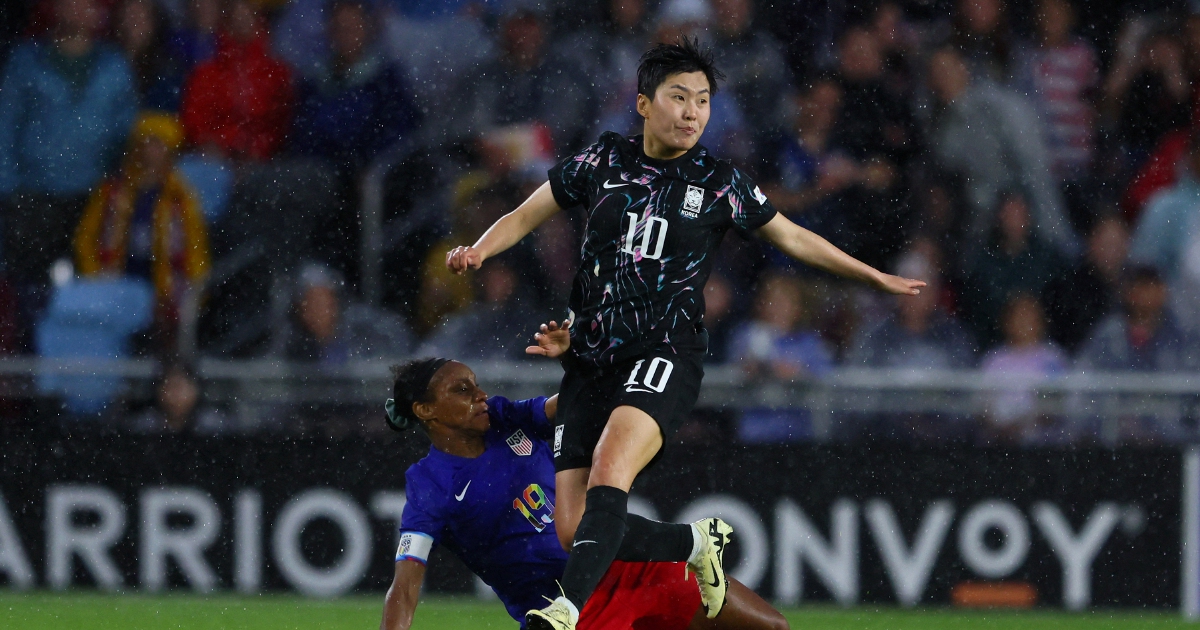
South Korea's women's football governing body initiated a formal inquiry on Monday following claims that a female referee made derogatory remarks regarding menstruation towards Ji So-yun, the internationally recognised footballer who previously played for English club Chelsea, during a domestic league encounter. The investigation represents a significant moment for women's football in the nation as authorities grapple with conduct standards and workplace behaviour on the pitch.
Ji So-yun is one of South Korea's most accomplished footballers and has enjoyed a distinguished career at the highest levels of club and international football. Her presence in the women's game commands respect both domestically and across Asian football circles. The allegation that such language was directed at her by an official responsible for maintaining standards on the field has raised immediate concerns about the culture surrounding women's sport in the country.
The incident occurred during a domestic competition fixture, placing the spotlight firmly on the professional standards expected within South Korea's women's football ecosystem. Domestic league matches serve as crucial development grounds for national team candidates and aspiring professionals, making the conduct of match officials particularly important in setting the tone for appropriate behaviour at all levels of the sport.
Refereeing decisions and conduct have long been subjects of scrutiny in football globally, but this allegation touches on deeper issues of respect and professionalism specifically within women's sport. The nature of the alleged insult—involving personal bodily functions—suggests a dismissive attitude that extends beyond typical match-day friction between officials and players. Such comments can undermine the professional environment that women's football has worked to establish across the region.
The federation's swift announcement of an investigation demonstrates institutional responsiveness to misconduct allegations, yet raises questions about how such incidents have been managed previously. Whether this represents a watershed moment for stricter enforcement of conduct standards or reflects earlier instances of similar behaviour remains unclear. The transparency of the investigation process will likely influence public confidence in governance structures within South Korean women's football.
For Southeast Asian women's football more broadly, the incident serves as a reminder that professionalism gaps exist even in established footballing nations. Malaysia, Thailand, Vietnam, and other regional competitors are increasingly focusing on elevating standards across all aspects of their women's game. How South Korea handles this situation may influence expectations and accountability measures throughout the region's emerging women's football landscape.
The allegation also intersects with broader conversations about gender equality in sport. A comment about menstruation directed at a player during competition implies that biological realities of women's bodies remain subject to mockery or disregard within professional environments. This reflects attitudes that the global women's sports movement has been actively confronting, making South Korea's response particularly watched by advocates for parity and respect in female athletic spaces.
Ji So-yun's stature in the game means this incident attracts attention that might be afforded differently if directed at a lesser-known player. Her experience at top European clubs provides context for expectations of professional standards she has experienced elsewhere. The contrast between international norms and apparent domestic conduct standards may prove uncomfortable for South Korea's football authorities and highlight potential training gaps among match officials.
The investigation process itself will likely examine not only what occurred but also whether reporting mechanisms existed for Ji So-yun and other players to address such behaviour. Effective governance of women's football requires clear pathways for complaints, swift investigation, and proportionate consequences. The outcome will signal whether South Korea treats such allegations as isolated incidents or systemic issues requiring broader cultural change among referees and officials.
Stakeholders across Southeast Asia will monitor this development closely, particularly Malaysia's football community which shares regional competition circuits with South Korea. Women's football continues attracting investment and media attention throughout Asia, making the maintenance of professional standards increasingly important for the sport's credibility and growth. How governing bodies respond to conduct violations shapes perceptions of whether women's football truly operates as a serious professional enterprise.
The investigation represents an opportunity for South Korea's women's football federation to reinforce expectations around respectful conduct, demonstrate that inappropriate behaviour carries meaningful consequences, and set precedent for similar situations elsewhere in Asian football. Whether this becomes a catalyst for broader policy reviews regarding official training, conduct standards, and workplace behaviour in women's football remains to be determined, though the case has already intensified scrutiny of these often-overlooked aspects of administrative responsibility.

