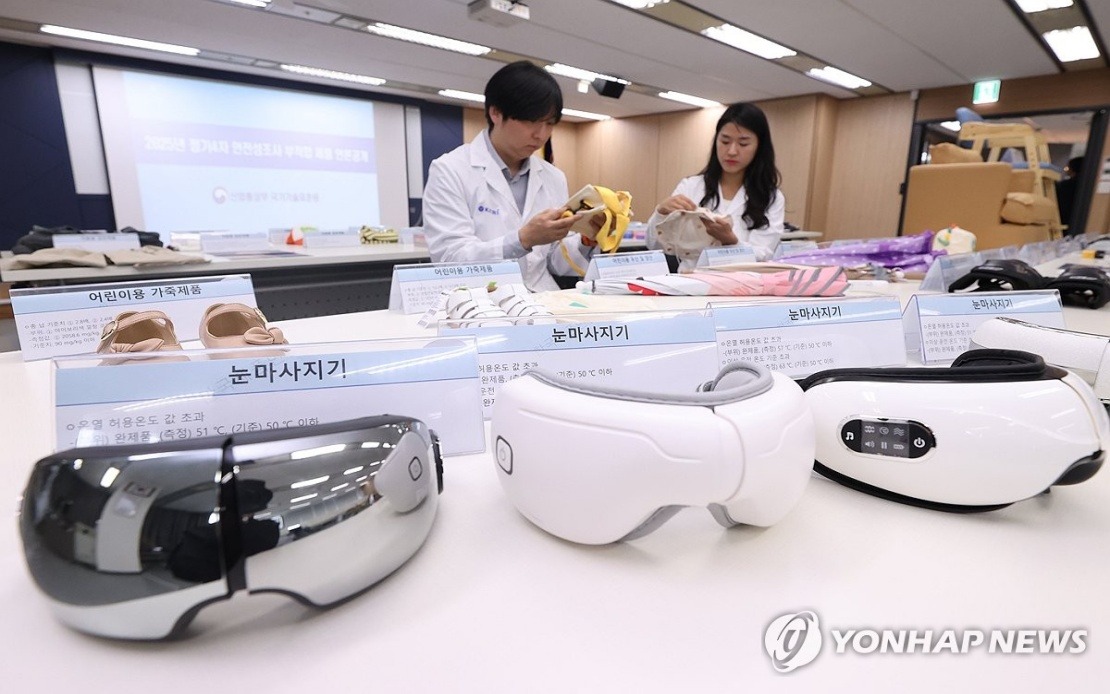
South Korea confronted a mounting consumer protection challenge in 2025 as product recalls climbed to 2,656 cases, marking a 5 per cent increase from the previous year's 2,537 incidents. The escalation reflects deepening anxieties over product safety in an increasingly digital marketplace, where boundaries between domestic and foreign goods have become increasingly porous. The Fair Trade Commission disclosed the figures on Monday, signalling that the nation's consumer watchdog faces intensifying pressure to manage risks emanating from a surge in cross-border commerce and direct overseas purchases by individual consumers.
The spike in recalls represents more than a statistical blip; it underscores a structural vulnerability in how South Korea polices imported consumer goods channelled through online platforms. Among the total recall cases, 851 involved breaches of the Framework Act on Consumers—a 42 per cent explosion compared with the prior year. This dramatic acceleration points to a particular problem: products that had already triggered safety warnings or been pulled from shelves in their countries of origin are being repackaged and resold to South Korean consumers through e-commerce channels with minimal oversight. The phenomenon highlights the disconnect between international product safety standards and the enforcement mechanisms available to Seoul's regulators in an era of borderless digital commerce.
The FTC characterised a recall as corrective action undertaken by manufacturers or distributors to address safety defects that endanger or potentially endanger consumers. Such measures may be initiated voluntarily by companies seeking to protect their reputation, or they may be mandated by government authorities acting on evidence of harm or serious risk. The distinction matters: voluntary recalls often reflect industry self-regulation, whilst government-ordered withdrawals suggest that products have crossed a threshold of danger sufficient to trigger state intervention. The prevalence of consumer act violations among 2025 recalls indicates that many hazardous products were not being identified and removed through market mechanisms alone, requiring formal regulatory action.
The surge in problematic imported merchandise reflects broader structural changes in Southeast Asia's consumer economy. As digital payment systems mature across the region and logistics networks improve, consumers in Malaysia, Thailand, and neighbouring countries increasingly purchase directly from international platforms or use cross-border e-commerce services. South Korea's experience serves as an early warning system: without robust verification protocols, products that fail safety standards abroad can easily find new markets among neighbouring populations hungry for bargains and international brands. Online marketplace operators, operating in a highly competitive environment, face limited incentives to police their vendor networks exhaustively, creating space for unsafe goods to proliferate.
By product category, industrial consumer goods dominated the recall landscape, with 1,282 cases in 2025—an 8.6 per cent rise year-on-year. These items, ranging from household appliances to personal care products, represent the largest source of consumer complaints and regulatory action. Medical devices proved particularly troublesome, with recalls climbing 8.5 per cent to 308 cases, suggesting that equipment intended for health and therapeutic purposes is increasingly subject to safety concerns. This category merits special scrutiny given the potential for defective medical devices to cause direct physical harm or exacerbate existing health conditions.
Pharmaceutical recalls, conversely, declined 13.5 per cent to 295 cases, a development the FTC may interpret as evidence that existing oversight mechanisms for medicines remain more effective than those governing other product categories. However, this relative success in pharmaceuticals should not obscure the vulnerability of the broader import ecosystem. Herbal medicines and dietary supplements, often grouped with pharmaceuticals in regulatory frameworks, represent grey zones where consumer expectations, marketing claims, and actual product composition frequently diverge. South Korea's pharmaceutical recall decrease may reflect tighter controls on licensed pharmacies and regulated importers, yet those same controls do not extend to unregistered sellers peddling similar products through unregulated online channels.
The FTC responded to the recall surge by announcing plans to intensify surveillance operations in coordination with other government agencies. This collaborative approach acknowledges that no single institution possesses sufficient jurisdiction or technical capacity to police the entire landscape of cross-border digital commerce. The watchdog indicated it would work with online marketplace operators to block sales of products previously recalled internationally or identified as posing safety risks through domestic testing regimes. Such partnerships, whilst necessary, depend on the willingness of platform operators to prioritise safety over transaction volume—a willingness that market competition may not naturally encourage.
The strategy of requesting marketplace operators to restrict sales of flagged products represents an evolution in regulatory philosophy in South Korea. Rather than relying solely on after-the-fact enforcement against distributors, the approach attempts to prevent hazardous goods from reaching consumers in the first place. However, the effectiveness of this model hinges on several factors: the accuracy of cross-border product identification, the speed with which regulatory information can be communicated to platform operators, and the capacity of online marketplaces to implement filters and blocking mechanisms across thousands of vendors and millions of listings. In practice, determined sellers can often find workarounds—relisting items under different names, using shell accounts, or migrating to lesser-regulated platforms.
For Malaysian and Southeast Asian consumers, South Korea's experience carries direct implications. As e-commerce platforms operate seamlessly across borders and consumers in the region increasingly purchase from international sellers, the same hazardous goods that plague South Korean marketplaces are simultaneously available in Malaysia, Indonesia, and Thailand. A product recalled in Seoul may still be sold to Malaysian buyers through the same platform operated by the same company. Regulatory fragmentation means that each nation must individually discover and address the same safety problems, duplicating effort and delay. Coordinated regional approaches to product safety standards and online marketplace enforcement remain underdeveloped, leaving consumers in Southeast Asia exposed to risks that have already been identified and managed in more mature markets.
The broader pattern evident in South Korea's data suggests that digital commerce is outpacing regulatory capacity across East and Southeast Asia. The 5 per cent rise in recalls, driven substantially by consumer act violations tied to imported goods, reflects a system in transition. Consumers enjoy unprecedented access to global product variety and competitive pricing, yet lack the visibility or technical means to assess safety compliance. Manufacturers and sellers, meanwhile, operate in a regulatory environment characterised by significant information asymmetries and enforcement gaps. Until governments across the region establish more coordinated and technologically sophisticated mechanisms for monitoring cross-border commerce, consumers will continue to bear disproportionate risk, discovering product defects only after purchase and exposure.

