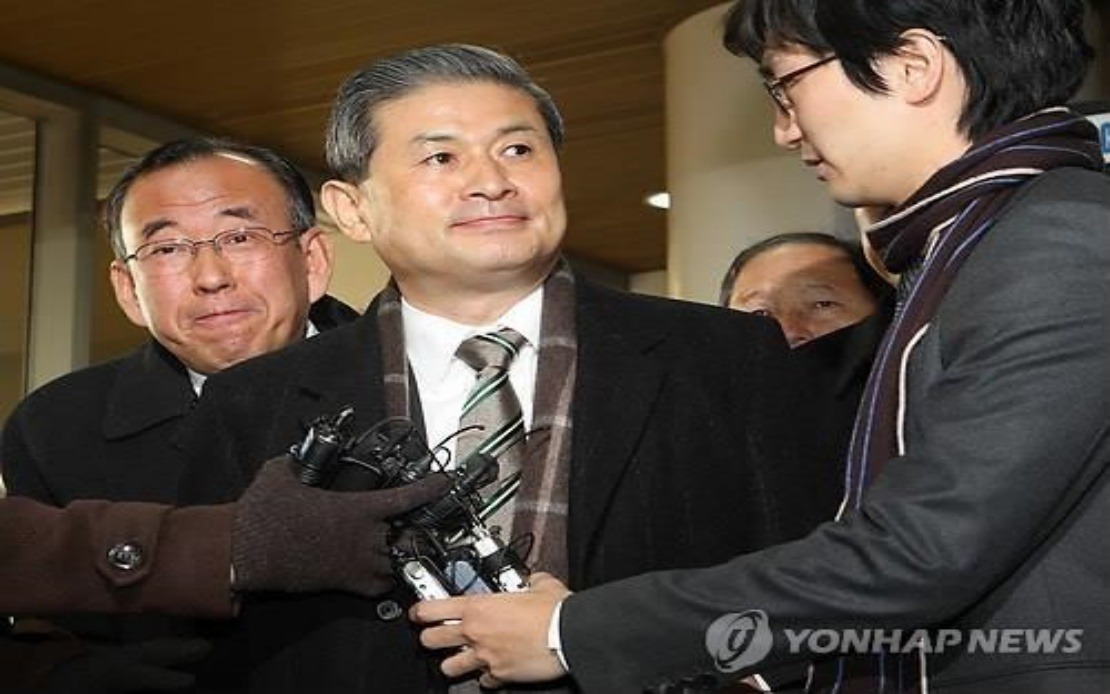
South Korea has formally revoked its highest science and technology award from former Seoul National University professor Hwang Woo-suk, concluding a two-decade saga of scientific misconduct that shook the nation's research community and international standing. The interior ministry completed the revocation process this week, following presidential approval granted on Tuesday, marking the definitive end to a case that had already resulted in one prior revocation attempt in 2020.
The Top Science and Technology Award, a prestigious presidential honour bestowed upon scientists and technologists deemed to have made exceptional contributions to the nation's scientific and technological advancement, was originally conferred upon Hwang in 2004. Along with the award came a monetary prize of 300 million won, approximately US$201,200 at the time. The recognition reflected what appeared to be a landmark achievement in human embryonic stem cell research, a field then capturing global scientific imagination and securing substantial government investment across developed nations.
Hwang's downfall began when scrutiny of his research uncovered systematic fabrication within the work he had submitted to the scientific community. In 2005, investigations revealed that the data underpinning his celebrated claim to have created the world's first cloned human embryo had been forged. This revelation sent shockwaves through South Korea's scientific establishment and damaged the country's international scientific reputation, prompting soul-searching about research oversight mechanisms and ethical standards across the broader academic sector.
Following the exposure of fraudulent data, Hwang was dismissed from Seoul National University in 2006, effectively ending his career in institutional research. The scandal became a cautionary tale about unchecked ambition in science and the dangers of insufficient peer review oversight. It also highlighted how national prestige and scientific integrity can become dangerously intertwined when researchers operate under intense pressure to deliver breakthroughs that elevate their country's global standing.
The government's first attempt to revoke the award occurred in 2020, reflecting a delayed but necessary administrative response to the scientific misconduct. However, that revocation action was subsequently challenged in court on procedural grounds. A judicial determination found that the 2020 revocation process had not adhered to proper administrative procedures, creating a legal vulnerability that required the government to undertake the revocation process anew. This legal complication explains the apparent delay and the need for the science ministry to formally request revocation from the interior ministry in March of this year.
The current revocation process followed established protocol more carefully, with the science ministry submitting its formal request to the interior ministry, which then secured presidential approval before implementation. The deliberate adherence to proper procedures suggests officials sought to ensure that this final revocation would withstand any future legal challenge, effectively closing a chapter that has remained open through legal technicalities.
For Malaysian readers and the broader Southeast Asian scientific community, the Hwang case remains instructive as nations across the region invest heavily in biotechnology and stem cell research capabilities. South Korea's experience demonstrates that scientific prestige cannot be built on fabricated research, regardless of how desperately nations may seek to accelerate technological advancement or international recognition. The case also illustrates the critical importance of robust peer review systems, independent oversight mechanisms, and ethical frameworks that protect the integrity of the research enterprise itself.
The revocation of Hwang's award sends a signal that even the highest national honours come with the expectation of absolute honesty and adherence to scientific standards. For researchers in Southeast Asia and globally, the message reinforces that short-term gains from fraudulent claims ultimately result in career destruction, institutional damage, and lasting reputational harm to one's country. The two-decade arc from celebrated researcher to cautionary tale demonstrates that scientific misconduct eventually comes to light and carries consequences that extend far beyond individual punishment.
South Korea's handling of this resolution also reflects a maturing approach to administrative accountability. Rather than allowing the matter to remain entangled in legal procedures, the government prioritized proper implementation of the revocation, ensuring that the nation's highest science award maintains its integrity and credibility. This approach strengthens public confidence that the award genuinely reflects scientific merit and ethical conduct, rather than serving as a symbol that can be undermined by later discoveries of fraud.

