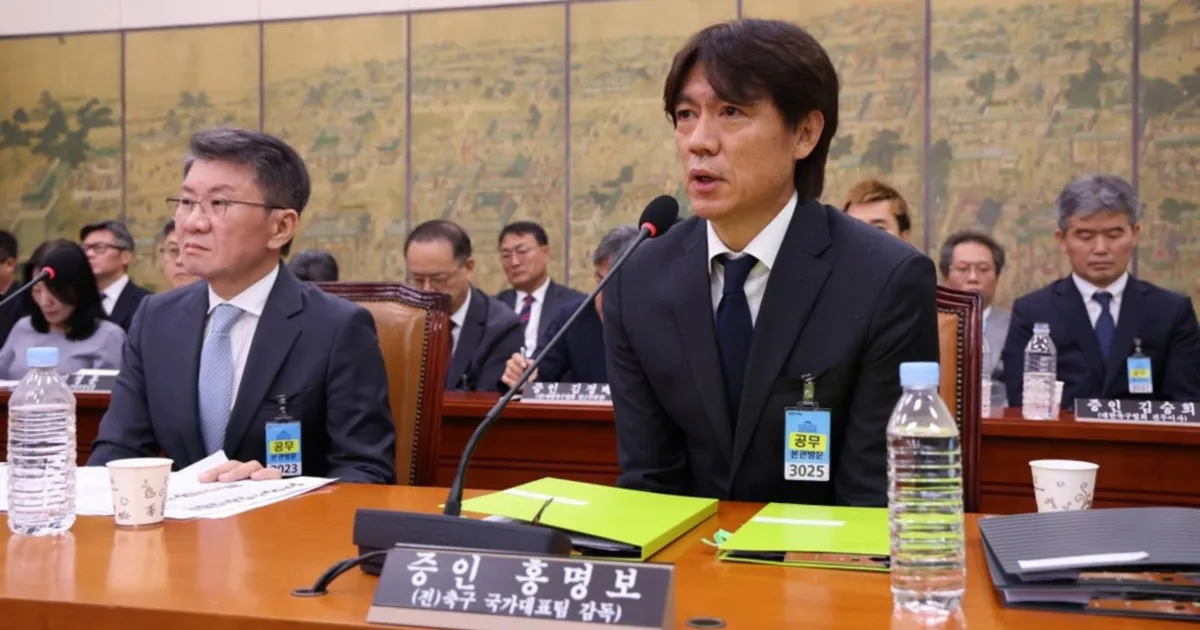
South Korean law enforcement has conducted a raid on the Korea Football Association (KFA) as part of an escalating inquiry into the circumstances surrounding Hong Myung-bo's appointment as national team coach. The investigation centres on allegations that officials engaged in obstruction of business practices during the selection process, an accusation that has cast a shadow over one of Asia's most prominent football organisations.
The timing of the police operation reflects growing public and institutional concern about how the KFA handled its coaching transition. Hong Myung-bo, a legendary defender who won the World Cup with South Korea in 2002, was appointed to revive the team's fortunes following a performance many in the country regarded as catastrophically inadequate. Rather than marking a fresh chapter for Asian football's most successful recent nation, however, his appointment has become entangled in controversy.
The disastrous World Cup campaign that preceded this appointment set the stage for institutional turbulence within South Korean football. The national team's failure to progress as far as stakeholders anticipated generated significant backlash from fans, media commentators, and government officials alike. South Korea has long positioned itself as a regional football powerhouse with genuine aspirations at world tournaments, making poor results particularly damaging to national sporting pride and institutional credibility.
Obstruction of business is a serious legal charge in South Korea's corporate regulatory framework, suggesting that investigators have found evidence of deliberate interference with proper administrative procedures. The allegation implies that figures within the KFA may have circumvented established protocols or suppressed information that should have been disclosed during the coaching selection process. Such practices, if substantiated, would represent a significant breach of governance standards expected within major sports organisations.
The police raid represents an extraordinary intervention in sports administration, indicating that matters have escalated beyond internal KFA review or routine governance inquiries. South Korean law enforcement typically becomes involved in such cases only when evidence suggests criminal wrongdoing rather than simple administrative irregularities. This suggests the investigation has uncovered what authorities consider actionable violations requiring police-level scrutiny.
Hong Myung-bo's profile makes this situation particularly sensitive. As a celebrated figure from South Korea's 2002 World Cup victory, he carries substantial symbolic weight in the country's sporting consciousness. His appointment was intended to leverage his experience and reputation to restore credibility to the national programme. The emergence of controversy surrounding how he obtained the position undermines this objective and creates a paradoxical situation where the answer to one institutional crisis has itself become problematic.
The investigation highlights broader governance challenges affecting sports administration across East Asia. Major football associations operate at the intersection of government influence, corporate sponsorship, media scrutiny, and genuine athletic excellence, creating environments where institutional practices may deviate from proper procedure. South Korea's decision to involve police investigators suggests authorities take such deviations seriously rather than treating them as inconvenient internal matters.
For Malaysian and regional readers, this situation illustrates the pressures facing major national football associations. Like South Korea, Malaysia and other Southeast Asian nations invest significant resources in football development with expectations of competitive success. When campaigns disappoint and subsequent administrative decisions attract scrutiny, the resulting institutional disruption extends far beyond sport itself, affecting national reputation and public confidence in organisational competence.
The KFA's reputation for organisational sophistication has been fundamental to South Korea's influence within Asian football governance and FIFA structures. Investigative developments that undermine confidence in the association's administrative integrity carry consequences beyond immediate sporting outcomes. International partners and regional organisations may recalibrate their assessments of the KFA's reliability as collaborator and stakeholder in broader football development initiatives.
The investigation also raises questions about transparency in elite coaching appointments across professional football. Major national teams represent not merely sporting enterprises but repositories of national aspiration and cultural investment. Citizens reasonably expect that selection processes for coaches managing such programmes operate according to published protocols and proper governance standards rather than through informal arrangements or procedurally questionable mechanisms.
As the investigation proceeds, outcomes will likely establish important precedents for how sports authorities in the region handle governance controversies. Whether findings result in disciplinary action against specific officials, substantive organisational reforms, or changes to KFA procedures will influence how peer organisations approach similar situations. The case demonstrates that even high-profile figures with established sporting credentials cannot insulate coaching appointments from institutional accountability.
The episode underscores a fundamental reality confronting modern sports administration: results matter, but so too do the systems through which institutions make critical decisions. South Korea's willingness to subject a significant appointment to police-level scrutiny reflects commitment to procedural integrity despite immediate sporting pressures. For regional football communities watching this case unfold, it offers both a cautionary reminder about governance risks and potential validation of the importance of maintaining rigorous institutional standards.

