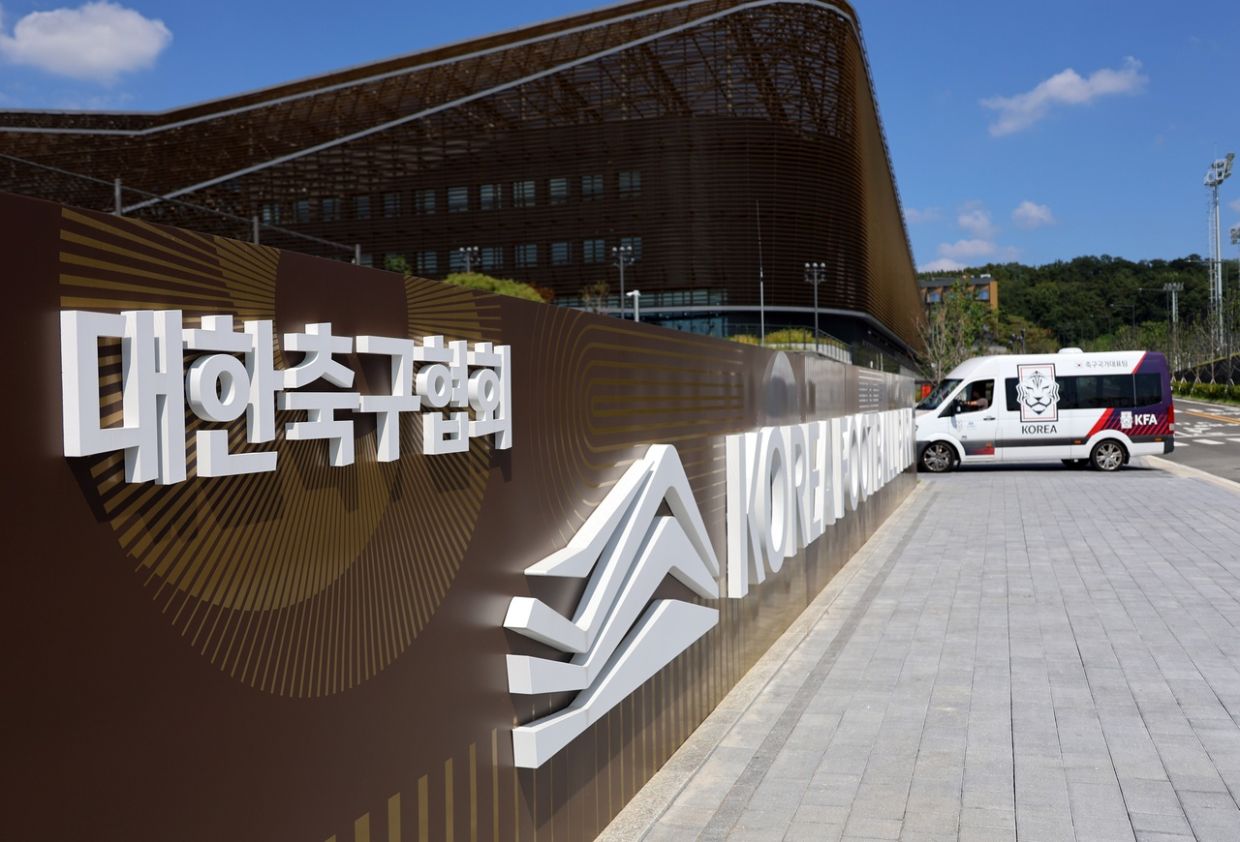
The Korea Football Association's escalating sex bribery scandal has now crossed national borders, drawing Japan into investigations just hours after the KFA issued a formal apology. The Japan Football Association announced Sunday that it is examining four Japanese referees who may have received improper entertainment from the South Korean football body, marking a significant expansion of a controversy that initially appeared confined to Seoul's governance crisis.
The August 9 disclosure by the JFA signals that the reputational damage from the alleged misconduct extends well beyond South Korea's domestic sporting apparatus. Japanese media outlets reported that the association intends to complete its examination and publish findings once the review concludes. This international dimension adds geopolitical overtones to what was already shaping as a major institutional crisis for South Korean football, raising questions about how thoroughly compromised Asian football governance structures may be and whether similar arrangements occurred elsewhere across the region.
The underlying allegations emerged from a 2016 government audit that lay dormant until resurfacing in August when investigative journalists at JTBC uncovered details of the KFA's conduct. According to documentation from South Korea's Ministry of Culture, Sports and Tourism, the football association deployed corporate credit cards to bankroll entertainment at massage establishments targeting approximately ten foreign referees and match commissioners. These payments supposedly occurred across eight separate occasions connected to seven matches contested on South Korean soil between March 2011 and March 2012, encompassing three World Cup and Olympic qualification fixtures alongside four international friendlies.
The national team's record during this disputed period—five victories, two draws, and no defeats—inevitably triggered speculation about whether officiating decisions had been manipulated to favour the home side. Such suspicions, though unproven, strike at the fundamental integrity that underpins international sporting competition. However, South Korean football officials have consistently denied that results were influenced by improper entertainment arrangements, characterising the payments as lapses in judgment rather than evidence of systematic match-fixing schemes.
The KFA's delayed response to mounting public and political pressure culminated in a Saturday apology following days of escalating controversy. The association faced a parliamentary hearing examining its administrative practices alongside a police raid on its headquarters connected to a separate governance dispute centring on the 2024 appointment of former national team manager Hong Myung-bo. In its statement, the KFA acknowledged causing disappointment and concern while explicitly rejecting the conduct outlined in the audit, committing itself to comprehensive institutional reforms aimed at restoring public confidence and transparency across its operations.
Japanese media investigations have revealed the identities of at least two referees central to the allegations, including one individual who currently holds a senior position within JFA administrative structures overseeing J-League officials. A second referee helmed the four-member all-Japanese officiating crew for South Korea's 2012 World Cup qualifying victory over Kuwait, a match that the 2016 audit specifically identified as involving entertainment payments directed at match officials. Japanese sports commentators have cautiously noted that merely officiating a match provides no definitive proof that an individual referee personally accepted or benefited from entertainment offerings.
The possibility of FIFA disciplinary action has circulated through international sports commentary, with some outlets speculating about potential sanctions and institutional governance reforms. However, football governance experts suggest that formal FIFA penalties remain unlikely given the temporal distance from the alleged conduct and the limited scope of applicable regulations. FIFA's ethics framework typically enforces statute of limitations ranging from five to ten years for most misconduct categories, and the allegations likely fall outside the narrower unlimited category reserved for sexual abuse or exploitation cases. Additionally, most referees implicated in the scandal have since retired from professional officiating, further complicating any enforcement mechanism.
A parallel South Korean criminal investigation into the matter was previously discontinued due to insufficient evidence, reflecting both the inherent difficulty in prosecuting historical sporting misconduct and the apparent reluctance of authorities to pursue aggressive accountability measures. This backdrop underscores how institutional sporting bodies across Asia may have operated with considerable impunity regarding ethical boundaries, particularly when overseas officials were involved and cases involved payments rather than direct coercion. The scandal illuminates structural vulnerabilities in Asian football governance where financial inducements could be characterized as discretionary administrative expenses rather than corruption.
For Malaysian sports followers and regional observers, the unfolding controversy carries broader implications about the credibility of competitions throughout Asia's football landscape. If South Korean football authorities engaged in systematic entertainment of foreign officials, the question naturally arises whether comparable arrangements occurred during qualification matches involving other nations or at tournaments hosted across Southeast Asia. The case demonstrates how institutional drift—where improper practices gradually become normalized within organizational cultures—can undermine the integrity of regional and international sporting bodies before such conduct becomes public knowledge through investigative journalism or bureaucratic disclosure.
The expansion into Japan signals that transparency and accountability mechanisms within Asian football remain fragmented and reactive rather than proactive. Japan's investigation suggests that the JFA recognized reputational risks from association with compromised officiating, yet the delayed discovery of the scandal itself points to insufficient cooperative oversight frameworks among national football associations. Moving forward, Southeast Asian football bodies may face heightened scrutiny regarding their own compliance procedures, particularly regarding foreign officials and match administration, as regional sporting institutions grapple with questions about which other historical conduct might await exposure.

