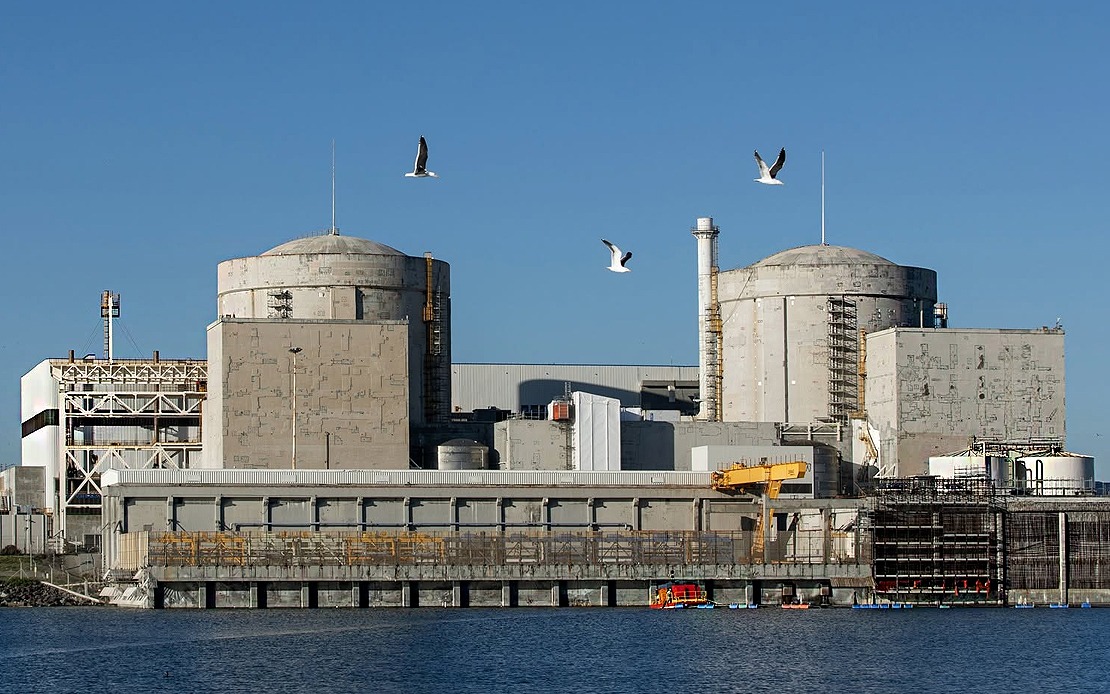
South Africa's Energy Minister Kgosientsho Ramokgopa disclosed on Sunday that several workers at the Koeberg Nuclear Power Station sustained radiation exposure during three separate maintenance incidents spanning late June through early July. The incidents occurred on June 30 and July 2 and 7 at the facility situated approximately 30 kilometres north of Cape Town, one of the country's major industrial and population centres.
According to Ramokgopa's statement to media, authorities have thoroughly contained each incident and detected no release of radioactive material into the surrounding environment. He emphasised that residents in nearby communities faced no health threat from the exposures, a reassurance likely intended to address potential public alarm given nuclear energy's sensitivity in public discourse. The minister characterised the situation as manageable and well within established safety protocols.
The root cause of the three incidents traces to a temporary interruption in electrical power supply that compromised the plant's ventilation systems, equipment essential for maintaining safe atmospheric conditions within nuclear facilities. When ventilation fails, isolation of radioactive materials becomes more difficult, creating conditions where worker exposure becomes a concern. The power disruption highlighted a potential vulnerability in the plant's operational resilience, raising questions about redundancy in critical safety systems.
Regarding radiation dosage levels, Ramokgopa offered a public health perspective by comparing the absorbed doses to exposure from a routine dental X-ray examination—a common reference point that helps non-specialist audiences grasp the scale of radiation involved. This comparison suggests the exposures remained well below dangerous thresholds, though the specific dosage figures and number of affected workers were not disclosed. Velaphi Ntuli, heading South Africa's nuclear safety division, stated that none of the incidents crossed the threshold required for formal reporting as significant nuclear safety events under regulatory frameworks.
This disclosure arrives amid South Africa's broader energy transformation strategy. The government has committed to expanding nuclear generating capacity by 5.2 gigawatts by 2039, a substantial addition to current infrastructure designed to diversify the electricity supply portfolio and reduce dependence on coal-fired generation. The Koeberg incidents may complicate public confidence in such expansion plans, particularly as communities debate the risks and benefits of nuclear technology.
South Africa's electricity sector has endured years of severe strain. Rolling blackouts and supply constraints have crippled industrial productivity, disrupted households, and constrained economic growth. The energy crisis stems partly from aging coal plants and insufficient investment in generation capacity over recent decades. Nuclear power represents an important component of the government's response, offering reliable baseload electricity without carbon emissions.
The country's current electricity generation profile remains overwhelmingly coal-dependent, a legacy of decades of fossil fuel-based development. However, policymakers have articulated an ambition to transition away from coal entirely, aiming to source the majority of South Africa's electricity from non-fossil sources by 2050. This net-zero trajectory requires rapid deployment of nuclear, wind, and solar generation, making nuclear expansion strategically central to achieving climate and energy security objectives.
For Malaysia and the broader Southeast Asian region, the Koeberg incidents offer instructive lessons. As several nations in the region explore or expand nuclear energy to meet rising electricity demand and climate commitments, the South African experience underscores the importance of robust maintenance protocols, redundant safety systems, and transparent communication during incidents. Public trust in nuclear energy depends critically on demonstrated operational excellence and regulatory credibility.
The incidents also highlight operational challenges inherent in aging nuclear facilities. Koeberg has operated since the 1980s, and maintaining complex safety systems across decades requires sustained investment and vigilant management. As the facility ages, the frequency of maintenance events may increase, potentially raising the statistical likelihood of exposure incidents unless engineering improvements offset wear and degradation.
South Africa's willingness to expand nuclear capacity despite the Koeberg incidents reflects confidence in the technology's safety record and necessity within its energy strategy. However, future incidents—particularly any involving environmental release or more significant worker exposure—could galvanise public opposition and complicate regulatory approval for new projects. The government's transparency in disclosing these incidents represents a positive approach to maintaining institutional credibility, though critics may question whether all relevant details have been fully disclosed.
For Malaysia's energy policy deliberations, the South African case demonstrates that nuclear expansion requires not only long-term financial commitment and technological expertise but also sustained regulatory vigilance and public engagement. The balance between expanding nuclear capacity and maintaining rigorous safety standards will define whether such investments deliver the reliable, low-carbon electricity supply that energy-stressed nations seek.

