Parliament has received the Social Work Profession Bill 2026, a significant legislative milestone that formally recognises the social work profession in Malaysia for the first time. The Malaysian Association of Social Workers (MASW) has hailed the tabling as transformative for thousands of practitioners nationwide whose expertise and dedication to vulnerable populations will now enjoy legal standing and professional protection.
The bill represents the culmination of sixteen years of sustained effort within the social work sector. Development of the proposed legislation commenced in 2010, drawing upon the collective knowledge of MASW leaders, academic educators, and field practitioners from both government and non-government organisations. These stakeholders collaborated extensively with a dedicated Technical Committee and Special Project Team to craft legislation that genuinely reflects the profession's requirements and addresses the broader needs of Malaysian society.
Dr Teoh Ai Hua, president of MASW, emphasised the profound significance of this development for Malaysia's commitment to its citizens. He stated that the bill affirms the principle that protecting, promoting and safeguarding the wellbeing and dignity of all Malaysians demands a workforce that is demonstrably competent, bound by rigorous ethical standards, and recognised professionally by law. This formal acknowledgement carries implications extending far beyond symbolic value, establishing accountability mechanisms and quality assurance frameworks for social work practice across the nation.
The recognition accorded through this legislation will position Malaysian social work in alignment with international best practices and established global frameworks. The bill directly addresses standards articulated in the Ha Noi Declaration on Strengthening Social Work towards a Cohesive and Responsive ASEAN Community, adopted in 2020, and incorporates principles from the Global Standards for Social Work Education and Training developed collaboratively by the International Association of Schools of Social Work and the International Federation of Social Workers. This alignment strengthens Malaysia's standing within the region and facilitates enhanced cooperation on social welfare challenges affecting Southeast Asia.
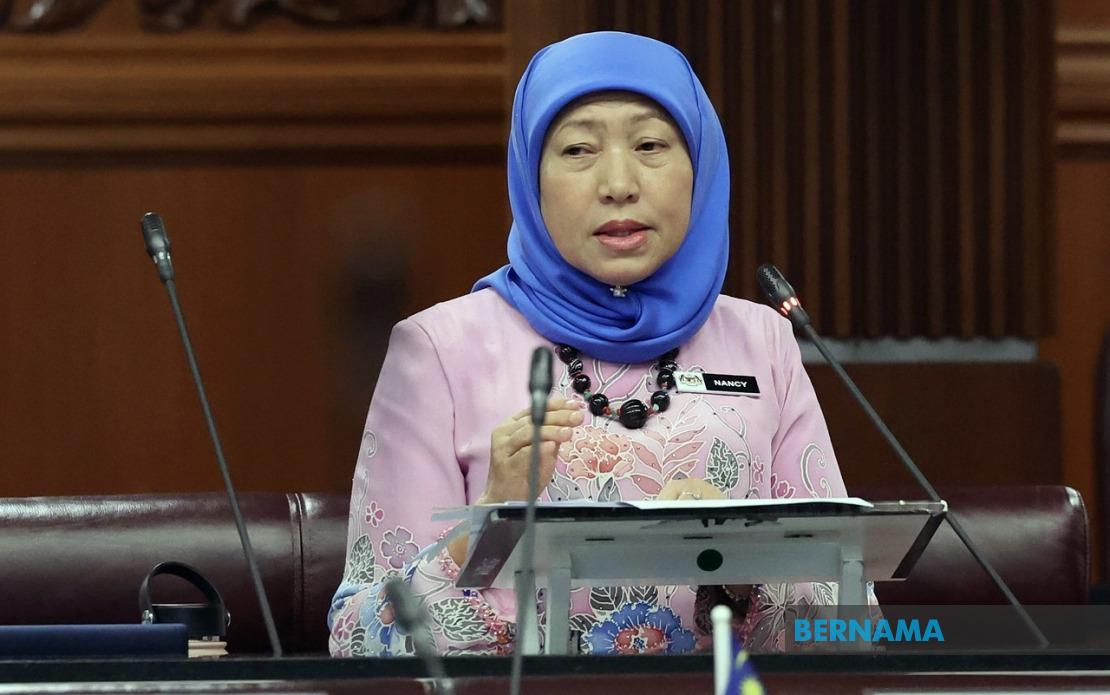
Women, Family and Community Development Minister Datuk Seri Nancy Shukri has earned particular commendation from MASW for her ministry's sustained advocacy and commitment to advancing this legislation through Parliament. The ministerial backing reflects broader governmental recognition that professionalising the social work sector constitutes a strategic investment in national social cohesion and community resilience. This political support proves essential for overcoming legislative hurdles and ensuring the bill progresses through parliamentary procedures efficiently.
Dr Mohd Iqbal Haqim Mohd Nor, MASW vice-president, characterised the bill's tabling as transforming years of persistent professional advocacy into concrete institutional change and genuine optimism for the sector's future. The profession has long operated without formal legislative recognition, a gap that has constrained social workers' authority, limited their professional autonomy, and complicated their efforts to establish unified standards across diverse employment settings. The pending legislation promises to rectify these structural deficiencies.
Parliamentary approval alone will not complete the reform process; meaningful implementation demands collaborative engagement from all stakeholders. Amy Bala, MASW honorary secretary, appealed to Members of Parliament to give the bill substantive consideration and to participate in thorough parliamentary deliberations that will strengthen its substantive provisions and operational mechanisms. Beyond legislative passage, successful implementation requires adequate allocation of financial resources, transparent oversight mechanisms, and systematic coordination among government ministries, educational institutions, and professional bodies.
For Malaysian social workers employed across diverse settings—hospitals, schools, prisons, child protection agencies, elderly care facilities, and community organisations—the bill signifies long-overdue professional validation. Many practitioners hold tertiary qualifications and possess sophisticated expertise in trauma-informed practice, family dynamics, community development, and complex case management. Yet their professional status has remained ambiguous and often undervalued compared to other regulated professions. Legislative recognition should enhance recruitment and retention within the profession, particularly as Malaysia confronts rising social challenges including family fragmentation, mental health crises, and vulnerable population growth.
The bill's provisions are anticipated to establish a regulatory body responsible for setting education standards, maintaining a professional register, establishing ethical codes, and managing disciplinary procedures. Such mechanisms are fundamental to protecting vulnerable individuals who engage with social services and ensuring that professional standards remain consistent across Malaysia's diverse geographical and demographic landscape. Rural and urban areas will benefit from clearer accountability frameworks and enhanced professional oversight.
Regional implications extend beyond Malaysia's borders. As ASEAN nations increasingly prioritise social protection system development, Malaysia's legislative framework could serve as a reference model for neighbouring countries seeking to professionalise their own social work sectors. Enhanced cross-border cooperation in social work practice becomes feasible once Malaysia establishes formal professional standards, potentially facilitating personnel mobility and knowledge exchange throughout the region.
The pathway forward requires collective commitment from parliamentary representatives, government agencies, MASW and its members, educational institutions offering social work programmes, and non-governmental organisations employing social workers. The bill's successful passage and implementation will demonstrate Malaysia's serious commitment to elevating social protection beyond ad-hoc interventions towards systematic, professionally managed, and legally accountable service delivery. For Malaysian communities facing vulnerability, disadvantage, and crisis, this legislative recognition of social work finally provides a platform for enhanced, more effective support.

