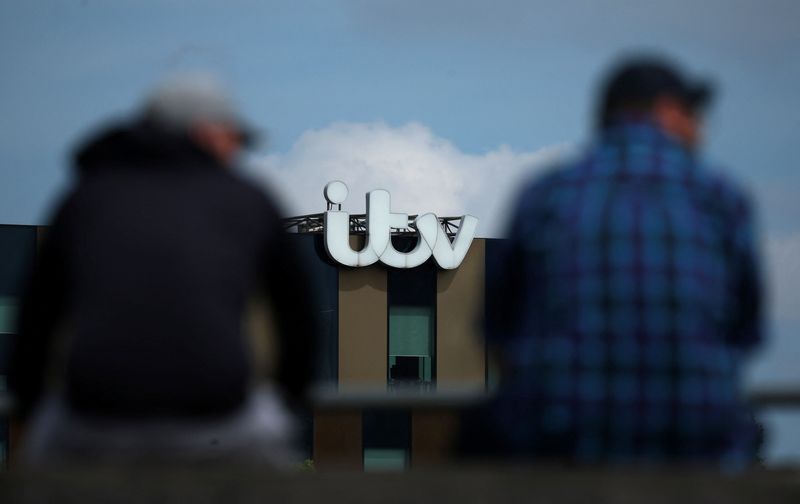
Comcast's Sky has agreed to acquire the broadcast channels and streaming service of ITV, Britain's most prominent free-to-air commercial broadcaster, in a transaction valued at £1.6 billion ($2.13 billion). The deal, announced on Monday, represents one of the most significant moments in British broadcasting history and reflects the industry's urgent need to consolidate and strengthen its competitive position against dominant global streaming platforms such as Netflix, Amazon and Disney.
Sky Chief Executive Dana Strong characterised the transaction as transformative for the media landscape, signalling that the merged entity would continue delivering quality British content whilst positioning itself to thrive in an increasingly digital world. The combined company is expected to maintain ITV's traditional role as a public service broadcaster whilst leveraging Sky's substantial subscriber base and distribution capabilities to create a formidable media organisation. However, the arrangement will require regulatory approval, with Culture Minister Lisa Nandy and competition authorities certain to scrutinise the merger given its market implications.
The consolidation highlights how profoundly the television industry has shifted. Just a decade ago, such a combination would have faced insurmountable regulatory barriers. The emergence of YouTube, Netflix, Amazon Prime Video and other streaming services has fundamentally disrupted traditional broadcasting economics, forcing conventional broadcasters to reconsider their competitive strategies. ITV has particularly struggled, with its share price declining 36 percent over the past five years as advertisers increasingly shifted spending to digital platforms and younger audiences abandoned traditional television for online content.
Regulators will closely examine the merger's impact on media competition and advertising markets. Industry analysts have calculated that the combined entity would control more than 70 percent of the UK television advertising market, a concentration that may trigger conditions or remedies. To address potential regulatory concerns, Sky may be required to divest its third-party advertising sales arrangements, including contracts with Paramount-owned Channel 5, which currently contribute to the company's dominant market position. Such conditions could meaningfully alter the deal's financial and strategic value.
The timing of this transaction suggests a shifting regulatory environment. The British government has signalled its intention to prioritise economic growth and investment, potentially creating a more receptive climate for consolidation that might previously have been prohibited. Culture Minister Nandy recently indicated her willingness to intervene in media transactions involving international players, demonstrating that regulatory decisions will remain subject to political considerations around British media ownership and control. The treatment of the Sky-ITV deal will therefore signal how regulators balance competition concerns against the strategic imperative for domestic media companies to achieve sufficient scale.
Under the transaction structure, ITV will receive £1.2 billion in immediate cash consideration, plus an earn-out arrangement potentially worth up to £200 million based on advertising performance during the 2027 financial year. Additionally, ITV will acquire Love Productions, the independent production company behind the highly successful "The Great British Bake Off" format, which will integrate with ITV Studios. This arrangement allows ITV to transition into a dedicated production business whilst remaining operationally independent, creating programming for the combined Sky-ITV platform as well as competing broadcasters and streaming services internationally.
The merged company will serve approximately 20 million households across the United Kingdom and represent a comprehensive British broadcasting powerhouse. The parent company has committed to investing a minimum of £2.1 billion in programming and infrastructure during 2028-2032, demonstrating its confidence in the combined entity's ability to produce and distribute compelling content. This investment commitment partially addresses government and public interest concerns that consolidation might lead to reduced programming investment or quality.
ITV's transformation into a production-focused business is strategically significant for the creative industries. The company currently produces acclaimed programmes including "Love Island" and the long-running drama "Coronation Street," whilst also manufacturing international content such as "Rivals" for Disney and "The Reluctant Traveller" for Apple TV. By separating production from distribution, ITV Studios can operate independently and serve multiple clients across both traditional broadcasters and streaming platforms, potentially preserving production jobs and creative diversity despite the merger.
Sky's parentage reflects broader structural changes in global media ownership. Rupert Murdoch founded the company in 1989 and his family maintained operational control for decades, establishing Sky as a dominant European pay-television operator. Comcast acquired Sky in 2018, and the American telecommunications and media conglomerate announced in June that it would separate its media assets, including NBCUniversal and Sky, from its cable business. This spinout reflects intense pressure from streaming competitors and changing consumer preferences, forcing traditional distribution-focused companies to reorganise and seek strategic partnerships.
For Malaysian and Southeast Asian media companies and investors, this transaction carries important implications. It demonstrates how traditional broadcasters worldwide are responding to streaming competition by consolidating market presence and production capabilities rather than attempting to compete individually. The outcome of regulatory scrutiny in Britain will influence how other countries approach similar consolidation proposals. Additionally, the transaction highlights the increasing importance of local production capabilities for global platforms, as the merged Sky-ITV entity's programming will feed not only domestic audiences but also international distribution agreements.
The deal also illustrates how government industrial policy increasingly shapes media ownership. The British government's emphasis on growth and investment, combined with ongoing concerns about media plurality and foreign ownership, creates a complex regulatory environment where competition law interacts with cultural and strategic objectives. The final approval of Sky-ITV will therefore reflect broader debates about media ownership, British cultural production and the appropriate role of regulation in supporting domestic industries against international competitors.
Market reaction has been relatively positive, with ITV shares rising 0.5 percent to 82 pence following the announcement, though the stock's significant underperformance over five years reflects deep structural challenges facing traditional broadcasting. Investors remain uncertain whether consolidation alone can restore sustainable profitability, particularly as advertising revenue continues migrating toward digital platforms. The merged entity's success will therefore depend not simply on achieving scale, but on innovating business models and content strategies sufficient to compete effectively in a fundamentally transformed media environment.

