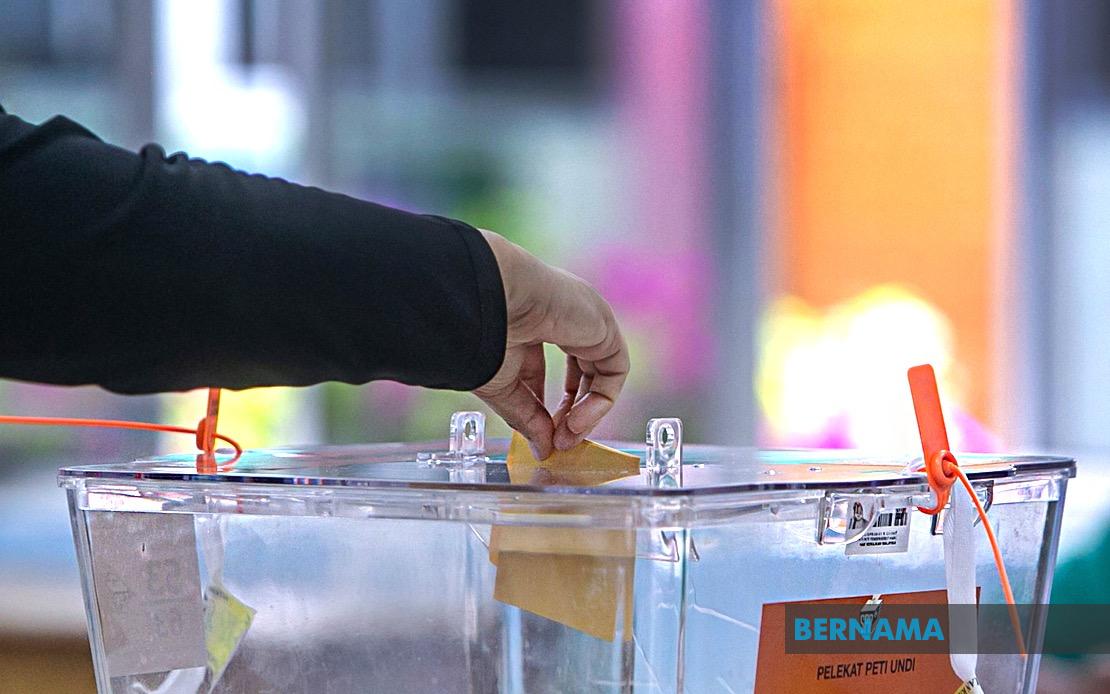
The Ministry of Youth and Sports has moved to remove barriers preventing young trainees from exercising their electoral rights, directing all Youth and Sports Skills Training Institutions across the country to accommodate students needing time away to vote in upcoming general elections, state contests or by-elections.
This directive represents an acknowledgment that democratic participation and vocational training need not be in conflict. The ministry's Youth Skills Development Division has circulated formal guidance to all institution directors outlining the framework for processing such applications, signalling a commitment to ensuring no student must sacrifice their civic duty to continue their studies.
Central to the policy is the recognition that voting constitutes a fundamental expression of citizenship. Ministry officials emphasised that each ballot cast carries weight in shaping national direction, and young people undergoing skills development should not face impossible choices between their training commitments and their democratic responsibilities. This framing positions electoral participation as integral to nation-building rather than peripheral to it.
The approval process, while structured, contains flexibility designed to accommodate genuine need. Institutions must evaluate requests by considering the distance between the training facility and a student's designated polling centre, the realistic travel time required for the journey home and back, and whether the absence can be accommodated without severely disrupting the training curriculum. This assessment-based approach prevents blanket rejections while maintaining institutional integrity.
Students wishing to take advantage of this allowance must submit formal applications through their institution's management, requiring advance notice rather than last-minute requests. This procedural requirement serves multiple purposes: it gives training directors time to plan scheduling around anticipated absences, allows students to arrange transport methodically rather than hastily, and creates an auditable record preventing abuse of the privilege.
The ministry has emphasised that the final decision rests with individual institution directors, decentralising authority while maintaining accountability. Each director retains discretion to approve or deny requests based on specific circumstances at their facility, balancing student rights against operational necessities. This delegation reflects trust in institutional leadership while acknowledging that one-size-fits-all policies often fail in practice.
Further, the ministry has instructed institutions to proactively communicate with eligible student voters well ahead of polling day. Early notification allows interested students to lodge applications with confidence rather than scrambling at the last moment, facilitating smoother coordination of travel plans and reducing logistical friction. This preventative communication approach demonstrates sophisticated policy design focused on removing obstacles to participation rather than simply providing formal permission.
For Malaysia's young population, this development carries particular significance. Youth engagement in electoral processes remains variable across the nation, and policies removing practical impediments to voting can meaningfully influence participation rates. Trainees at ILKBS facilities represent a substantial cohort of school-leavers gaining vocational credentials, many voting for the first time or recently enrolled on electoral rolls. Normalising their participation during their formative years may establish voting as routine civic practice.
The directive also signals broader governmental positioning on youth agency. By treating student voters as active stakeholders in democracy rather than obstacles to institutional efficiency, the ministry implicitly endorses youth political engagement. This messaging, particularly when reinforced through formal policy, shapes cultural attitudes toward young people's democratic participation and their perceived legitimacy as citizens with valid political voices.
Institutionally, compliance appears straightforward, as the framework provides clear guidelines without imposing undue administrative burden. Directors can implement the policy using existing leave mechanisms, applying the same evaluation criteria they would use for medical or family emergencies. Training continuity remains protected through the requirement to consider scheduling implications, preventing systematic disruption.
The ministry's emphasis on responsible voting, coupled with encouragement for students to recognise themselves as contributors to democratic strengthening and national development, frames electoral participation as mature civic action rather than youthful rebellion. This aspirational language aims to cultivate long-term engagement with formal democratic processes among a generation that will shape Malaysia's political landscape for decades.
For regional observers, Malaysia's approach demonstrates one method of addressing youth voter participation without compromising institutional function. As Southeast Asian nations grapple with declining youth engagement in electoral processes, policies lowering practical barriers while maintaining systemic integrity offer a replicable model. The emphasis on early communication and flexible assessment rather than rigid rules reflects contemporary understanding of effective policy implementation.

