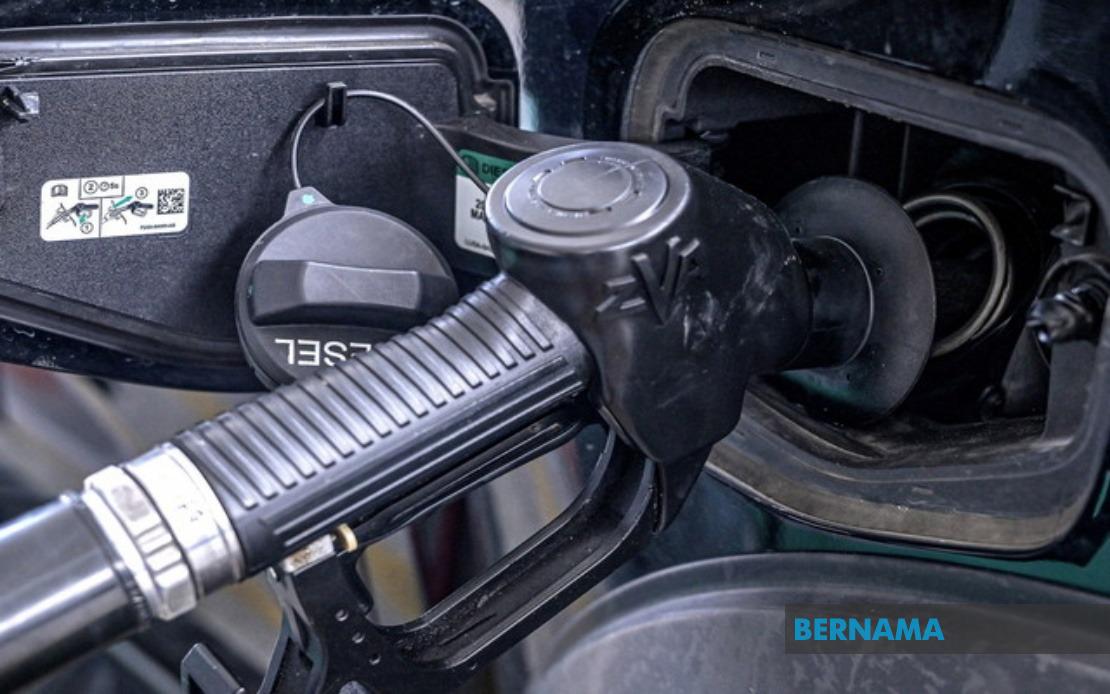
The Malaysian government has commenced accepting applications for the Subsidised Diesel Control System (SKDS) covering the land transport sector, with eligibility expanded to include company-owned private vehicles such as jeeps and pickup trucks. Domestic Trade and Cost of Living Minister Datuk Armizan Mohd Ali announced the move in Putrajaya on July 3, signalling a further broadening of the subsidy programme beyond its original remit. Applicants meeting the necessary criteria and successfully approved for the initiative will gain access to diesel subsidies commencing July 15, contingent on the issuance of a dedicated fleet card.
To participate in the SKDS initiative, vehicles must satisfy specific regulatory requirements. They must be formally registered as business vehicles under the Company Private Use (AE) classification within the Road Transport Department's (JPJ) MySikap digital system. This designation ensures that the vehicles are genuinely deployed for commercial purposes rather than personal use, a distinction critical to the subsidy's integrity and targeted application.
Beyond vehicle registration stipulations, business owners themselves must meet defined criteria. The proprietorship or partnership operating the vehicles must be formally registered either with the Companies Commission of Malaysia (SSM) or, in the cases of Sabah and Sarawak, with the relevant state authorities. This dual-registration requirement creates a comprehensive verification framework, ensuring that only legitimate business entities receive government assistance.
The subsidy programme is deliberately structured to benefit Malaysia's micro and small enterprise sector, recognising the operational constraints faced by sole proprietorships and partnerships in managing fuel expenses. For many transport operators, particularly those engaged in short-haul deliveries, agricultural product distribution, and regional commerce, fuel costs represent a significant operational burden that directly impacts profitability and competitiveness. By extending subsidised diesel access to these vehicle categories, the government aims to reduce input costs for small business operators who form the backbone of Malaysia's informal and formal commerce networks.
Armizan's announcement represents the latest phase in an incremental expansion of the SKDS programme. The government had previously extended eligibility to encompass the public land transport sector and the consumer goods distribution sector, effectively creating multiple channels through which transport operators could access the subsidy benefit. This staged rollout approach allows authorities to assess implementation effectiveness and adjust operational parameters based on real-world outcomes before expanding to additional categories.
Applications are being processed through the MySubsidi online portal, enabling interested business owners to submit their documentation digitally. This digital-first approach streamlines the approval process, reduces administrative bottlenecks, and provides applicants with transparent tracking of their application status. The government has encouraged prospective beneficiaries to lodge applications promptly, suggesting that early submission may facilitate faster approval and earlier access to subsidised fuel pricing.
The timing of this expansion carries particular significance for Malaysia's broader economic policy framework. With global crude oil prices experiencing volatility and domestic inflationary pressures affecting consumer and business sentiment, reducing transport sector costs through targeted subsidies functions as a demand-side economic stimulus. For small business operators whose fuel consumption directly translates to operational costs that influence their service pricing, the subsidy effectively provides competitive relief against larger operators with greater economies of scale.
The geographical inclusion of Sabah and Sarawak through reference to state-level registration authorities reflects recognition of these states' distinct administrative structures and the importance of maintaining equitable subsidy access across Malaysian territories. Transport operations in East Malaysia, particularly in areas with limited infrastructure and extended supply chains, often face disproportionately higher operational costs, making subsidy access particularly valuable for sustaining regional economic activity.
Implementation of the SKDS programme for this expanded vehicle category will require coordination across multiple government agencies. The JPJ must verify vehicle registration details, the SSM and state authorities must confirm business legitimacy, and the subsidy distribution mechanism must ensure that approved applicants receive fleet cards enabling them to access reduced diesel pricing at participating stations. This multi-agency approach, while administratively complex, creates safeguards against subsidy leakage and misappropriation.
For Malaysian transport operators in the micro and small business segment, the SKDS expansion represents a material policy intervention that addresses one of their most significant operational challenges. The programme's structure, requiring business registration and vehicle classification, ensures that the subsidy reaches intended beneficiaries rather than dispersing across the broader population. As Malaysia navigates economic recovery and seeks to support domestic enterprise development, targeted support for transport operators—who facilitate supply chain movement and regional commerce—addresses a critical economic function while managing fiscal sustainability.

