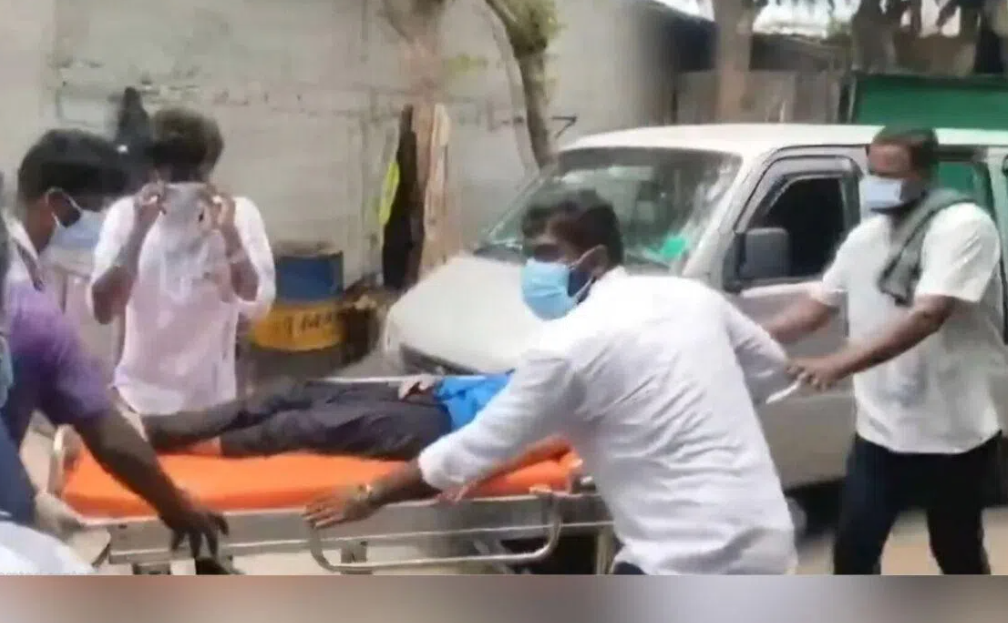
A catastrophic industrial accident unfolded at a seafood processing facility near Periyapalayam village in Tamil Nadu's Thiruvallur district on Sunday, claiming the lives of at least six workers and sending dozens more to hospital. The incident, involving a suspected ammonia leak at the export-oriented unit, has reignited concerns about workplace safety standards in India's seafood manufacturing sector, an industry that generates billions of dollars annually for the country and employs thousands of migrant labourers across coastal and inland regions.
The tragedy occurred when approximately 120 migrant workers, predominantly women recruited from economically disadvantaged states including Assam, Odisha and Jharkhand, were present at the facility. These workers typically comprise a significant portion of India's processing workforce, often working in conditions with limited oversight and earning minimal wages. Their vulnerability to industrial hazards stems from a combination of factors: inadequate training, language barriers that complicate safety communication, and limited awareness of their legal rights and protections under occupational health legislation.
Investigators have determined that the noxious vapours originated from the unit's refrigeration or processing infrastructure, rapidly permeating the work areas before anyone could respond effectively. The ammonia that escaped appears to have reached concentrations potent enough to cause severe physiological damage within seconds of exposure. Survivors reported experiencing acute respiratory distress, vertigo, and chemical burns to mucous membranes—symptoms consistent with high-concentration ammonia inhalation. Some workers exhibited haemorrhaging from nasal and oral passages, a clinical indicator suggesting profound caustic injury to internal tissues.
The scene that followed the initial exposure involved considerable chaos. Disoriented and panicking workers attempted to flee the contaminated areas, while others collapsed where they stood, overcome by the invisible toxic cloud. The absence of functional emergency protocols or readily accessible safety equipment meant that response time was dictated by how quickly external assistance could arrive rather than by pre-positioned defences or trained in-house emergency personnel. Such infrastructure gaps remain endemic across India's small and medium-scale manufacturing establishments, which often operate with minimal compliance oversight.
Local emergency services, police and district authorities mobilised swiftly upon receiving distress calls. Rescue operations focused on extracting incapacitated workers and establishing temporary medical intervention points. Transport to neighbouring hospital facilities began immediately, with some patients transported considerable distances for specialised respiratory and toxicology care. Healthcare personnel treating the victims noted that some remained in life-threatening condition, with ongoing concerns about delayed complications from chemical exposure and potential long-term respiratory damage.
Chief Minister C. Joseph Vijay's immediate response included directives to medical institutions to prioritise victim care and ensure access to advanced life support systems. More significantly, he initiated a formal inquiry into the incident's causation and contributing factors. The constitution of a three-member investigation committee represents an acknowledgment that this event likely resulted not from chance occurrence but from systemic failures in industrial oversight, maintenance protocols or safety infrastructure. The directive for a 24-hour preliminary report suggests administrative pressure to establish preliminary findings quickly, though such compressed timelines can sometimes compromise thorough investigation.
The inquiry framework explicitly encompasses examination of safety protocols, maintenance schedules, and regulatory compliance lapses. Given that ammonia systems in refrigeration plants require regular inspection and certification, investigators will likely scrutinise whether the facility maintained current safety certifications, conducted mandated equipment inspections, or implemented procedures for detecting early signs of system degradation. They will also examine training records for workers regarding emergency procedures and chemical hazard awareness. Such detailed forensic examination often reveals chains of responsibility extending beyond immediate facility management to regulatory authorities, certification agencies, and sometimes government inspectorates that failed to enforce compliance.
The criminal justice response has commenced through police registration of formal charges. The scope of potential violations being examined includes contraventions of India's Occupational Safety, Health and Working Conditions Code, 2020, environmental protection regulations, and potentially criminal negligence provisions if investigation substantiates grossly inadequate safety measures. Legal accountability extends beyond administrative penalties to potential imprisonment for responsible officials and facility operators if evidence suggests wilful disregard for known hazards.
This incident carries particular resonance for Malaysia and broader Southeast Asia, where similar seafood processing operations employ migrant workers and maintain comparable industrial infrastructure. The region's rapidly growing aquaculture and seafood processing industries operate under varying regulatory standards, with some operations prioritising productivity over safety investments. Malaysian processing facilities, while generally subject to stricter oversight through the Department of Occupational Safety and Health, nonetheless require constant vigilance to prevent comparable disasters. The Tamil Nadu incident underscores how migrant worker vulnerabilities transcend national boundaries and how industrial hazards in neighbouring countries can inform risk assessments domestically.
Beyond the immediate tragedy, the episode illuminates deeper questions about the seafood industry's reliance on migrant labour and the structural inequalities that subordinate worker safety to profit margins. The Tamil Nadu state government's intervention signals political will to address these systemic issues, but lasting reform requires sustained commitment to enforcement, investment in safety infrastructure, and crucially, empowerment of workers themselves to demand and access safe working conditions. For regional policymakers, the incident provides empirical evidence that comprehensive occupational safety frameworks demand constant attention and resources.