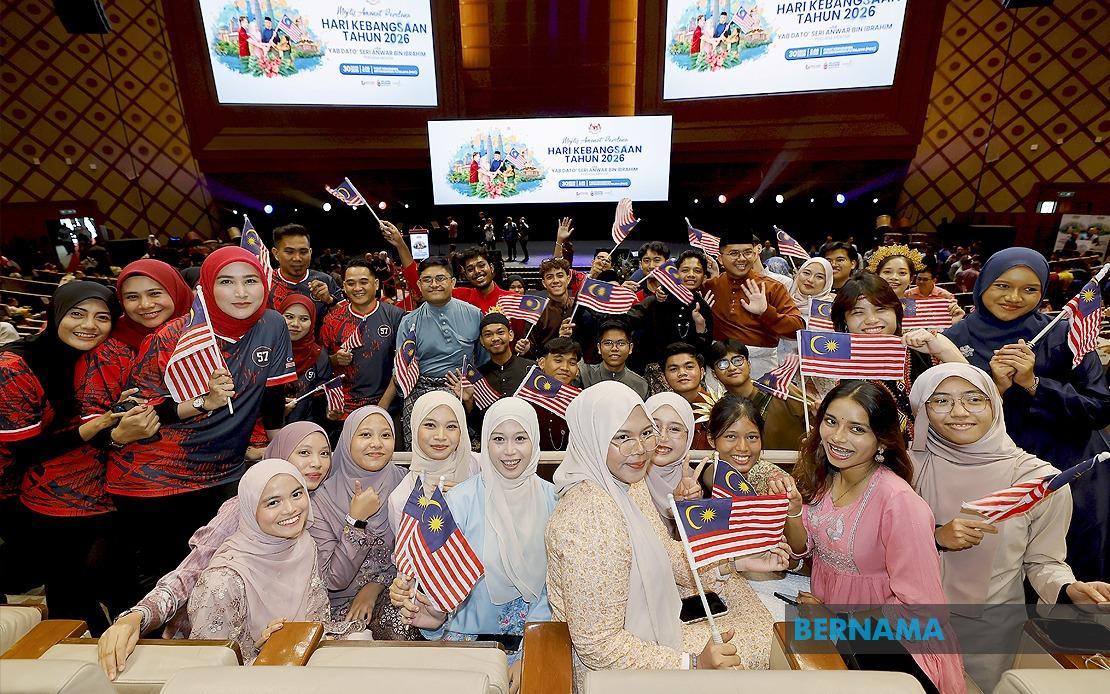
Prime Minister Datuk Seri Anwar Ibrahim unveiled six significant government initiatives during his National Day address delivered at the Putrajaya International Convention Centre, each crafted to address the needs of different population segments across the country. The measures span digital transformation, education, small business support, and fuel subsidies, reflecting a comprehensive approach to economic relief during challenging times. Observers and members of the public who attended the event described the announcements as a timely response to pressing concerns faced by households and enterprises navigating the current economic landscape.
The restoration of the Budi MADANI RON95 subsidy programme captures particular attention among daily commuters and workers. The allocation returns to 300 litres per month from a previously reduced threshold of 200 litres, allowing vehicle users to manage fuel costs more effectively. For professionals like Mohd Aliff Rino, a 26-year-old company secretary, this expansion directly eases the financial strain of maintaining consistent transportation for work purposes. The increase acknowledges that fuel remains a significant household expense, particularly for those in the M40 income bracket who depend on personal vehicles for economic mobility and professional productivity.
Paralleling the fuel subsidy expansion, the government also announced an increase in the Budi Diesel quota from 300 litres to 400 litres monthly, providing additional relief for commercial operators and users of diesel-powered vehicles. This dual approach signals recognition that fuel costs affect both private citizens and business operators differently, necessitating targeted interventions. Together, these fuel-related measures represent a substantial commitment to reducing transportation-related expenses across income groups and occupational categories.
Among the most forward-looking initiatives is the artificial intelligence accessibility programme targeting young Malaysians. The government will provide free three-month subscriptions to three artificial intelligence applications for 100,000 youth aged 18 to 30 who successfully complete the modules under the AI for the People programme. This initiative responds to the accelerating integration of AI technologies into educational and professional environments. Nur Liyana, 24, an accounts assistant in the private sector, highlights how AI applications already demonstrate tangible value in daily work tasks, from data analysis to content creation. By subsidising access for a generation transitioning into the workforce, the government positions Malaysia to develop homegrown expertise in an increasingly critical technological domain.
Educational infrastructure receives substantial attention through a 50 percent increase in school maintenance funding for 2027, bringing the total allocation to RM1.5 billion. This expansion acknowledges that adequate school facilities—from functional classrooms to operational laboratories—form the foundation for quality education delivery. The measure addresses longstanding concerns about deferred maintenance in institutions nationwide and signals commitment to creating conducive learning environments across all school types, from primary institutions to vocational centres.
Small business and informal sector operators gain direct support through the RM200 million Geran Sejahtera MADANI initiative. This targeted grant programme assists hawkers, night market traders, and mothers operating home-based enterprises, recognising that these segments form the backbone of local economies and employment. Many of these operators operate on tight margins and lack formal credit access, making direct government assistance critical for business sustainability and community economic resilience.
Microfinance expansion constitutes another significant pillar of the announcement. The government will increase microfinancing facilities by RM1 billion, bringing total funding for 2026 to RM6 billion. This expanded capital pool addresses the persistent challenge of accessing credit for small entrepreneurs and startups, particularly those lacking collateral or formal credit histories. Enhanced microfinance availability enables grassroots economic activity and entrepreneurship, creating pathways for aspiring business owners to establish viable operations.
The e-Invoice exemption threshold increase from RM1 million to RM3 million annually directly benefits small and medium enterprises managing digital compliance obligations. This adjustment reduces administrative burden and compliance costs for businesses with annual revenues below the new threshold, allowing proprietors to focus resources on growth rather than bureaucratic processes. The move acknowledges that excessive regulatory demands can constrain small business expansion and that calibrating compliance requirements to business capacity promotes sustainable economic growth.
Collectively, these six measures reflect a deliberate strategy to distribute benefits across demographic and economic groups. Youth receive digital skills development opportunities; vehicle users gain relief through fuel subsidies; educators benefit from improved infrastructure; informal economy workers receive direct grants; entrepreneurs access cheaper credit; and small businesses experience reduced compliance costs. This segmented approach contrasts with broad-based subsidies that may create inefficiencies by benefiting those with greater need capacity differently.
For Malaysian policymakers and regional observers, the announcement illustrates how governments can balance short-term relief with longer-term productive investment. Fuel subsidy increases provide immediate household relief, addressing cost-of-living pressures. Simultaneously, AI accessibility and educational infrastructure investment lay groundwork for future economic competitiveness. Microfinance expansion and small business grants sustain the productive base of the economy, creating employment and income generation from ground level upward.
The reception among working professionals and younger Malaysians indicates that the measures address genuine economic anxieties. Transportation costs, educational quality, technology access, and business sustainability emerge as priorities across income groups, suggesting policymakers effectively identified pressure points in economic wellbeing. Implementation effectiveness will determine whether these initiatives successfully transform announced commitments into tangible improvement in living standards and economic opportunity.
Regional context matters considerably. Throughout Southeast Asia, governments struggle with similar challenges: managing subsidy expenditure while maintaining affordability, upgrading educational infrastructure amid budget constraints, and fostering entrepreneurship amid formal sector employment limitations. Malaysia's multifaceted approach may offer relevant lessons for neighbouring nations considering comparable policy interventions, particularly the integration of digital transformation initiatives alongside traditional support mechanisms.

