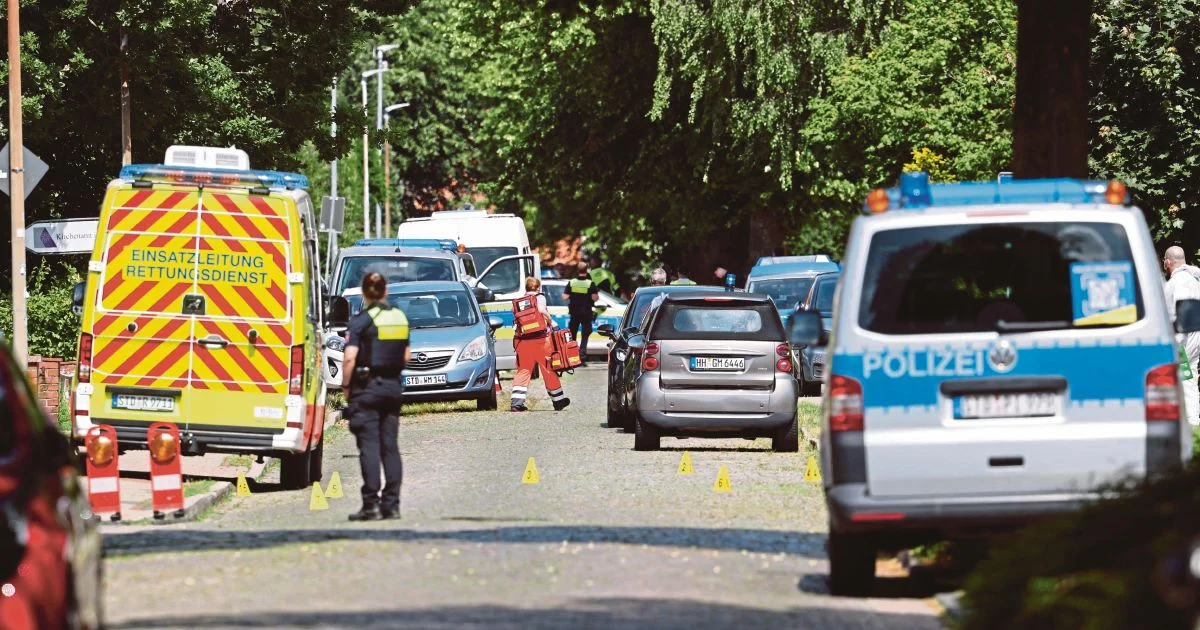
A shooting at a German youth welfare centre serving vulnerable mothers and their children has left six people dead, prompting investigators to classify the incident as what appears to be a domestic tragedy rather than a random attack. Police arrested both a male gunman and a female companion in connection with Monday's violence, which struck at a facility designed to provide support services to families in crisis.
The location of the attack—a centre dedicated to maternal and child welfare—underscores the particularly tragic nature of the incident. Such facilities across Germany and Europe typically serve women and children fleeing domestic hardship, substance abuse issues, or other family difficulties. That the violence occurred within these protected premises raises difficult questions about security protocols and the unpredictable nature of intimate family crises.
German law enforcement's early assessment that this represents a family tragedy rather than ideologically motivated violence or mass violence carries significant implications for how the incident will be investigated and prosecuted. Family-related homicides, while devastating, are generally treated differently from other categories of violent crime in the criminal justice system. The characterisation suggests police have identified connections between the perpetrator and victims, though official details remain sparse at this early stage.
The involvement of a female companion alongside the male suspect introduces complexity to investigators' understanding of events. Whether this person played an active role in the violence, provided assistance, or possessed knowledge of the suspect's intentions will be central to the prosecution strategy. German authorities will need to establish precisely what occurred during the shooting and whether charges against the female companion will match or differ from those against the primary suspect.
Incidents of this nature, though shocking, reflect broader challenges facing European social services tasked with managing family crises and mental health emergencies. The concentration of vulnerable populations—mothers under stress and dependent children—within a single location creates a scenario where interpersonal violence can have cascading tragic consequences. Staff at such centres often work in emotionally charged environments where tensions run high and crisis situations are commonplace.
For Malaysian readers, this incident echoes concerns that transcend borders. While Germany boasts comprehensive social welfare systems and mental health infrastructure, the unpredictable nature of domestic violence remains a persistent challenge even in well-resourced societies. Malaysian authorities and social welfare providers can recognise that no amount of institutional planning can completely eliminate risks when family relationships become dangerously unstable.
The investigation will likely focus on the suspect's history, any documented warnings about violent behaviour, and relationships within the welfare centre's population. Police will interview staff members, other clients, and associates to reconstruct the sequence of events and establish motive. The presence of children at the scene adds an additional layer of trauma that investigators and support services will need to address.
This shooting contributes to an ongoing European conversation about gun violence and access to firearms. While Germany maintains stricter gun regulations than the United States, incidents like this demonstrate that legal frameworks cannot entirely prevent determined individuals from acquiring weapons. The distinction between mass shooting incidents driven by ideology or grievance and family tragedies driven by interpersonal conflict shapes both public response and policy debate.
The swift arrest of both suspects suggests police responded quickly to the emergency and possessed sufficient evidence to move toward prosecution. The circumstances of their apprehension—whether they remained at the scene, attempted to flee, or surrendered—will form part of the broader narrative that emerges as legal proceedings advance through the German court system.
For the welfare centre and its staff, the aftermath will involve significant trauma and operational disruption. Colleagues of the victims, other service users, and children present during the shooting will require mental health support and trauma counselling. Institutional protocols around safety and crisis management will likely face scrutiny and revision. Similar facilities across Germany may enhance security measures or revise procedures for handling individuals with known risk factors.
The incident also raises questions about information sharing between social services, law enforcement, and mental health providers. If the suspect had prior contact with authorities or welfare agencies, investigators will examine whether available warning signs were adequately assessed or acted upon. Such post-incident reviews typically inform recommendations for improving coordination between institutions responsible for public safety and welfare provision.
As the investigation progresses, more details about the victims, the suspect's background, and the specific circumstances will emerge. The case will likely influence ongoing debates in Germany about domestic violence prevention, mental health crisis intervention, and the protection of vulnerable populations served by welfare institutions.

