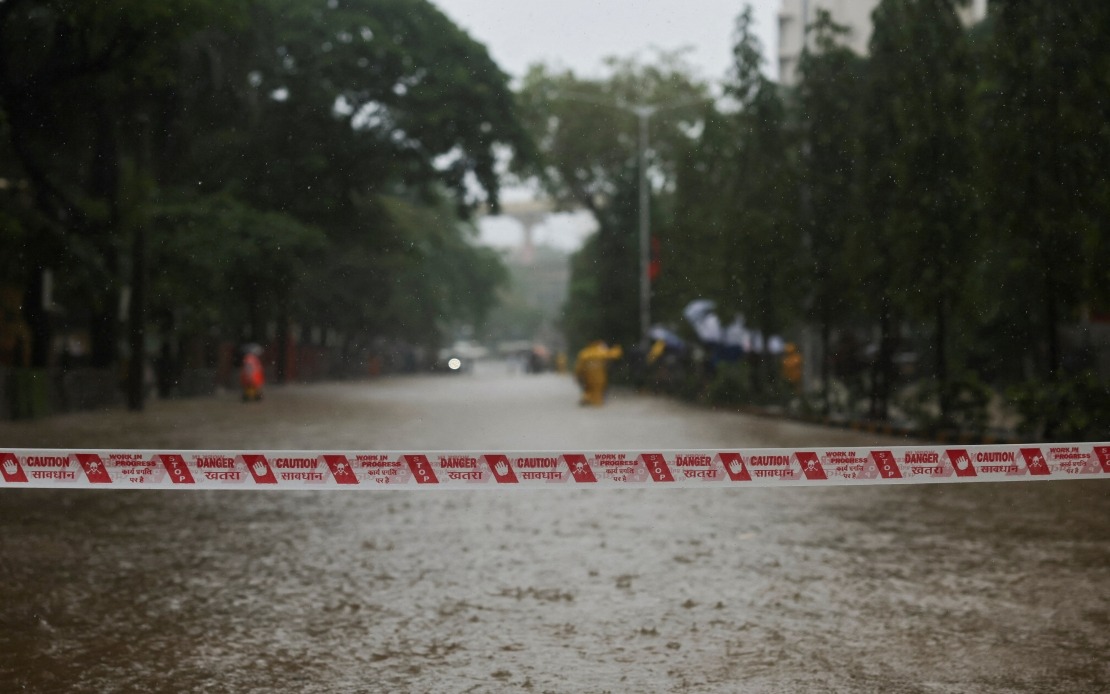
A devastating building collapse in Mumbai's Mankhurd district has claimed six lives and left one person injured, highlighting the destructive potential of India's monsoon season and raising fresh questions about structural safety standards in the country's financial hub. The tragedy occurred on Sunday as torrential rainfall pounded the city, overwhelming drainage systems and destabilizing the residential structure without warning.
State Minister Girish Mahajan, a senior Maharashtra BJP leader, confirmed the incident to reporters and indicated that authorities would conduct a comprehensive investigation into how the building was constructed. His comments point to broader concerns about the quality of construction practices and adherence to building codes in densely populated urban areas, where rapid development and informal housing construction often outpace regulatory oversight. The minister's statement suggests that structural deficiencies rather than merely extreme weather may have contributed to the collapse.
The incident underscores the vulnerability of older and substandard residential buildings in major Indian cities when subjected to the intense precipitation that characterizes the southwest monsoon. Mumbai, with its dense population and aging infrastructure, remains particularly exposed to such disasters. Buildings constructed decades ago or erected without proper engineering oversight frequently lack the reinforcement and drainage management necessary to withstand prolonged heavy rainfall. The Mankhurd area, a working-class neighbourhood with many older structures, appears to have housed the doomed building.
Monsoon-related disasters have become an annual concern across the Indian subcontinent, with similar incidents recurring in various cities each year. The Southeast Asian region, including Malaysia, experiences comparable weather patterns and building vulnerability issues, making this tragedy relevant to policymakers across the broader region. Heavy rainfall events that might seem routine in tropical climates can prove catastrophic when infrastructure is compromised by poor construction, age-related deterioration, or inadequate maintenance. Malaysia's own experience with devastating floods and building collapses serves as a cautionary parallel.
The broader impact of Sunday's severe weather extended beyond this single incident. Flight operations at Mumbai's Chhatrapati Shivaji Maharaj International Airport experienced temporary disruption due to the combination of heavy rain and strong winds, affecting both passengers and cargo movements during the monsoon peak. Such disruptions to India's most important transportation hub ripple across the national and regional economy, affecting business operations and trade flows. The airport's vulnerability to monsoon weather demonstrates how climate patterns intersect with infrastructure planning across multiple sectors.
In response to the dangerous conditions, state authorities took the precautionary step of declaring a holiday for educational institutions throughout the affected region. This measure prioritized student safety by avoiding unnecessary exposure to hazardous weather during transit to and from school. While such closures are sometimes criticized for disrupting academic calendars, they reflect a pragmatic recognition that extreme weather poses genuine risks to vulnerable populations, particularly children navigating through flooded streets and unstable neighbourhoods.
The monsoon season in India typically commences in June and persists through September, creating a four-month window during which precipitation and associated hazards intensify dramatically. This extended period allows accumulated structural damage and waterlogging to worsen progressively, increasing the likelihood of catastrophic failures as the season progresses. The predictable nature of this seasonal pattern makes advance preparation and infrastructure maintenance critical, yet many municipalities struggle to implement sufficient preventive measures within budget constraints and bureaucratic limitations.
The investigation promised by State Minister Mahajan will likely examine multiple factors contributing to the collapse, including the building's age, construction materials, structural integrity, maintenance history, and compliance with relevant building codes. Such inquiries often reveal systemic failures in enforcement, with building inspections remaining superficial or ignored entirely in many jurisdictions. Corruption, insufficient staffing in regulatory agencies, and conflicting incentives between developers and authorities frequently undermine structural safety standards across Indian cities.
For Malaysian observers and policymakers, the Mumbai incident serves as a cautionary reminder about the importance of rigorous building standards and regular infrastructure assessment in tropical and subtropical regions prone to intense rainfall. While Malaysia maintains more sophisticated regulatory frameworks in major cities, informal settlements and older buildings in both urban and rural areas remain vulnerable to similar disasters. The incident demonstrates that prosperity and financial importance—Mumbai's status as India's commercial capital—do not automatically ensure the resilience of residential infrastructure for ordinary citizens.
The tragedy raises uncomfortable questions about equity and safety across Indian urban areas. Wealthier neighbourhoods with modern buildings and proper maintenance often survive monsoons intact, while working-class areas populated by economically vulnerable residents suffer disproportionate casualties. This pattern reflects broader development inequalities where investment in safety infrastructure concentrates in affluent zones, leaving lower-income populations exposed to preventable disasters. Addressing this requires political will to enforce standards universally rather than selectively.
Looking forward, Mumbai and other South Asian cities must confront the challenge of retrofitting aging building stock and improving drainage infrastructure as climate patterns intensify. Rising monsoon rainfall intensity, potentially linked to broader climatic shifts, suggests that past weather data may no longer provide adequate guidance for infrastructure design standards. Cities must anticipate increasingly severe events rather than assuming historical patterns will persist, implementing adaptive measures that account for changing environmental conditions.

