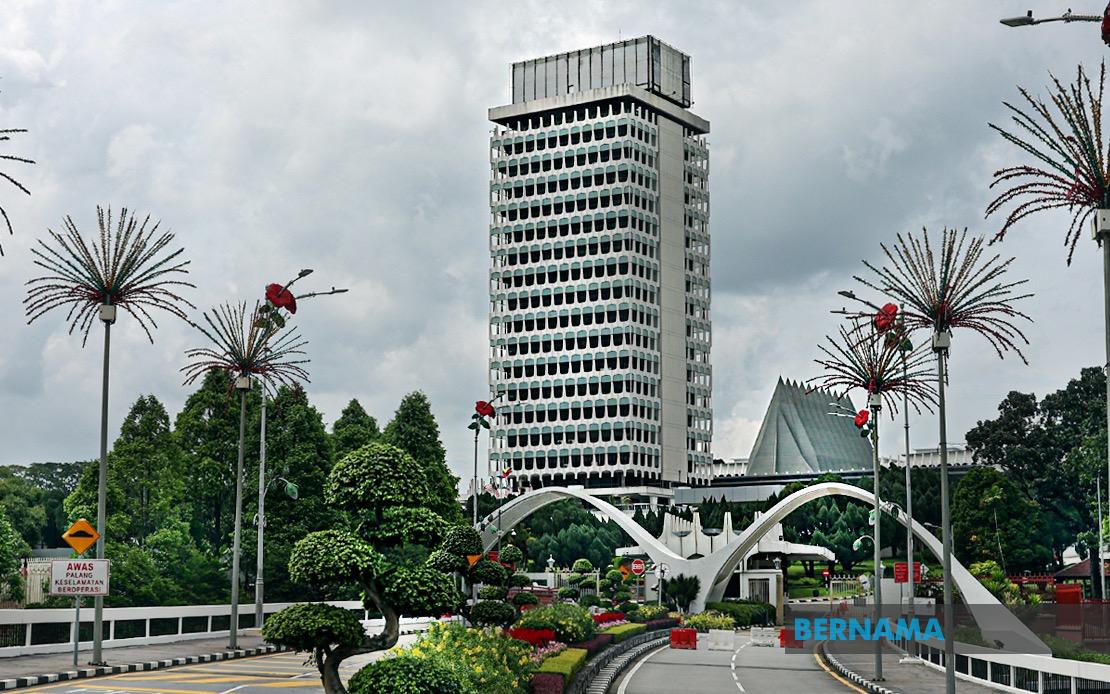
The Road Transport (Amendment) Bill 2026 emerged as the sole legislative success during the opening seven days of the Dewan Rakyat's second meeting in the current parliamentary session, underlining a deliberate pace in Malaysia's legislative agenda. Transport Minister Anthony Loke explained that this amendment introduces a crucial procedural tool through the addition of Section 42A, empowering authorities to intervene against illegal street racing before consequences materialise—a significant departure from previous enforcement constraints.
The necessity for this legal reform reflects a persistent challenge that has frustrated law enforcement agencies across Malaysia. Previously, the burden of proof required authorities to demonstrate elements of immediate danger or actual harm—death, injury, or property damage—before initiating enforcement action. This evidentiary threshold created investigative difficulties and allowed illegal racing networks to operate with relative impunity between incidents. By enabling preventative intervention, the amendment represents a paradigm shift toward risk mitigation rather than reactive response, potentially addressing a persistent public safety concern in urban and suburban communities.
Looking ahead, Loke signalled his ministry's intention to introduce further amendments to the Road Transport Act during the remainder of this year. The forthcoming legislation will establish compensation mechanisms for victims of accidents caused by impaired drivers, supplementing existing criminal penalties of fines and imprisonment. This dual approach—combining financial restitution with punitive measures—aligns with international best practices in addressing drink and drug-driving harm, a persistent road safety challenge across Southeast Asia.
The Prison (Amendment) Bill 2026, which would have introduced electronic monitoring systems for offenders and formalised volunteer participation in rehabilitation programmes, encountered parliamentary obstacles and has been returned to the Parliamentary Select Committee for deeper examination. This deferral suggests that legislators identified concerns requiring additional scrutiny, whether procedural, constitutional, or operational in nature, before advancement to full parliamentary consideration.
Four additional bills received their formal introduction during the week. The Sexual Offences Against Children (Amendment) Act 2026 and the Cybercrime Act 2026—which seeks to supersede the Computer Crimes Act 1997—address evolving threats to vulnerable populations and digital security respectively. Complementing these measures, the Competition (Amendment) Bill 2026 and the Competition Commission (Amendment) Bill 2026 signal governmental attention to commercial oversight, likely reflecting concerns about market conduct and regulatory efficacy in an increasingly complex economic landscape.
Administrative developments included the formal reinstatement of Larut MP Datuk Seri Hamzah Zainudin as opposition leader, effective mid-June, providing clarity on parliamentary leadership structures. Concurrent with this announcement, the Speaker confirmed casual vacancies for the Pandan and Setiawangsa constituencies following the May resignations of Datuk Seri Rafizi Ramli and Nik Nazmi Nik Ahmad. The Election Commission's subsequent notification sets in motion the constitutional machinery for replacing these parliamentary seats, with implications for both governmental mathematics and representational completeness.
Minister's Question Time, traditionally a platform for Prime Minister Datuk Seri Anwar Ibrahim to respond to parliamentary inquiries, instead proceeded with relevant portfolio ministers fielding queries. This substitution, attributed to the Prime Minister's competing official obligations, reflects the intensifying demands on executive leadership during periods of significant governance challenges. The arrangement preserved parliamentary accountability mechanisms while acknowledging practical constraints on prime ministerial availability.
Parliamentary Select Committees occupied considerable floor time during the sitting, presenting and debating their reports—a development that parliamentary reformers regard as essential to strengthening institutional checks and revitalising committee-based legislative scrutiny. This deliberate allocation of time acknowledges that substantive parliamentary work increasingly occurs within committee structures rather than on the full chamber floor, particularly regarding technical and detailed policy matters.
Unemployment concerns animated parliamentary discussion throughout the week, with Human Resources Minister Datuk Seri R. Ramanan disclosing that 42,807 workers faced retrenchment between January and mid-June. Company closures and organisational downsizing constituted the principal drivers of these job losses. Yet Economy Minister Akmal Nasrullah Mohd Nasir offered a contrasting perspective, emphasising labour market resilience evidenced by a 20 percent decline in June job losses compared to May and a stable labour force participation rate of 70.9 percent. This divergence in parliamentary messaging—simultaneously acknowledging job displacement while asserting fundamental economic stability—reflects the genuine complexity of Malaysia's employment situation amid global uncertainties.
Border security commanded significant parliamentary attention, with Home Minister Datuk Seri Saifuddin Nasution Ismail announcing a RM22 million allocation to equip the Malaysia Border Control and Protection Agency with firearms and supporting infrastructure. This investment signals heightened governmental commitment to territorial integrity and cross-border law enforcement capacity, concerns of particular resonance given Malaysia's position as a transportation hub and its historical experience with transnational security challenges.
Energy policy discussions centred on biodiesel expansion prospects, with the Ministry of Plantation and Commodities signalling cautious review of B50 biodiesel rollout viability. Existing blending facilities would require substantial capital investment for compatibility, complicating the economics of renewable fuel promotion. This parliamentary discussion reflects tensions between environmental objectives and infrastructure realities—a recurring theme across Southeast Asian energy transitions.
Online child safety featured prominently in Communications Minister Datuk Fahmi Fadzil's parliamentary statements regarding newly operative digital protection codes. Requiring social media platforms to implement age verification mechanisms from June 1, these regulatory frameworks carry enforcement teeth through penalties reaching RM10 million under the Online Safety Act 2025. Malaysia's approach thus joins international efforts to establish protective guardrails around children's digital experiences, though implementation challenges remain substantial for enforcement authorities and technology platforms alike.
The current parliamentary sitting, extending through mid-July across sixteen days, continues to process the government's legislative programme amid broader economic and security preoccupations. The modest legislative harvest of the opening week—one passed bill, several tabled measures, and one deferred measure—reflects parliamentary patterns in jurisdictions managing competing priorities across multiple governance domains.

