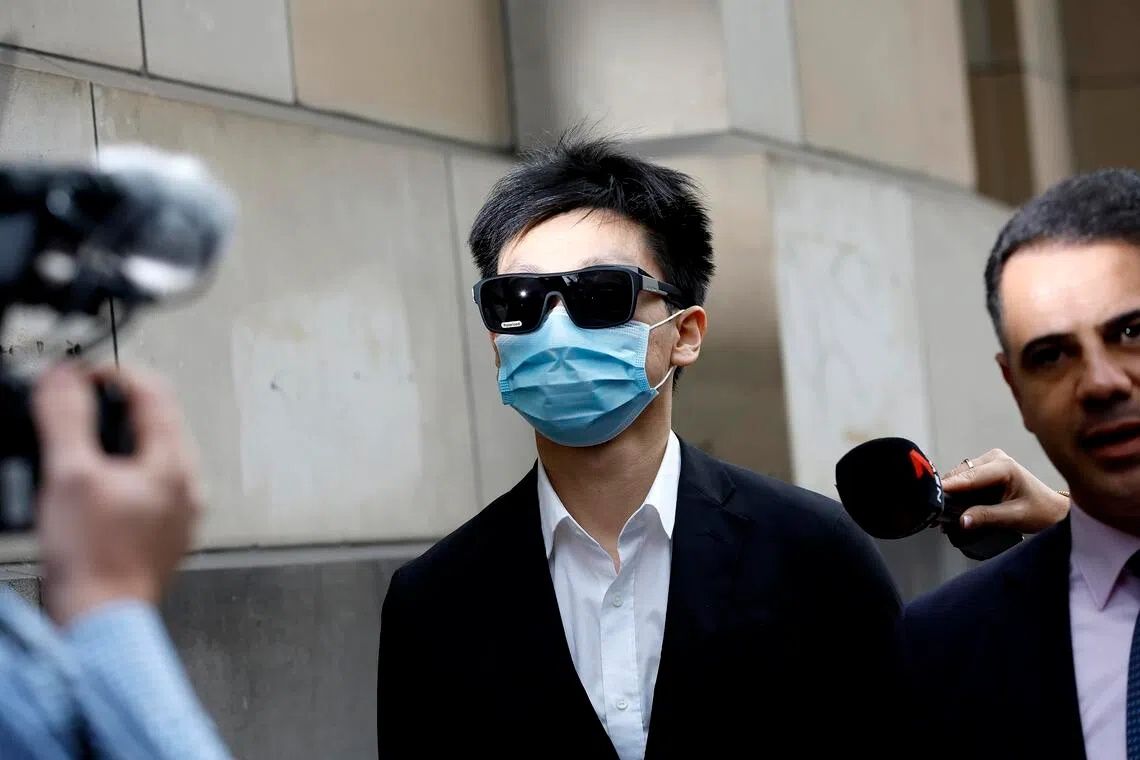
A 28-year-old trainee doctor from Singapore has entered a guilty plea to charges of covertly filming hundreds of colleagues in intimate settings across three major Melbourne hospitals, marking a significant development in what has become a closely scrutinised case in Australia. Ryan Cho appeared before Melbourne Magistrates Court on Thursday, accepting responsibility for 13 consolidated charges including stalking, unauthorised installation of recording devices, and production of intimate images without consent. The case represents a stark breach of trust within Australian medical institutions and raises uncomfortable questions about workplace safety culture in healthcare settings.
During his employment at the Austin Hospital, Royal Melbourne Hospital, and the Peter MacCallum Cancer Centre between 2021 and 2025, Cho systematically documented colleagues in private moments within hospital facilities. The scale of the operation became apparent when investigators recovered more than 10,000 video and photographic files from electronic devices seized from his residence, capturing the faces and bodies of more than 500 victims. The initial discovery came in July 2025 when Austin Hospital staff located a concealed mobile phone in a staff toilet, prompting a police investigation that would ultimately unearth 4,500 video files among other materials.
Victorian police pursued an aggressive prosecution strategy, initially laying 910 separate charges against Cho before prosecutors and the defence negotiated a consolidation into the 13 counts to which he pleaded guilty. This arrangement streamlines proceedings while maintaining the gravity of the offences. Magistrate Michelle Mykytowycz presided over the 30-minute hearing, acknowledging the presence of multiple victims in the courtroom and those observing via video link, signalling the court's recognition of the profound impact on those affected. The judicial acknowledgement of victims' presence underscores the institutional response to what constitutes systematic violation of privacy and dignity.
Cho's professional credentials have already suffered irreparable damage, with Australian medical regulators suspending his registration in 2025 following the discovery of his conduct. The suspension effectively ended his medical career before it properly commenced, notwithstanding his completion of studies at Monash University. His status as a permanent resident, granted in April 2025 just months before his arrest, now appears complicated by his criminal culpability. The swift action by regulatory authorities demonstrates the profession's commitment to protecting vulnerable individuals within healthcare environments, though questions persist about how such behaviour escaped detection for years.
The defendant appeared in court dressed formally in a black suit and white tie, seated alone in the front row while his father, Wilson Cho, a Singapore-based logistics manager, observed proceedings from the rear. During a previous court appearance, Wilson Cho indicated he had been unaware of his son's alleged activities and the circumstances leading to the suspension of his medical licence. The family dynamic suggests a significant breakdown in communication or awareness, though his parents have committed to residing in Melbourne throughout the legal proceedings to ensure their son's compliance with stringent bail conditions.
Chohas remained free on bail since his arrest, with bail guaranteed through a A$50,000 surety lodged by his parents in 2025. Magistrate Mykytowycz extended these bail arrangements until a three-day pre-sentence hearing scheduled for November 23 in Melbourne's County Court, which will hear detailed victim impact statements. The bail conditions imposed represent some of the most restrictive possible short of remand, reflecting the seriousness with which courts view breaches of trust within healthcare. These conditions prohibit contact with any witnesses, restrict hospital access to emergencies only with police approval, prevent possession of photographic or recording devices outside his home, and require thrice-weekly police reporting. Additionally, Cho must undergo appropriate psychological treatment and has surrendered his passport.
Choose's barrister, Julian McMahon, previously characterised his client as a "complicated young professional man" facing "complex psychological issues," framing the conduct as potentially symptomatic of deeper mental health concerns rather than simple criminal calculation. This psychological dimension has prompted mandatory treatment requirements as part of bail conditions, though such characterisation offers little comfort to victims whose privacy was systematically invaded. The description suggests the defence strategy may emphasise mental health factors during sentencing proceedings, though the systematic nature and duration of the conduct complicate any narrative of impulsive wrongdoing.
Beyond the criminal proceedings, the case has triggered broader institutional accountability mechanisms. Approximately 100 victims, predominantly women, have lodged human rights complaints with the three hospitals, alleging sexual harassment and workplace discrimination. These complaints to the Australian Human Rights Commission represent a second front of legal action, with employment law specialists anticipating additional claimants may join pending proceedings. Tony Carbone, managing partner at Carbone Lawyers representing victims, indicated to The Straits Times that the firm expects hospital employee numbers to expand as workers become aware of the complaint mechanism and their legal rights.
The hospitals themselves face scrutiny regarding their security protocols, workplace safety culture, and investigative procedures. The fact that concealed recording devices operated undetected across multiple facilities for years suggests potential gaps in occupational health and safety frameworks. Australian workplace law imposes obligations on employers to provide safe working environments free from sexual harassment, and institutional failures to prevent or detect such violations may expose hospitals to significant civil liability. The convergence of criminal prosecution, regulatory action, and civil claims creates a complex legal landscape where institutional accountability may ultimately prove as consequential as individual culpability.
For Singapore and the broader Southeast Asian region, the case underscores the risks faced by young professionals working abroad, particularly in regulated professions subject to rigorous background checks and registration requirements. The swift suspension of Cho's medical registration by Australian authorities demonstrates how professional misconduct, regardless of geographic location of employment, attracts immediate consequences that can permanently derail careers. The case also highlights the vulnerability of migrant workers within foreign institutional environments, where language barriers, cultural differences, or unfamiliarity with local reporting mechanisms may complicate victim responses. Healthcare institutions across Asia may benefit from examining similar workplace safety gaps that this Australian case has exposed.
The sentencing hearing in November will determine whether Cho faces imprisonment or other custodial arrangements, with the systematic nature of offences likely to weigh heavily against lenient treatment. The court will receive impact statements from victims describing the psychological and emotional toll of the violations, testimony that traditionally influences sentencing outcomes in Australian criminal law. The case's resolution may ultimately establish important precedents regarding sentencing guidelines for technology-enabled violations of privacy within institutional workplace settings, with implications extending beyond healthcare sectors.

