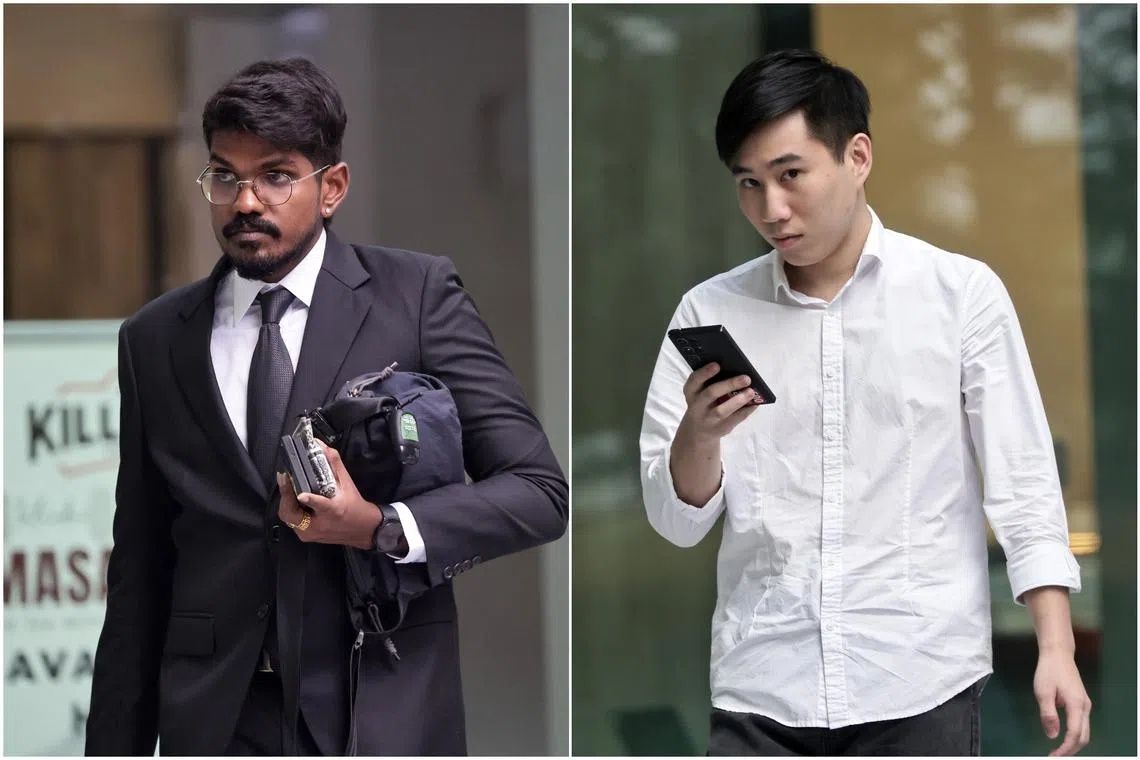
A 29-year-old Singapore Traffic Police investigation officer has received a jail sentence of one year and four months for misusing his access to government computer systems and sharing confidential information with a friend. The case, which concluded on Thursday, July 2, highlights a serious breach of public trust and the dangers posed when law enforcement officials exploit their privileged access to sensitive databases for personal gain.
Shivasuria Maniam Kesaval was convicted on four counts of computer system misuse and one charge under the Official Secrets Act following a trial that exposed a troubling pattern of abuse. His actions directly enabled a criminal associate to identify and subsequently threaten the woman responsible for reporting him to police. The incident raises uncomfortable questions about accountability within law enforcement agencies and the safeguards protecting citizens' personal information in government systems.
The origins of this case trace back to July 2022, when a woman in a relationship with Brayden Ong Ying Shan, 25, reported him to authorities for driving without a valid licence. Acting on this tip-off, two Traffic Police officers who were Shivasuria's colleagues intercepted Ong and had his vehicle impounded. When Ong informed Shivasuria about the incident, the officer made a fateful decision that would violate his professional obligations and the law.
Between July 14 and July 26, 2022, Shivasuria conducted multiple searches on Ministry of Home Affairs computer systems. These unauthorised queries yielded the complainant's personal particulars and details of her original report against Ong. The officer then repeatedly met with Ong during this period, during which he disclosed critical information including when the initial report had been filed. This intelligence allowed Ong to correctly determine that the woman had been his informant, a deduction that would have severe consequences.
On July 15, 2022, Ong sent threatening messages to the woman, explicitly stating he would "murder" whoever had reported him to police. He accompanied this menace with a photograph of Shivasuria and a chilling declaration: "I got a TP friend that is high ranking." The messages escalated further when Ong demanded that the woman provide the names of her family members, darkly suggesting that his police contact could run checks on them. This deliberate invocation of police power served as an implicit threat that the officer's resources could be weaponised against her loved ones.
The woman, understandably alarmed by these threats, filed a police report in late July 2022. The investigation that followed exposed the extent of Shivasuria's misconduct. The court found that the officer had shown no remorse for his actions, even declining to have his written mitigation plea read aloud during sentencing. When afforded the opportunity to address the judge, Shivasuria stated he had nothing further to add, a response that underscored his apparent lack of contrition.
Ong's fate took another dramatic turn after his conviction. On June 2, following his guilty verdict on charges of criminal intimidation and an Official Secrets Act violation, he fled Singapore by boat. A warrant for his arrest was subsequently issued, and the case remains under review with a hearing scheduled for July 14. His flight from the country compounds the seriousness of the offence and suggests awareness of the gravity of his actions.
District Judge Lim Tse Haw sentenced Shivasuria after the Deputy Public Prosecutor Jeremy Bin had urged a sentence of one year and seven months, emphasising the officer's absence of remorse. The prosecution's case revealed that the two men had been acquainted since 2019, with Ong aware of Shivasuria's employment in law enforcement. This relationship provided the foundation for what became a corruption of the officer's official position for personal purposes.
The ramifications of this case extend beyond the individuals involved. It demonstrates how breaches of administrative security by trusted officials can enable criminal harassment and intimidation. The offender's abuse of access credentials and databases represents a fundamental violation of the public trust placed in law enforcement. For Malaysian readers and Southeast Asian observers, the case serves as a cautionary example of the risks posed when internal accountability mechanisms fail to prevent misconduct by officials with database access.
Singapore's swift prosecution and substantial sentence reflect the jurisdiction's serious stance on official misconduct and abuse of power. The suspension of Shivasuria in August 2022, following the investigation's commencement, demonstrates institutional response mechanisms, though the damage to the complainant had already been considerable by that point. The case underscores the importance of robust audit trails, access restrictions, and monitoring systems within government databases to prevent such abuse.
For regional law enforcement agencies, the episode provides important lessons in vetting, supervision, and technological safeguards. Systems that track who accesses information, when, and for what purpose can deter or detect misuse before victims suffer harm. The severity of the sentence also sends a clear message that officers who compromise their duties for personal relationships face serious criminal consequences. As Southeast Asian nations continue to digitise government services, ensuring that database security and official conduct standards remain stringent becomes increasingly critical to protecting citizen information and maintaining public confidence in institutions.

