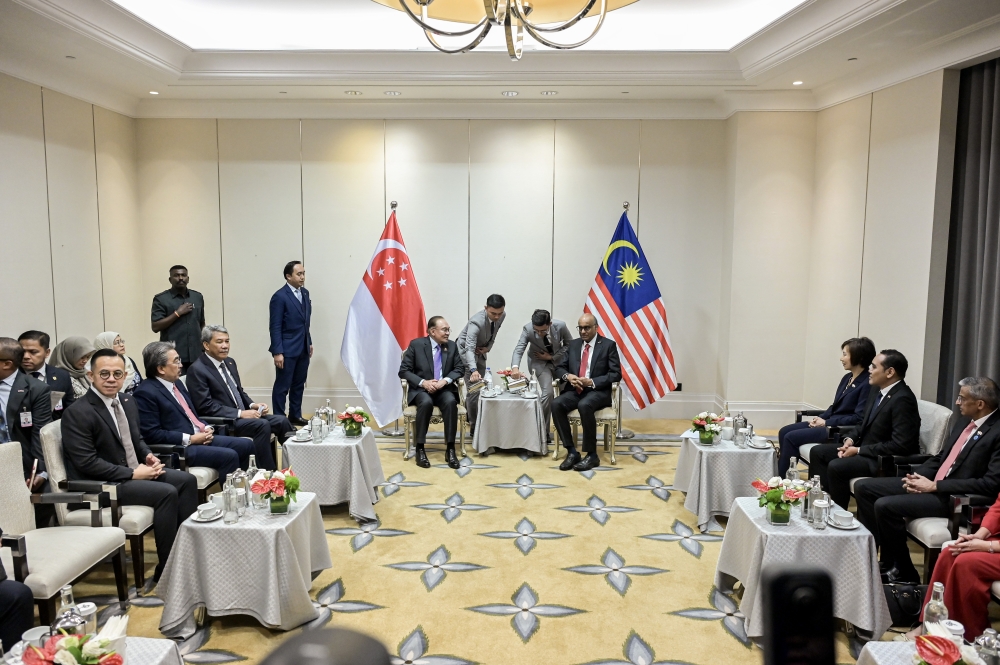
Singapore President Halimah Yacob conducted a significant 40-minute meeting with Malaysian Prime Minister Datuk Seri Anwar Ibrahim during her state visit to Kuala Lumpur, marking an important moment in bilateral relations between the two neighbouring nations. The courtesy call, which took place on Monday, represented more than ceremonial protocol as both leaders seized the opportunity to discuss substantive matters affecting their countries' ongoing partnership.
The engagement underscores the continued importance Malaysia and Singapore place on high-level political dialogue despite occasional tensions in their relationship. Regular interactions at the highest levels serve to maintain channels of communication and facilitate resolution of issues that arise between governments. For Malaysia, such meetings demonstrate the nation's commitment to nurturing ties with its closest developed neighbour, while for Singapore, they reflect efforts to strengthen relationships within the broader Southeast Asian region.
Halimah's visit to Malaysia carries additional significance given her position as Singapore's head of state. State visits are traditionally reserved for matters of considerable diplomatic importance and represent formal recognition of mutual respect between nations. The decision to conduct substantive bilateral discussions rather than limit the meeting to ceremonial pleasantries suggests both governments identified specific topics requiring direct engagement at the highest level. Such occasions provide opportunities to address longstanding issues, explore new areas of cooperation, and reaffirm shared commitments.
Malaysia and Singapore maintain complex but essential relationships spanning trade, transport, security, and environmental matters. The two nations share the Strait of Malacca, one of the world's most critical maritime passages, making cooperation on maritime security and safety paramount. Additionally, thousands of Malaysian workers commute daily to Singapore for employment, creating interconnected labour markets and social ties that require ongoing governmental attention and coordination.
Bilateral economic relations form a cornerstone of regional stability. Singapore remains among Malaysia's significant trading partners, while Malaysian companies have substantial investments in the island nation. Infrastructure projects, including proposed rail and road links, periodically feature in high-level discussions as both nations explore ways to enhance connectivity and facilitate smoother movement of goods and people. The meeting likely touched upon progress or challenges in such initiatives.
Environmental cooperation, particularly regarding transboundary haze and maritime pollution, increasingly features in bilateral agendas. Both nations have incentives to address environmental challenges that affect their populations and economies. Climate change impacts, resource management, and sustainable development represent areas where coordinated action yields mutual benefits, making them natural topics for senior-level engagement.
Prime Minister Anwar Ibrahim has positioned Malaysia as a nation committed to balanced foreign policy and regional integration. His engagement with Singapore's president reflects this broader diplomatic orientation. Under his leadership, Malaysia has sought to strengthen ties across the region while managing bilateral relationships strategically. The bilateral meeting demonstrates Malaysia's interest in maintaining stable, predictable relations with Singapore despite occasional public disagreements on specific issues.
Singapore's state visit itself merits consideration within the context of regional diplomacy. Such visits, typically reciprocated by Malaysian leaders visiting Singapore, reinforce the principle of equal standing between nations and provide visible demonstrations of friendship to domestic and international audiences. The visit sends messages about the health of bilateral relations and commitment to sustained engagement beyond routine diplomatic channels.
During such high-level meetings, leaders typically discuss broader regional issues alongside bilateral matters. Given Malaysia's position within ASEAN and Singapore's role as a developed economy with significant global influence, discussions may have encompassed regional stability, South China Sea developments, and collective Southeast Asian responses to regional challenges. Both nations benefit from peace and stability in their neighbourhood and share interests in maintaining the rules-based international order.
The 40-minute duration of the meeting suggests substantive discussion rather than a rushed or perfunctory engagement. Such timeframes typically allow leaders to move beyond opening pleasantries and engage meaningfully on identified topics, whether reviewing progress on existing agreements, discussing implementation challenges, or exploring new cooperation areas. The meeting's length indicates both sides treated the engagement as a priority requiring dedicated time and attention.
For Malaysian observers, such diplomatic engagement reinforces the importance their government places on regional relationships. Singapore, despite its small size, punches above its weight in regional affairs and maintains significant influence over key regional institutions and discussions. Malaysia's ability to maintain cordial relations while advancing its own interests depends partly on such high-level dialogues.
Looking forward, the meeting likely established frameworks or reaffirmed commitments for ongoing bilateral work at technical and ministerial levels. State visits typically generate follow-up momentum, with various government agencies subsequently engaging on specific sectors or issues identified during senior leadership discussions. This cascading engagement structure helps translate high-level political goodwill into concrete cooperation and tangible outcomes benefiting both populations.

