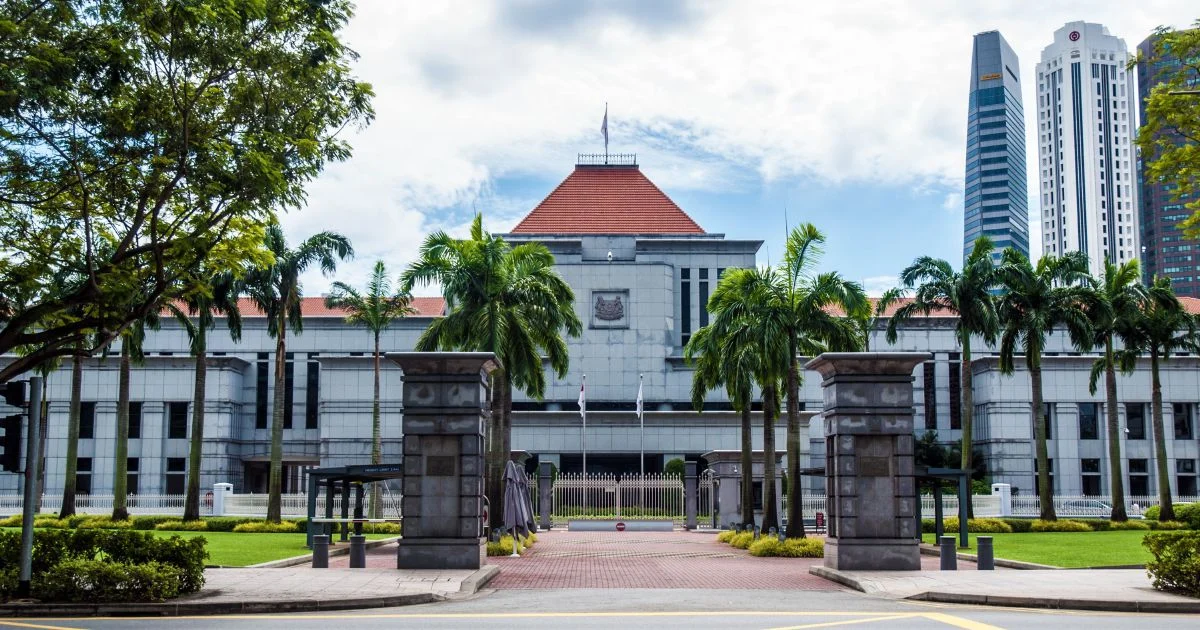
Singapore authorities have detained a 40-year-old man in connection with a series of anonymous bomb threats directed at two key government installations, according to police statements released this week. The arrest underscores the persistent vulnerability of critical national institutions to disruptive threats, even as security agencies across Southeast Asia continue to enhance protective measures.
The two targets of the threats—Parliament House and the Home Team Science and Technology Agency (HTX)—represent essential components of Singapore's governmental and security infrastructure. Parliament House serves as the seat of the nation's legislative body, while HTX functions as the research and development division supporting Singapore's internal security and law enforcement operations. The dual targeting suggests either a coordinated effort to destabilise confidence in state institutions or an attempt to generate maximum disruption across multiple sensitive sites simultaneously.
Bomb threats, even those ultimately deemed unfounded, carry significant operational and psychological consequences for targeted organisations and the broader public. They necessitate immediate evacuation protocols, resource-intensive investigations, and the deployment of specialist bomb disposal units. For a densely populated city-state like Singapore, such incidents can create cascading disruptions across adjacent areas and transport networks, affecting thousands of individuals and generating widespread anxiety beyond the immediate target locations.
The investigation into this case reveals a pattern of anonymous communications, suggesting the suspect employed methods designed to obscure his identity and complicate law enforcement tracking. The anonymity of the threats presents investigative challenges that require coordination between multiple agencies, including the police's counter-terrorism units and cybercrime specialists. The eventual identification and arrest of the suspect demonstrates the sophistication of Singapore's investigative capabilities and its integrated approach to threat assessment.
For Malaysia and other Southeast Asian nations, this incident carries particular relevance. The region has experienced various security incidents targeting government facilities, and the methods employed in threat-making often transcend national borders through digital and telecommunications channels. Authorities across the region frequently coordinate responses to threats that may originate outside their immediate jurisdictions, creating a shared operational environment for security agencies.
The motivations behind such threats vary considerably across cases—ranging from personal grievances and mental health crises to calculated attempts at social disruption or ideological expression. Understanding the specific circumstances that prompted this individual's actions becomes crucial for threat assessment professionals seeking to distinguish between genuine security risks and hoaxes designed primarily to generate public alarm and institutional disruption.
Singapore's rapid response and apprehension of the suspect reflects the substantial resources devoted to domestic security monitoring. The city-state operates one of the region's most sophisticated surveillance and intelligence frameworks, combining technological systems with human intelligence networks to track potential threats before they materialise into actual incidents. However, the successful execution of these threats—in reaching their target institutions—indicates that vulnerabilities persist despite these considerable investments.
The legal consequences for making false bomb threats in Singapore are substantial, with penalties under the Penal Code and Prevention of Harassment Act potentially including lengthy prison sentences and significant fines. These deterrent measures form part of Singapore's broader strategy to discourage similar conduct, though their effectiveness in preventing motivated individuals from pursuing such actions remains variable.
The incident also highlights the importance of public reporting mechanisms in the security ecosystem. Individuals who observe suspicious communications or threatening behaviour play a vital role in early threat detection, and Singapore's police have consistently encouraged community vigilance and reporting. This public-private dimension of security represents an increasingly important component of threat prevention across the region.
For businesses and organisations operating in Singapore and throughout Southeast Asia, incidents of this nature reinforce the need for robust crisis management protocols and staff training in emergency response procedures. The repeat targeting of high-profile government sites suggests that security planners must continuously assess evolving threat patterns and adapt defensive measures accordingly.
The arrest serves as a reminder that while Singapore maintains one of the region's strongest security apparatus, no institution can achieve complete imperviousness to determined individuals. The balance between maintaining open access to government facilities and implementing stringent security measures remains a persistent challenge for democratic societies managing security within the constraints of public accountability and accessibility.

