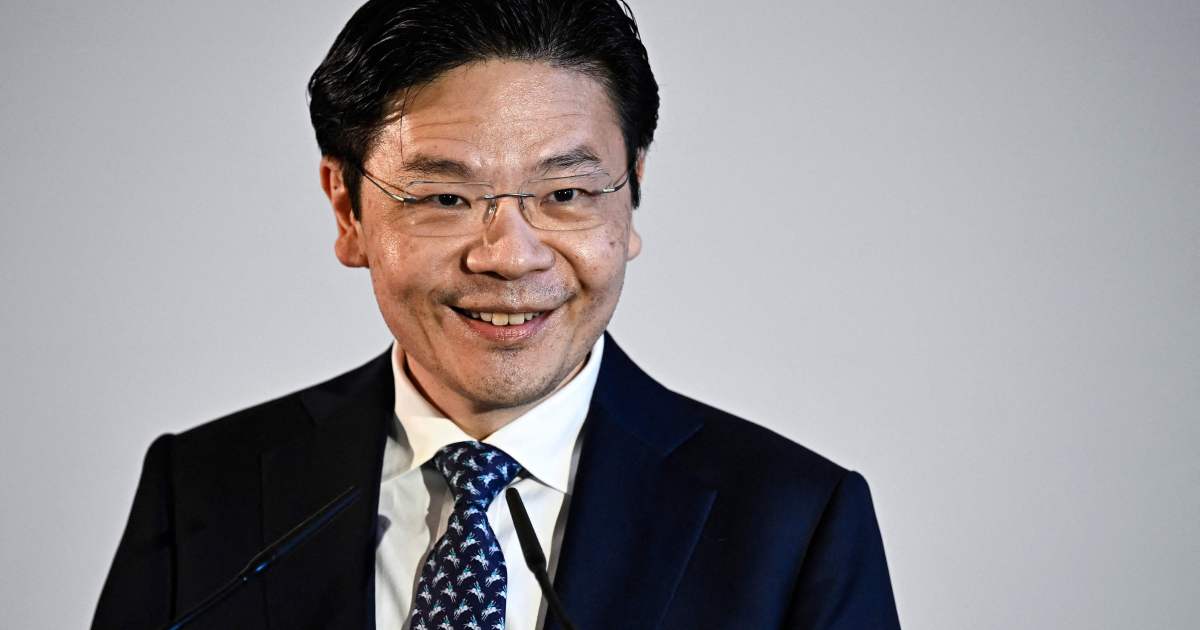
Singapore Prime Minister Lawrence Wong unveiled substantial changes to his cabinet and political appointments on Wednesday, marking another phase in the government's carefully managed succession and renewal process. The restructuring follows recent resignations within the ranks of political officeholders, signalling a deliberate effort to refresh and reposition the city-state's upper echelon of leadership as it navigates an increasingly complex geopolitical and economic landscape.
The timing of Wong's announcement comes as Singapore continues its carefully orchestrated transition from the Lee Hsien Loong administration that governed for nearly two decades. This latest reshuffle represents an opportunity for Wong to consolidate his premiership by placing trusted allies and emerging talent into key positions, thereby establishing his own distinct leadership imprint across the government machinery. Such transitions in Singapore's hierarchical governance structure are typically executed with considerable deliberation and strategic planning, aimed at maintaining institutional continuity whilst signalling renewal to both domestic and international audiences.
The cabinet changes introduce new faces into prominent ministerial roles whilst reshuffling existing officeholders to different portfolios. These transitions in Singapore's political system are rarely coincidental, as senior leadership typically uses such moments to address governance challenges, align ministerial teams around strategic priorities, and create pathways for younger talent to assume greater responsibilities. The appointments also reflect Wong's assessment of which individuals possess the requisite experience and capability to steer critical government functions during an uncertain period.
For Southeast Asian observers, Singapore's cabinet dynamics merit close attention given the nation's outsized regional influence as a financial hub, strategic shipping chokepoint, and political bridge between major powers. Changes in Singapore's leadership structure often carry implications for regional economic coordination, defence cooperation frameworks like the Five Power Defence Arrangements, and Singapore's careful balancing act between American and Chinese interests. Malaysia and other neighbouring states frequently calibrate their relationships based on Singapore's political stability and the identity of key ministers responsible for regional affairs.
The recent resignations that prompted this reshuffle underscore the pressures inherent in Singapore's high-performing bureaucratic culture, where expectations for administrative excellence and political discipline remain extraordinarily stringent. Whether driven by policy disagreements, personal circumstances, or strategic repositioning, such departures create vacancies that must be filled strategically to avoid perceived governance lapses. Wong's response demonstrates the government's commitment to maintaining the institutional competence upon which Singapore's reputation rests.
From an economic perspective, observers will scrutinise which ministries received particular attention during this reshuffle. Portfolios overseeing finance, trade, economic development, and regional integration carry special weight in Singapore's economic survival strategy. The assignment of experienced or promising ministers to these positions signals government priorities and confidence in particular policy directions. Given global economic uncertainty, trade tensions, and the ongoing importance of Singapore's entrepôt role, these appointments carry real consequences for regional commerce and investment flows.
Singapore's political appointment system differs markedly from Westminster-style democracies, combining meritocratic principles with consensus-based leadership and long-term strategic planning. Cabinet reshuffles therefore function not merely as personnel adjustments but as deliberate instruments through which the ruling party signals its governing philosophy, addresses emerging challenges, and manages internal dynamics. Wong's decisions reveal his thinking about Singapore's medium-term governance agenda and the capabilities he believes essential to executing that agenda successfully.
The involvement of new political appointees alongside established figures suggests a deliberate blending of experience and fresh perspectives. This approach reflects Singapore's understanding that effective governance requires both institutional memory and willingness to embrace new approaches. By promoting emerging leaders alongside veterans, Wong positions his administration to both honour past successes and demonstrate responsiveness to contemporary challenges. This balance proves critical for maintaining both the bureaucratic cohesion that sustains Singapore's efficient governance and the adaptability increasingly necessary in a rapidly changing world.
For Malaysian readers, these developments carry specific relevance given the long and complex relationship between Kuala Lumpur and Singapore. Cabinet assignments affecting external affairs, defence, and cross-border matters directly impact bilateral relations, joint ventures, and mechanisms for resolving recurring issues like water pricing and shipping lane disputes. The identity of Singapore's key ministers shapes the tone and substance of high-level engagements with Malaysian counterparts, influencing everything from port cooperation to regional security dialogue participation.
Looking ahead, the full implications of Wong's reshuffle will become apparent as these ministers assume their roles and address pressing governance challenges. Singapore's ability to execute this transition smoothly whilst maintaining institutional effectiveness serves as a benchmark for the city-state's continued political stability and regional standing. The appointments also establish a framework within which Wong can pursue his own strategic vision for Singapore's development, particularly regarding digital transformation, sustainability, and Singapore's positioning within evolving regional architecture.

