Singapore's Prime Minister Lawrence Wong has reached out directly to Indonesia's President Prabowo Subianto with formal condolences after a catastrophic earthquake struck the Flores archipelago in eastern Indonesia on Saturday, August 15. The disaster has claimed more than 50 lives, left at least 135 others injured, and caused extensive destruction to residential areas and infrastructure across the affected region. The devastating natural event has drawn sympathetic responses from regional leaders, with Wong's outreach underscoring the interconnected nature of Southeast Asian societies and the importance of bilateral solidarity during times of crisis.
Wong's expression of sympathy came through a Facebook statement released on Sunday, August 16, where he conveyed the collective grief and support of Singapore. The Prime Minister emphasised that the Singapore Government stood alongside the Indonesian people and their authorities during this period of acute hardship and uncertainty. His message highlighted the work being undertaken by emergency response teams and rescue personnel who were mobilising resources to assist survivors and restore normalcy to affected communities.
The initial 7.7-magnitude seismic event that struck near Flores early on August 15 proved particularly destructive due to its intensity and the densely populated nature of the affected areas. Hundreds of structures sustained damage ranging from minor to severe, with many homes rendered uninhabitable. The sheer force of the earthquake triggered a succession of aftershocks, with Indonesian disaster officials reporting that nearly 1,000 tremors followed the main event in the subsequent hours, creating a prolonged period of danger and distress for inhabitants and complicating rescue operations.
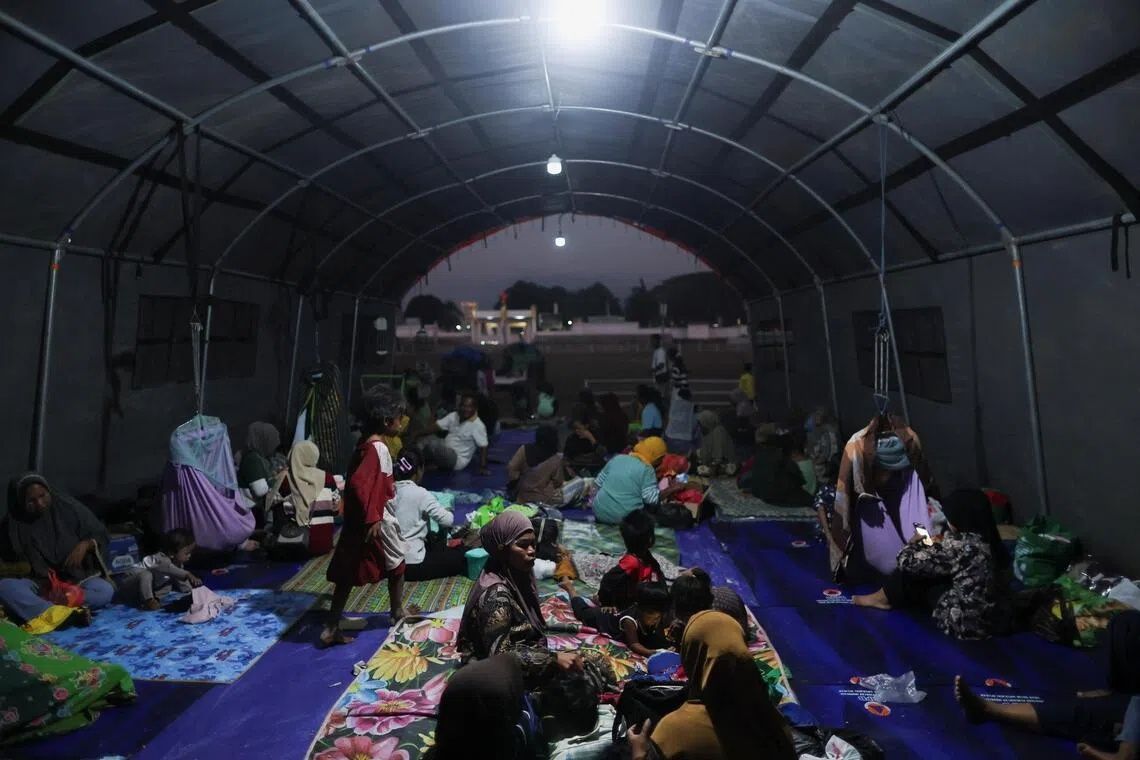
The humanitarian toll extended beyond casualties and structural damage. Approximately 5,000 residents were forced to evacuate their homes in the immediate aftermath, seeking shelter in temporary facilities and open spaces away from potentially unstable buildings. Many remained displaced as of August 16, facing uncertain prospects for returning to their residences. This mass displacement created urgent humanitarian needs that overwhelmed local resources and required coordinated assistance from national authorities and international partners.
As a secondary but significant development, a second major earthquake measuring 6.1 in magnitude struck the waters off northern Sumatra only hours after the Flores disaster. This subsequent event, while fortunately resulting in no confirmed casualties at the time of initial reporting, added to the broader seismic anxiety gripping the Indonesian archipelago and necessitated heightened vigilance across multiple regions simultaneously. The succession of major earthquakes within a brief timeframe underscored the intense geological activity occurring throughout the Indonesian subduction zone.
The immediate humanitarian situation facing survivors required comprehensive emergency support. Rescue officials issued urgent appeals for essential supplies and equipment, including emergency shelter materials, food provisions, medical supplies, potable water, and power generation equipment to restore electricity to affected areas. The lack of these basic necessities created cascading problems for survivors already traumatised by the disaster, limiting their ability to receive medical attention, maintain hygiene standards, and preserve food in the tropical heat.
For Malaysia and other Southeast Asian nations, the Flores earthquake serves as a sobering reminder of the region's vulnerability to seismic activity and the importance of maintaining robust disaster preparedness frameworks. Indonesia's position along the Pacific Ring of Fire makes it one of the world's most earthquake-prone countries, with catastrophic events occurring with distressing regularity. Regional partners must remain alert to the potential for cascading disasters that could affect shipping lanes, communications infrastructure, and the broader economic system that binds Southeast Asian nations together.
Wong's diplomatic gesture, while ostensibly symbolic, carries practical significance in reinforcing the bonds of cooperation between Singapore and Indonesia. Such messages of solidarity during periods of acute suffering help establish frameworks for mutual assistance and may facilitate faster mobilisation of aid resources. Singapore, as a developed nation with advanced emergency response capabilities, has historically supported Indonesian relief efforts in previous disasters, and Wong's statement implicitly signals readiness to assist if requested.
The earthquake also highlights the disparity in disaster resilience infrastructure between developed and developing nations within Southeast Asia. While Singapore maintains state-of-the-art early warning systems and earthquake-resistant building standards, many Indonesian communities in rural areas like Flores lack sophisticated protection measures. This vulnerability gap underscores the need for continued international cooperation on disaster risk reduction and building code improvements throughout the region.
Beyond the immediate crisis response, the disaster raises important questions about long-term recovery planning and climate-related vulnerabilities that often compound earthquake damage in developing regions. Reconstruction efforts typically require years of sustained effort, and communities that lack financial reserves struggle to rebuild while managing the psychological trauma of losing homes and loved ones. International attention and support often fade quickly, leaving affected populations to navigate extended recovery periods with limited external assistance.
The incident also demonstrates the critical role played by national disaster agencies in coordinating response efforts and communicating accurate information to guide rescue operations and public safety. Indonesia's national disaster agency, by providing detailed casualty figures and aftershock data, enabled neighbouring countries to comprehend the scale of the crisis and determine appropriate assistance levels. This transparency proved valuable for regional partners seeking to calibrate their responses proportionally to actual needs.

