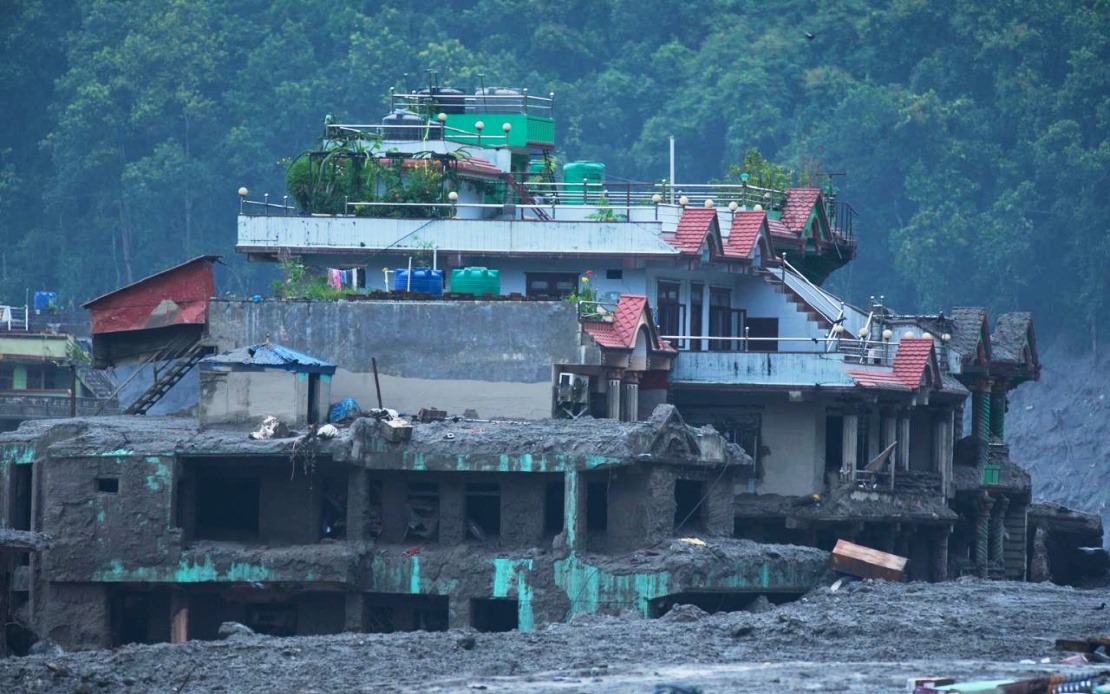
A humanitarian crisis unfolding across the Nepal-China border has drawn Singapore into an urgent international response effort, with Prime Minister Lawrence Wong confirming that at least two Singapore nationals remain missing in the aftermath of devastating flash floods that have swept through the Himalayan region. The flood event, which struck northern Nepal with lethal force, has left a trail of destruction and claimed multiple lives, with search and rescue operations continuing across affected territories as authorities grapple with the scale of the disaster.
The missing Singaporeans form part of a larger trekking cohort of 47 hikers whose whereabouts remain unknown following the sudden deluge. According to travel industry sources, the expedition group was organised by Himalayan Glacier Adventures, with chief executive Sagar Pandey confirming that participants hailed from multiple nations including Australia, Nepal, the United Kingdom, the United States and Russia. The diversity of the missing group underscores the international dimensions of this crisis and the coordinated challenge now facing multiple governments attempting to locate and assist their citizens.
Prime Minister Wong, addressing the unfolding situation through a Facebook statement on Thursday, emphasised Singapore's commitment to supporting affected nationals and their families during the emergency. The Ministry of Foreign Affairs has activated protocols for consular assistance, establishing direct communication channels with Nepali and Chinese counterparts to coordinate search efforts and gather intelligence on the whereabouts of missing Singaporeans. Wong extended formal condolences to the bereaved families and acknowledged the contribution of rescue personnel working under difficult conditions in the flood-ravaged terrain.
The diplomatic machinery activated by Singapore reflects the standard operating procedures for protecting citizens abroad during natural disasters. By working through established channels with Nepal and China—the two nations controlling territory affected by the floods—Singapore aims to ensure that Singaporean nationals receive priority assistance and that information flows efficiently between governments. This trilateral coordination is particularly important given the remote mountainous terrain where the floods occurred and the logistical complexity of mounting rescue operations in the affected region.
For Malaysian readers and Southeast Asian observers, this incident highlights the vulnerability of regional citizens engaging in high-altitude trekking expeditions across the Himalayan region. Nepal has become an increasingly popular destination for adventure tourism among affluent Asian travellers, with climbing and hiking operations representing a significant economic sector. However, the region's exposure to flash floods during monsoon season—particularly in narrow valleys and gorges—presents genuine risks that expedition operators and individual adventurers must carefully weigh.
The Ministry of Foreign Affairs has issued a travel advisory cautioning Singaporeans currently in Nepal to exercise heightened vigilance and avoid specific flood-affected districts including Rasuwa, Nuwakot, Dhading, Gorkha and Chitwan. The advisory specifically warns against proximity to rivers, riverbanks and low-lying areas where secondary flooding and flash flood recurrence remain possible. Travellers have been instructed to monitor local media updates continuously and comply with guidance from Nepali authorities, recognising that infrastructure disruptions may affect communications and transport networks across broad swathes of the affected region.
The practical challenges facing stranded or affected travellers are substantial. The floods have compromised road networks, disrupted public transport systems and severed communication links in multiple locations. Travellers attempting to move through affected areas face unpredictable conditions, with weather patterns remaining unstable and the structural integrity of bridges and roadways uncertain following the torrential rains. The advisory effectively urges restraint and recommends that Singaporeans postpone non-essential travel until conditions stabilise and authorities restore basic infrastructure.
From a regional perspective, this disaster exemplifies the climate-related hazards increasingly confronting Southeast Asian communities and those travelling through vulnerable zones. The Himalayan region experiences monsoon-driven rainfall events of considerable intensity, and climate scientists have documented trends toward more concentrated rainfall periods creating conditions conducive to flash flooding. Adventure tourism operators across the region must continually reassess risk management protocols and safety thresholds, particularly for expeditions traversing high-altitude valleys where terrain amplifies flood velocity and destructive potential.
The response from Singapore also demonstrates the importance of diplomatic relationships in crisis situations. Nepal's status as a destination for tourists from multiple developed nations means that its government must manage complex international expectations while responding to its own domestic emergency needs. Singapore's measured, cooperative approach—emphasising coordination rather than independent action—reflects pragmatic recognition that collaborative diplomacy yields superior outcomes during transnational disasters affecting multiple citizenries simultaneously.
As search and recovery operations continue across northern Nepal, the diplomatic and humanitarian dimensions of this crisis will likely extend over coming weeks. Families of missing persons face anguished uncertainty, while authorities confront the technical challenges of locating individuals across terrain made treacherous by flood damage. For Singapore and other nations with affected citizens, maintaining sustained engagement with Nepali and Chinese authorities will be essential to achieving closure and understanding how such an expedition encountered conditions that overwhelmed participants' capacity to respond safely.
The incident carries sobering lessons for adventure tourism throughout Asia. While trekking in Nepal and Tibet remains accessible and generally manageable for well-prepared groups, environmental hazards demand respect and sophisticated risk assessment. Expedition planners must balance commercial interests against legitimate safety concerns, and adventurers must acknowledge that no amount of preparation fully eliminates risks in mountainous environments prone to extreme weather. For regional governments like Singapore, maintaining robust consular support networks and clear communication protocols remains essential as increasing numbers of citizens seek experiences in these magnificent but unforgiving landscapes.

