A 55-year-old man was arrested in Singapore on July 5 following an armed incident near a residential housing block in Bedok North, where he was brandishing a saw and resisting police intervention. The incident unfolded at Block 539 Bedok North Street 3, prompting emergency response at approximately 3.25pm after officers received a report requesting assistance at the location. The situation developed into a confrontation that ultimately required the deployment of non-lethal force to bring the man into custody.
According to Singapore Police Force statements released the same day, the individual refused to heed multiple directives from officers to surrender the saw, instead maintaining the dangerous position while making incoherent vocalizations. His behaviour posed an immediate public safety risk, particularly given the residential nature of the area and the potential threat posed by the sharp implement he was holding. The refusal to comply with standard de-escalation techniques meant that tactical intervention became necessary to prevent potential harm to himself, the assembled police personnel, or nearby residents.
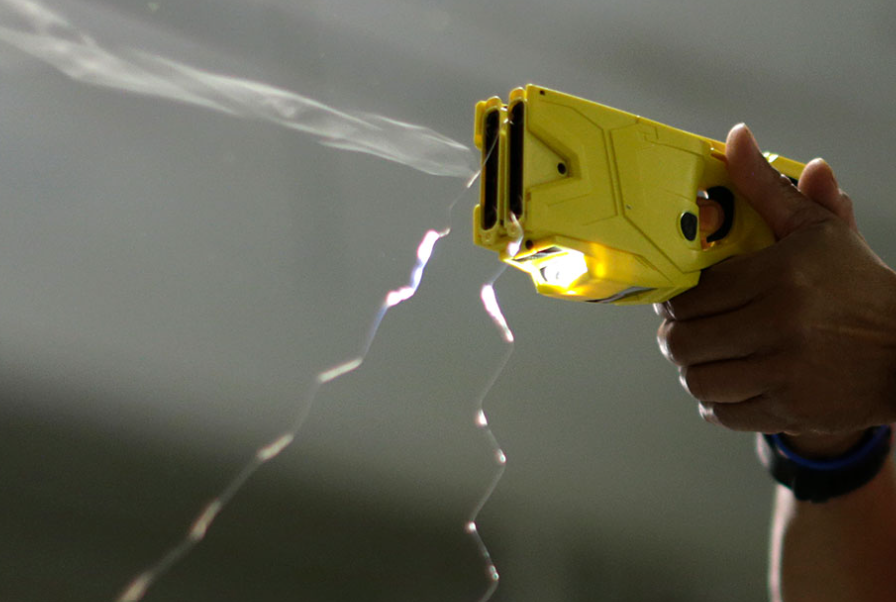
In response to the escalating nature of the standoff, police officers deployed a Taser device to incapacitate the man and neutralize the threat. This application of conducted energy weapons represents a measured approach to managing situations involving armed and uncooperative individuals, allowing officers to bring a dangerous incident under control while minimizing physical injury. The man remained conscious throughout the arrest process and was subsequently transported to Changi General Hospital for medical evaluation and treatment.
The arrested individual now faces a constellation of criminal charges reflecting the various aspects of the incident. These include public nuisance, an offence commonly applied when behaviour causes disturbance or annoyance to the community, and possession of an offensive weapon in a public place, which carries significant penalties in Singapore's strict legal framework governing weapons legislation. Additionally, authorities arrested him on suspicion of consuming a controlled drug, indicating that substance use may have been a contributing factor to his erratic behaviour during the incident.
The drug-related allegations have been escalated to Singapore's Central Narcotics Bureau, the specialized agency responsible for investigating narcotics offences across the island nation. This referral suggests that preliminary indications pointed toward controlled substance involvement, though investigations remain ongoing to establish the full circumstances and determine appropriate charges. Drug-related incidents often feature prominently in public order situations in Singapore, and authorities treat such matters with particular seriousness given the nation's uncompromising stance on narcotics.
No other individuals sustained injuries during the incident, a fact that underscores the effectiveness of the tactical response in containing a potentially volatile situation without escalating to more serious consequences. The police response demonstrates the protocols developed for managing armed, non-compliant individuals in populated residential areas where civilian safety must be the paramount consideration. Housing Board blocks in Singapore typically contain hundreds of residents, meaning that any incident in such locations carries inherent risks of wider public impact.
This incident reflects broader challenges that law enforcement agencies across Southeast Asia face in managing individuals experiencing mental health crises, substance abuse issues, or both simultaneously. The combination of weapon possession, incoherent behaviour, and drug involvement presents a complex enforcement situation requiring specialized training and appropriate tactical equipment. Singapore's police force has developed comprehensive procedures for such scenarios, balancing the need for officer and public safety with the imperative to use proportionate force.
The incident also highlights the role of emergency communication systems in residential areas, where vigilant residents or building management can alert authorities quickly when concerning behaviour emerges. The rapid response to the call for assistance at the Bedok North location likely prevented the situation from deteriorating further. Community awareness and willingness to report suspicious or dangerous activity contribute significantly to effective public safety outcomes.
For residents of Singapore's public housing estates, such incidents serve as reminders of the security apparatus surrounding their communities and the readiness of authorities to intervene when dangerous situations develop. The Bedok North area, like many Housing Board neighbourhoods across the island, maintains a steady police presence and emergency response capacity designed to protect the safety of the residential population. The swift containment of this particular incident demonstrates the operational effectiveness of these systems in practice.
The investigation's continuation suggests that authorities are still establishing the complete sequence of events leading to the confrontation and determining all relevant factors, including the man's mental state, substance use, and any circumstances that precipitated the saw-brandishing behaviour. Such comprehensive investigations are standard practice in Singapore, ensuring that all aspects of serious public order incidents are properly documented and analysed. The outcomes of these investigations may inform broader public health and social policy considerations regarding intervention and support for vulnerable individuals in the community.

