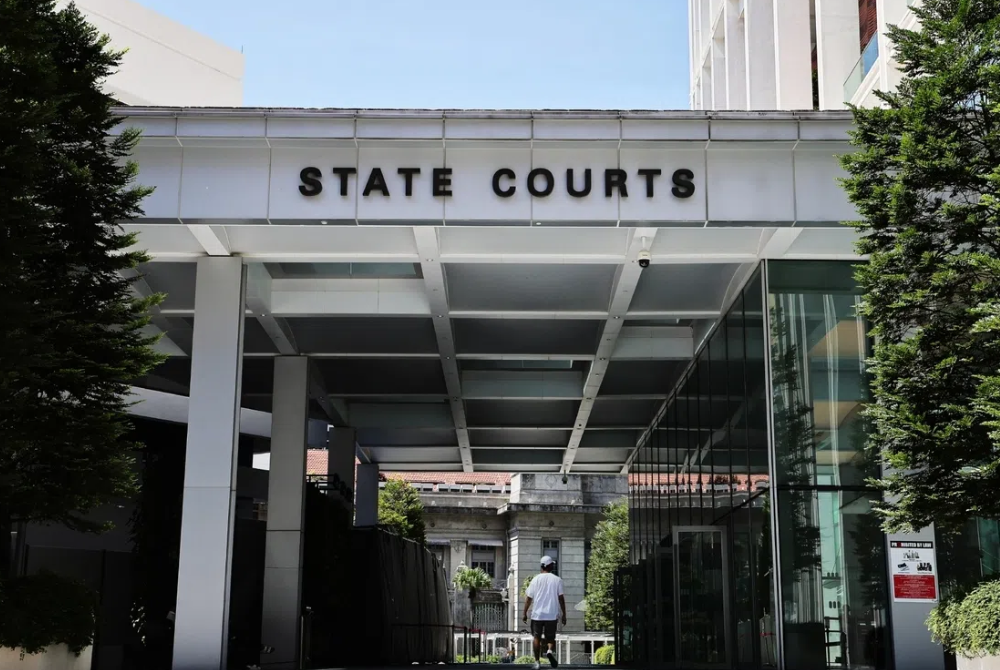
A Singapore court has handed down a sentence of nine years and ten months imprisonment, along with eight strokes of the cane, to a 31-year-old man convicted of systematically abusing children at a private educational facility. The August 21 judgment represents one of the more severe penalties for child abuse in the jurisdiction and underscores the gravity with which Singapore's courts treat violations of child welfare, particularly when perpetrated by adults in positions of trust.
The offender's catalogue of abuses against the pupils—who ranged in age from six to eleven at the time of the offences in 2023—reveals a pattern of sustained cruelty that shocked the district court. Beyond the physical violence, which included punching, beating with a clothes hanger until it fractured, and stomping on the children's bodies, the man subjected one six-year-old victim to degrading treatment that extended to forcing him to consume his own urine. This particular child, who had come from China to stay at the facility, became the focus of the prosecution's case and the judge's sentencing remarks, illustrating the depths of the abuse inflicted on vulnerable minors dependent on an adult's care.
District Judge John Ng's delivery of the sentence highlighted the physical toll of the abuse on the youngest victim. The judge documented that the boy had been struck at least 600 times and stomped on his back and buttocks at least 40 occasions. The injuries sustained were severe and life-threatening: rib fractures, acute kidney failure requiring nine days of dialysis treatment, and a general weakening of the body that left him unable to stand by the day's end. What made these injuries particularly egregious was that the offender deliberately withheld medical attention for three days, fearing that hospital staff would alert authorities to the abuse.
The offender's actions on March 9 and 10, 2023, exemplify the methodical nature of the cruelty. On March 9, he instructed the six-year-old to assume a push-up position while studying English. What began as a supposed study aid became a punishment spanning over eighteen hours—from 3:45 in the afternoon until the following morning. During this extended ordeal, the child was punched and stomped at 1:15 in the morning. Between 2 and 7 in the morning, the man placed a chair on the boy's back and sat on it, forcing the child to maintain the position despite his body's deterioration. When the boy needed to use the bathroom, the offender forced him to urinate into a basin and then made him drink the contents when he complained of thirst.
The following day, the man called the boy's father in China to request permission to discipline his son, a call that was notably deceptive in its brevity and lack of detail. The father, unaware of the violence already inflicted, granted permission. This apparent consent provided no safeguard; the offender continued his assault throughout the day using a clothes hanger—wielded with such force that it snapped—and his bare hands. By evening, the child's body had deteriorated so severely that he could no longer stand, prompting the man to carry him to the toilet and spray him with water, seemingly an attempt to clean away evidence of the abuse.
The perpetrator's lack of professional qualifications makes his position in the facility all the more troubling. Hired as a manager in 2016 by his aunt, who operated the educational establishment, he had no formal teaching credentials or childcare training despite being tasked with supervising students, instructing them in academic subjects, and monitoring their homework. The facility itself provided accommodation for students and supported foreign pupils in their educational pursuits—a responsibility that demanded stringent safeguarding measures and qualified personnel. The offender's presence in such a role without appropriate credentials represents a systemic failure in screening and oversight that allowed his abusive behaviour to persist until authorities intervened.
The prosecution's case, presented by Deputy Public Prosecutors Timotheus Koh and Cheronne Lim, emphasized the breach of trust inherent in the offender's crimes. The prosecutors articulated how the man had exploited his position of authority over pupils who had been entrusted to his care and protection. Beyond the physical violence, they highlighted the psychological torment: the deliberate deprivation of food, the mockery, the forced consumption of bodily waste, and the prolonged stress positions that constituted forms of torture. The cumulative effect of these abuses was a child left with critical, life-threatening injuries—a consequence that would likely have been fatal without intervention.
During sentencing, Judge Ng addressed the defence's mitigation arguments, which centred on the offender's own traumatic childhood. The defence had presented evidence that the man's father was an alcoholic and his older brother a gang member, both of whom had physically abused him during his youth. While acknowledging this difficult background, the judge firmly rejected the notion that such circumstances excused the behaviour. "Being a young boy who had suffered at the hands of abusers, the offender should have been in a better position not to repeat such treatment to vulnerable victims who had trusted him to care for them and protect them," the judge stated. This reasoning reflects a modern judicial philosophy that recognises intergenerational trauma while maintaining firm accountability for choices made in adulthood.
The offender had pleaded guilty on July 9 to charges of child abuse, voluntarily causing grievous hurt, and providing false or misleading information to Singapore's Ministry of Manpower. The guilty plea eliminated the need for a trial but did not spare him a substantial sentence. At the moment of sentencing, he remained largely composed, keeping his head down as the judge delivered the judgment, occasionally glancing towards family members present in the courtroom. When offered a final opportunity to address the court or request a deferral to attend prayers, the judge denied his request, instead granting him time to speak with his family before being taken into custody.
The case has significant implications for educational institutions and childcare facilities across Singapore and the wider Southeast Asian region. It underscores the critical importance of rigorous vetting, background checks, and professional qualifications for anyone working with children. The failure to implement such protections at a private educational facility allowed months of sustained abuse to occur before discovery. For Malaysian parents and education authorities, the case serves as a cautionary reminder of the vulnerability of students in private facilities, particularly those accommodating international pupils who may be more isolated from family oversight and less likely to report abuse.
The sentence also reflects evolving standards in Singapore's criminal justice system regarding child protection. The combination of a substantial custodial term and corporal punishment signals that courts view such offences with utmost severity. For Malaysian legal observers and child protection advocates, the case demonstrates how courts in the region are increasingly prioritising child welfare and holding perpetrators accountable regardless of personal circumstances or attempts at mitigation. The protection of anonymity for the victims, mandated by law, ensures that the children can attempt to rebuild their lives without the additional burden of public identification with their trauma.

