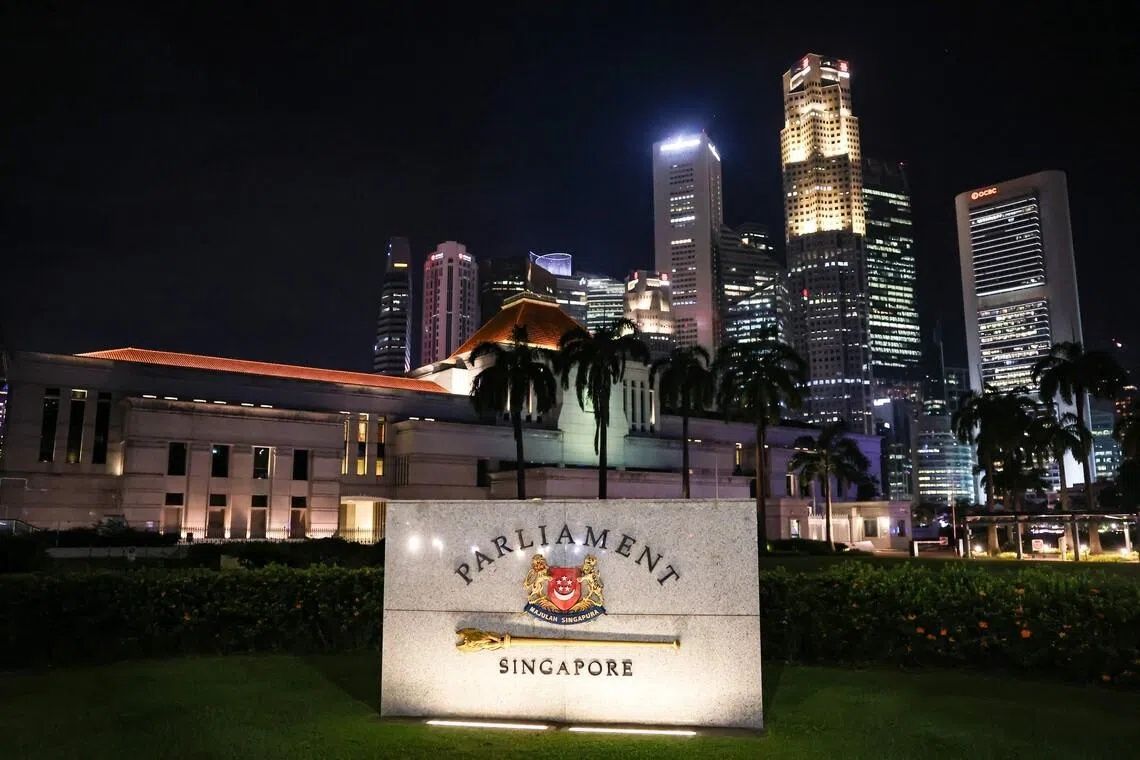
Singapore authorities have moved to prosecute a 40-year-old resident for perpetrating a series of hoax bomb threats directed at the nation's most sensitive government facilities in early July. The individual, arrested on July 7, is scheduled to face charges in court following what police describe as a coordinated campaign of deception that triggered security lockdowns and diverted investigative resources from genuine threats.
The incident began on July 3 when the Home Team Science and Technology Agency, located at One North, received a concerning online submission through an official reporting channel. The message falsely claimed that an explosive device had been planted within the agency's premises. Responding to the threat with appropriate urgency, security personnel and police initiated comprehensive sweeps of the building and its surrounding grounds, though investigators ultimately found no credible evidence of any device or suspicious material.
Four days later, on July 7, law enforcement received notification of a second threatening communication, this time directed at the Prime Minister's Office via email. The message asserted that Parliament House, the legislative heart of Singapore's government, harboured a concealed bomb. Once again, thorough security protocols were activated, with officials systematically searching the Parliament building and adjacent areas. As with the first incident, no items warranting security concern emerged from the exhaustive investigation.
The swift identification of a common perpetrator reflected coordinated detective work between the Criminal Investigation Department and the Central Police Division. Officers examining the digital fingerprints and communication patterns of both threats determined that a single individual had orchestrated the hoaxes. This determination enabled police to locate and apprehend the suspect on the same day as the second threat, preventing any potential escalation of the scheme.
Forensic examination of devices seized from the man's possession during his arrest revealed electronic equipment believed instrumental in crafting and transmitting the threatening messages. The technological sophistication involved—utilising online submission forms and email systems targeting high-level government entities—suggests a deliberate attempt to penetrate official communication channels and exploit institutional response procedures.
Singapore's legal framework treats such deceptions with considerable gravity. The man faces charges under provisions addressing the communication of false information concerning harmful objects, an offence that recognises the severe public consequences of bomb hoaxes. Upon conviction, the potential penalties include imprisonment of up to seven years, financial penalties reaching S$50,000, or a combination thereof. These substantial sentences reflect the jurisdiction's assessment of how false threats compromise national security infrastructure and public confidence.
From a regional security perspective, Singapore's swift response and prosecution highlight the sophisticated institutional capacity that Southeast Asian nations increasingly deploy against emerging digital threats. The incident underscores how contemporary hoaxes leverage technology and exploiting official channels rather than relying on traditional telephonic false reports. Malaysian authorities and other regional counterparts face similar challenges, particularly as malicious actors adapt methods to test government communication systems and emergency response protocols.
The police statement accompanying the charging decision emphasised the broader societal impact of such fabricated threats. Hoaxes consume critical public resources—from bomb detection specialists to trained response personnel—that would otherwise address genuine security concerns. Moreover, each false alarm contributes to a climate of anxiety among civil servants, legislators, and the general population, potentially eroding public confidence in institutional capacity to distinguish credible threats from malicious deception.
For Malaysia and the broader Southeast Asian region, the Singapore incident provides instructive lessons about emerging threat vectors. As governments across the region increasingly digitise official reporting channels and emergency communication systems, the vulnerability to coordinated hoaxes through those same platforms expands. The case demonstrates both the necessity of robust digital security protocols and the importance of maintaining human investigative capability to identify perpetrators leveraging technological intermediaries.
The timing and targeting of these threats merit consideration. Parliament House and central government agencies represent the most sensitive institutional targets, their selection suggesting either an attempt to generate maximum institutional disruption or a test of security response systems. Investigators will likely examine whether the perpetrator sought to expose vulnerabilities in notification procedures or operated purely to create chaos and anxiety.
As Singapore moves toward prosecution, the case signals zero tolerance for such deceptions while establishing important precedent within the jurisdiction's legal system. For Malaysian observers, the episode reinforces that threat hoaxes constitute serious criminal matters demanding comprehensive investigation and substantial judicial response. The regional implications extend to cybersecurity policy and institutional preparedness, areas where coordination between Singapore, Malaysia, and other neighbouring nations continues to develop amid evolving threat landscapes.

