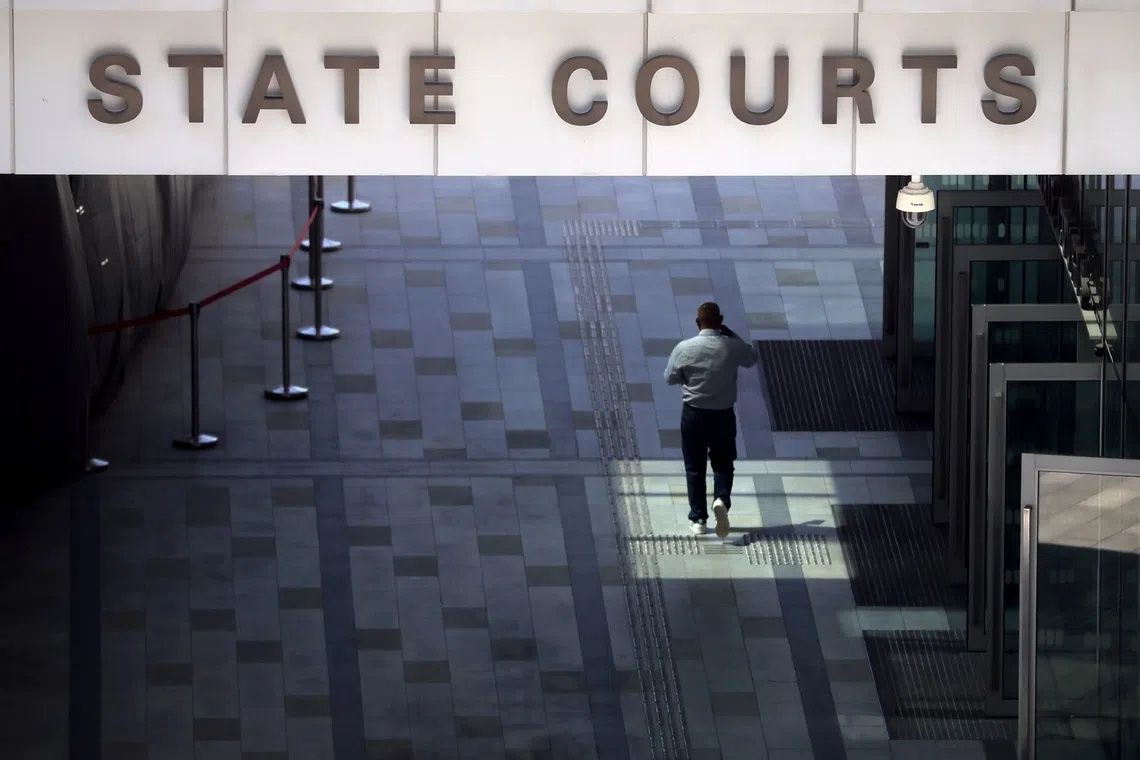
A 40-year-old man in Singapore faces serious charges of child abuse involving two separate incidents spanning September and October 2025, marking a stark reminder of the persistent challenges surrounding child welfare and family violence in the city-state. The individual, whose identity is protected by court order to safeguard the children involved, appeared in court on Thursday, August 6, to answer two counts of ill-treating a child—offences that carry significant penalties under Singapore's Children and Young Persons Act.
According to court documents, the first alleged incident took place in the early morning of September 8, 2025, when the man was present in his eighth-floor flat with his 10-year-old son. The prosecution alleges that during this time, he instructed the boy to remove his clothing entirely and subsequently directed him to take the lift down to the ground floor of the HDB block. The court records remain silent on whether the child actually complied with these instructions, leaving the full circumstances of this episode unclear. This particular allegation raises troubling questions about parental judgment and raises concerns among child protection advocates about emotional and psychological harm inflicted on minors.
The second alleged assault occurred approximately a month later, on October 3, 2025, at Changi Airport Terminal 3 in the early evening, shortly before 6pm. During this incident, the father allegedly inflicted multiple forms of physical violence against his eight-year-old daughter, including slapping, punching, and pushing the child. Court documents indicate that these violent acts resulted in visible injuries to the girl's face and neck, providing physical evidence of the alleged abuse. The public nature of this alleged assault—occurring in one of Singapore's busiest transportation hubs—underscores the brazen character of the purported misconduct and raises questions about whether bystanders may have witnessed the incident.
Notably, the court documents provided to the public do not elaborate on the underlying reasons or triggers for either alleged incident. This absence of disclosed motivation leaves observers to speculate about whether the incidents were products of parental frustration, disciplinary approaches gone awry, or deeper behavioural or mental health issues affecting the father. Understanding such contextual factors would prove essential for both the judicial process and any subsequent rehabilitation or support services the family might require.
Child abuse cases in Singapore have periodically drawn public attention and prompted discussions about the adequacy of existing protective frameworks. The Ministry of Social and Family Development has consistently emphasised its commitment to child protection, yet cases like this one highlight the ongoing challenge of preventing abuse within the privacy of homes and the difficulties in early intervention when warning signs may not be immediately apparent to extended family, neighbours, or community members. The prosecutorial decision to charge the father reflects law enforcement's determination to hold adults accountable when children's safety is compromised.
The protections afforded to the two children through court-ordered anonymity reflect Singapore's legislative approach to shielding minors from further harm or stigmatisation resulting from public exposure of abuse cases. This protective measure, while necessary for the children's wellbeing and future prospects, simultaneously limits public understanding of the circumstances surrounding the allegations. Such restrictions are common in Commonwealth-based legal systems and serve the paramount interest of the child, even when they reduce transparency in criminal proceedings.
The case is scheduled for further mention on August 13, at which point additional details may emerge regarding the prosecution's evidence and the defence's position. This interim period allows for investigations to be completed, legal counsel to prepare submissions, and the relevant authorities to assess whether additional concerns exist regarding the welfare of the two children or any other minors in the household. The subsequent court proceedings will be critical in determining the veracity of the allegations and establishing appropriate consequences or interventions.
For Malaysian and broader Southeast Asian observers, this case underscores the universal challenge of protecting vulnerable children within family structures where power imbalances are most pronounced. Regardless of geographical location, patterns of parental violence raise identical concerns about intergenerational trauma, the normalisation of abuse, and the psychological toll on affected children. Singapore's handling of such cases, including its investigative protocols and prosecutorial frameworks, may offer instructive examples for neighbouring jurisdictions examining their own child protection mechanisms.
The incident also prompts reflection on the adequacy of community-based early warning systems and the role of extended family, schools, healthcare providers, and social networks in identifying children at risk. Prevention-focused approaches that build awareness, provide parenting support, and create accessible reporting mechanisms have proven effective in reducing child abuse rates across developed societies. As Singapore continues to address these challenges, the balance between respect for family privacy and active child protection remains a delicate policy frontier.

