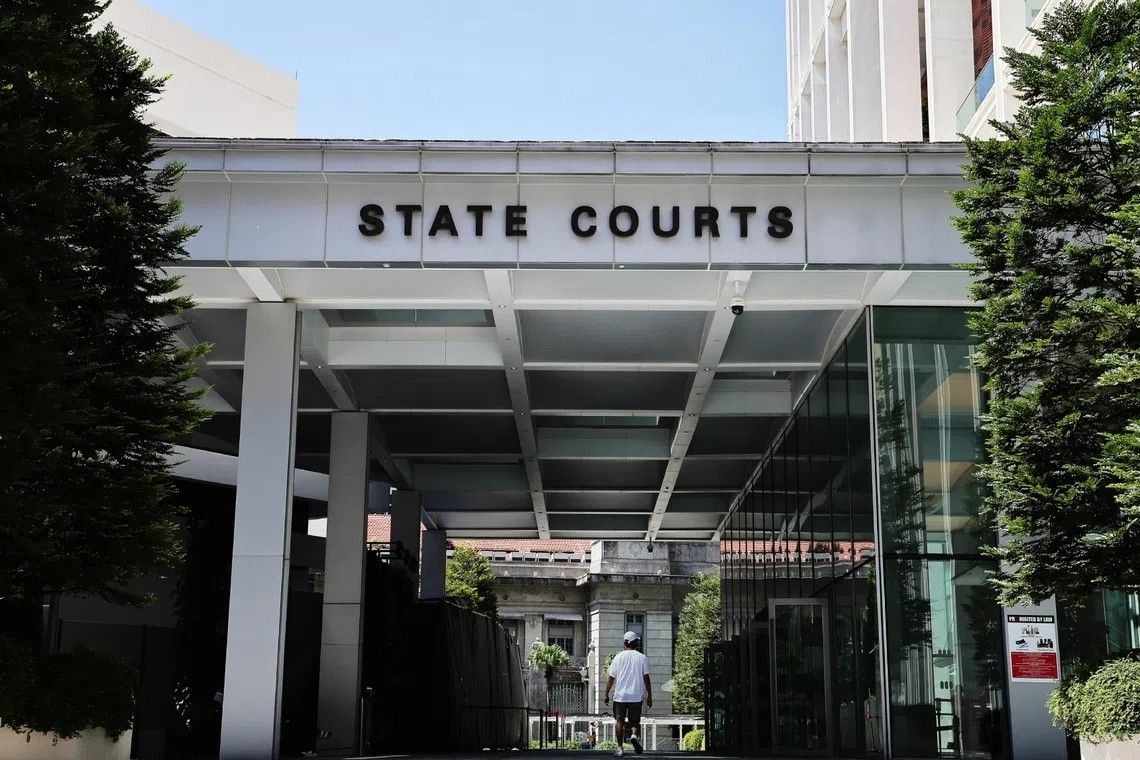
A 22-year-old man in Singapore now faces serious criminal charges following a fatal collision at a petrol station in the early hours of August 6 that claimed the life of a 69-year-old pump attendant. Ray Png AZ received eight charges on August 8, encompassing allegations of operating a deregistered motor vehicle, driving without a valid licence, driving without due care and attention resulting in death, and driving while under the influence of drugs. The incident has reignited concerns about the dangers posed by unregistered vehicles on Singapore's roads and the catastrophic consequences when combined with impaired driving.
Authorities say the collision occurred at approximately 3.55am at the Esso petrol station on Upper Changi Road North. According to police statements, the vehicle was being reversed abruptly by its driver while the pump attendant was preparing to refuel the car. The open driver's door struck the elderly attendant with enough force to knock him to the ground. The victim suffered a critical head injury from the impact and was rushed to hospital, where he subsequently died from his injuries. The driver did not remain at the scene, instead abandoning the vehicle and fleeing with a female passenger who was travelling with him.
Law enforcement personnel located and arrested both individuals later that same day. The female passenger is currently under investigation for her own alleged involvement in the incident, specifically for consuming a controlled substance and for potentially abetting the driver. Her legal position remains separate from the driver's prosecution, though her presence in the vehicle at the time raises questions about the circumstances leading up to the collision and whether she played any role in facilitating or encouraging the risky behaviour.
The severity of the charges reflects the multi-layered nature of the alleged violations. Operating an unregistered motor vehicle is particularly serious in Singapore's regulatory framework because it strips away critical legal protections. Unregistered vehicles lack the mandatory insurance coverage that protects other road users and may not meet current safety standards required for roadworthiness. When such vehicles are operated by drivers without valid licences, particularly those allegedly under the influence of intoxicating substances, the compounded risks to public safety become acute. The police statement emphasised this point explicitly, noting that the combination of an unregistered vehicle, an unlicensed or underage driver, and drug impairment creates exponentially greater hazard to everyone sharing the road.
The allegation of drug impairment adds a particularly troubling dimension to the case. Driving under the influence of any substance—whether alcohol or narcotics—impairs cognitive function, reaction time, and motor control. In this instance, toxication may have contributed directly to the abrupt reversal manoeuvre that triggered the collision. Singapore has maintained strict drug enforcement policies, and charges related to driving while impaired are treated with considerable gravity by the courts. The combination of drug-impaired operation with a death outcome typically results in substantial custodial sentences upon conviction.
Singapore's legal framework prescribes severe penalties for each of these offences, reflecting the seriousness with which the authorities regard such violations. A conviction for operating without a valid licence carries a maximum fine of $10,000, imprisonment up to three years, or both, with potential forfeiture of the vehicle involved. The charge of driving without due care and attention causing death carries identical financial and custodial penalties. Driving under the influence of drugs carries a fine ranging from $2,000 to $10,000, jail time up to one year, or both, along with mandatory disqualification from holding any category of driving licence. Finally, operating a deregistered vehicle incurs a fine up to $20,000, imprisonment up to two years, or both. While these penalties are prescribed individually, courts typically consider aggregate harm and may impose concurrent or consecutive sentences depending on the circumstances.
The case represents a stark reminder of the cascading consequences of poor decisions in the early morning hours. The 69-year-old pump attendant, whose identity has not been disclosed, was performing routine occupational duties when the collision occurred—he was neither the driver nor a voluntary participant in any risky activity, yet bore the ultimate cost. His death leaves grieving family members and raises uncomfortable questions about workplace safety at petrol stations, where staff interact with vehicles in close quarters during vulnerable moments.
For the broader Malaysian and Southeast Asian context, this incident illuminates ongoing challenges with vehicle registration enforcement and drug-impaired driving across the region. Like Singapore, Malaysia has struggled with enforcement of vehicle registration requirements and licence compliance. The case also highlights how substance abuse continues to be intertwined with serious traffic violations in urban centres throughout the region. The intersection of these factors—unregistered vehicles, unlicensed drivers, and drug impairment—remains a persistent public safety concern that transcends individual jurisdictions.
Ray Png AZ is scheduled to appear for a pre-trial conference on August 28, when the court will determine the procedural pathway forward. Whether the case proceeds to trial, enters a plea agreement, or follows another trajectory will become clear at that juncture. The court's eventual determination will likely establish precedent regarding the sentencing framework for such compound offences and may influence enforcement priorities across Singapore's traffic police division.
The incident serves as a sobering case study in how multiple risk factors—vehicle illegality, driving without authorisation, substance intoxication—converge to produce irreversible tragedy. For pump station operators and their employees throughout Southeast Asia, it underscores the inherent hazards of their occupation and the unpredictable nature of interactions with motor vehicles. For policymakers, it reinforces the importance of robust vehicle registration databases, random roadside checks, and effective substance abuse intervention programmes. Most fundamentally, for any driver considering operating an unregistered vehicle while impaired, the case represents a cautionary tale whose cost was measured in a human life.

