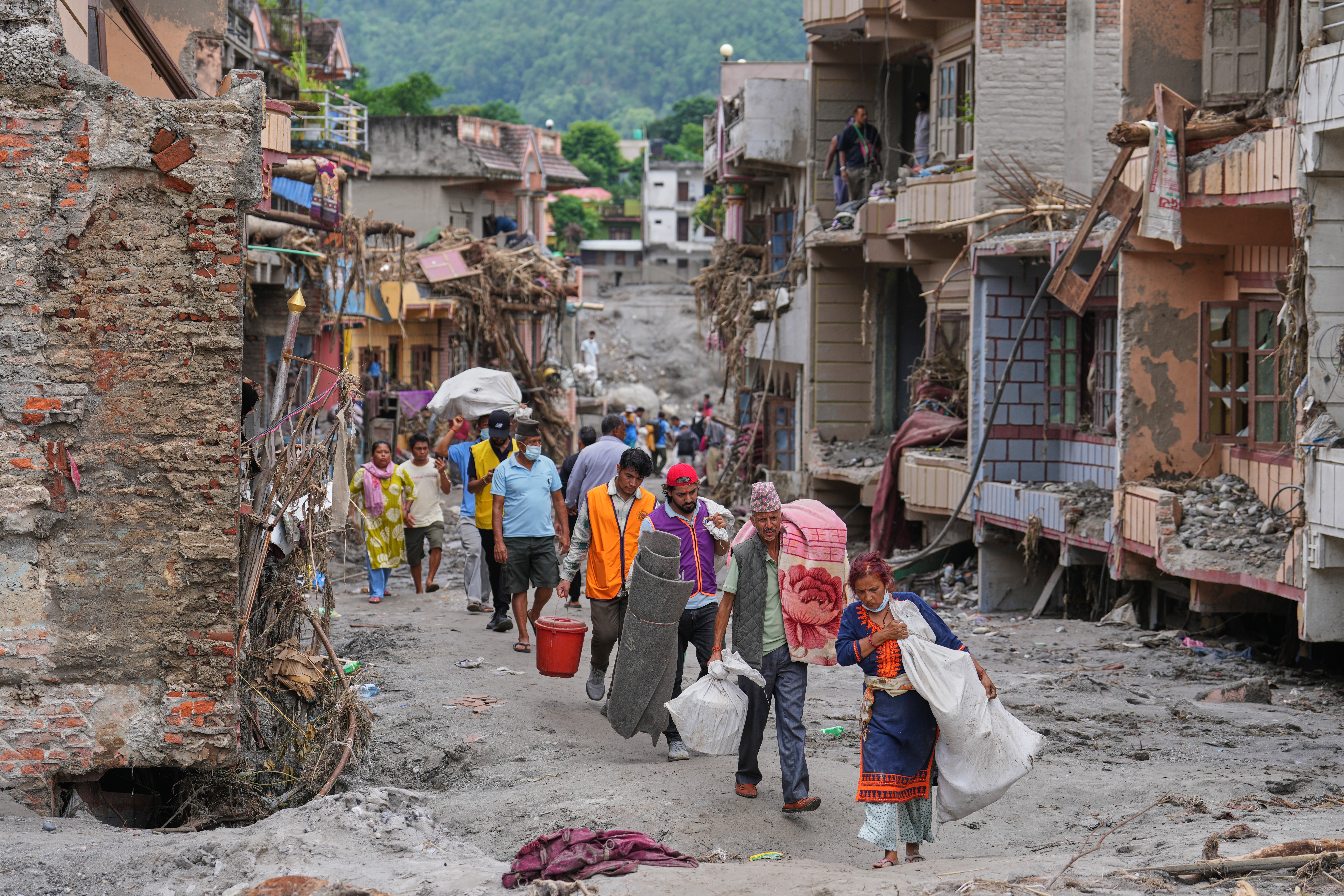
Singapore has committed to a substantial humanitarian response to Nepal's catastrophic flooding disaster, mobilising both civilian and military resources to support the neighbouring country's relief operations in the aftermath of severe flash floods and mudslides near the Nepal-China border. The commitment represents Singapore's active engagement in regional disaster response and comes at a critical juncture as rescue and recovery efforts intensify across affected areas.
Foreign Minister Dr Vivian Balakrishnan personally communicated Singapore's assistance to Nepalese Foreign Minister Shisir Khanal during a telephone conversation on Monday, signalling high-level diplomatic coordination. This direct engagement between foreign ministries underscores the gravity of the situation and the bilateral commitment to collaborative disaster management in the region.
The Singapore Police Force will deploy specialised officers trained in Disaster Victim Identification (DVI), responding to a specific request from the Nepalese government. This technical expertise addresses one of the most challenging aspects of large-scale disasters—the systematic identification of deceased individuals, which becomes increasingly complex as casualty numbers rise and recovery operations extend over prolonged periods. DVI specialists require extensive training in forensic protocols, documentation procedures, and coordination with local authorities.
Beyond personnel, Singapore is also delivering humanitarian supplies from both civilian government reserves and the Singapore Armed Forces. The nature of such assistance typically encompasses medical equipment, emergency shelter materials, food supplies, and water purification systems essential for sustaining displaced populations and supporting frontline rescue workers. The deployment of military-grade supplies indicates the scale of resource requirements facing Nepalese authorities.
Singapore's Crisis Response Team has maintained a ground presence in Nepal since August 27, just two days after the disaster struck. This team provides crucial consular assistance to affected Singaporean citizens and their families, coordinates with local authorities, and gathers real-time information to inform the government's broader relief efforts. The early establishment of this presence demonstrates Singapore's preparedness in regional crisis management.
Monetary contributions complement the material and personnel assistance. Singapore previously announced a US$100,000 (RM403,000) donation to the Singapore Red Cross' public fundraising campaign for Nepal relief. Through August 31, the Red Cross had accumulated approximately S$1 million (RM3.16 million) in donations from Singapore's private sector and public contributors. This funding mechanism allows sustained support beyond immediate government commitments and engages corporate and individual philanthropic resources.
The disaster's humanitarian scale remains staggering six days after initial impact. Official casualty figures indicate at least 919 confirmed deaths, with nearly 4,800 individuals reported missing. Particularly concerning is the presence of 853 foreigners among the missing persons, creating complex consular and diplomatic dimensions to rescue operations. This international dimension requires coordination between Nepal's authorities and multiple foreign governments, each mobilising resources to support their nationals.
For Malaysia and other Southeast Asian nations, this disaster presents both immediate and longer-term considerations. The region's geographic exposure to similar natural disasters—monsoon flooding, landslides, and flash flooding—makes Nepal's experience instructive for Malaysian emergency response planning. The effectiveness of Singapore's rapid deployment model, emphasis on technical expertise in victim identification, and coordination mechanisms offers relevant lessons for Malaysia's disaster management frameworks.
Singapore's response also reflects the broader Association of Southeast Asian Nations (ASEAN) regional framework, which emphasises mutual assistance during natural disasters. Though Nepal is not an ASEAN member, the principles of collective humanitarian responsibility and rapid technical response that guide ASEAN disaster protocols inform bilateral responses throughout Asia. Singapore's actions set an example for comprehensive, multi-faceted assistance that combines immediate relief with longer-term recovery support.
The disaster underscores the ongoing vulnerability of mountain regions prone to flash flooding during monsoon seasons. The Nepal-China border area, characterised by steep topography and heavy precipitation patterns, experiences particularly dangerous conditions when heavy rainfall triggers sudden watercourses to swell beyond capacity. Infrastructure limitations and dispersed settlement patterns in such regions further complicate rescue and recovery operations, extending response timelines and increasing resource requirements.
Singapore's commitment to ongoing coordination with Nepal's government signals an anticipated extended engagement beyond initial emergency response. This longer-term perspective recognises that disaster recovery unfolds over months rather than days, requiring sustained technical support, logistical coordination, and diplomatic communication as Nepal transitions from emergency rescue to reconstruction phases.
The substantial casualty figures and missing persons underscore the disaster's catastrophic scope. As identification and recovery operations continue, the demand for specialised expertise will likely increase rather than diminish. Singapore's deployment of DVI specialists positions the city-state as a significant contributor to the technical dimension of response operations, providing capacity that Nepalese authorities cannot readily access domestically given the extraordinary scale of the emergency.

