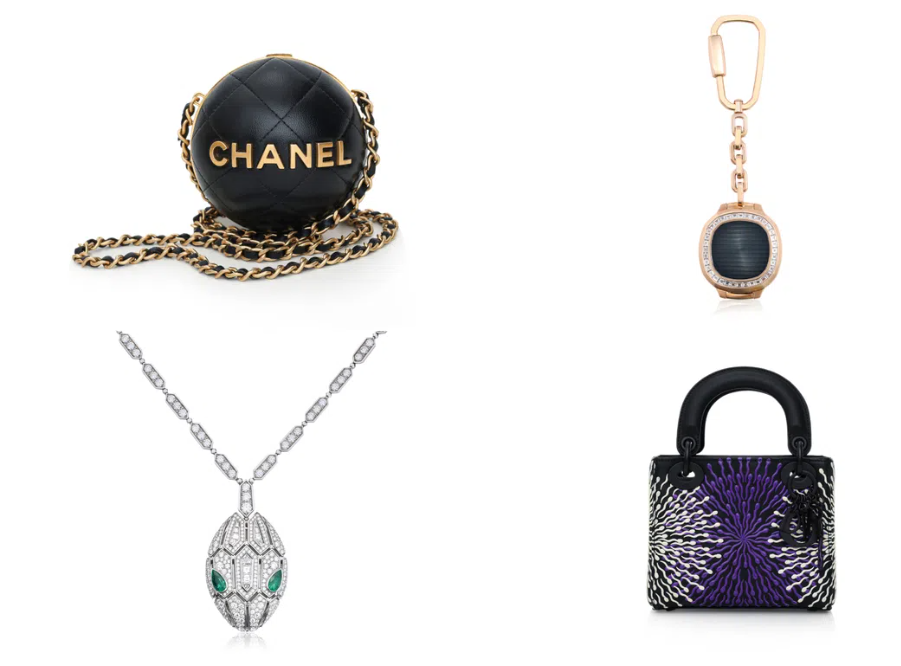
Singapore's authorities will begin liquidating assets seized in the nation's largest money laundering investigation through a series of global online auctions, with the first sales scheduled to open in early September. The S$3 billion case, which concluded with the conviction and deportation of 10 foreign nationals in 2025, generated an unprecedented collection of luxury goods ranging from haute couture handbags to fine timepieces that will now be offered to international bidders. Professional services firm Deloitte, managing the asset recovery process, announced that more than 80 properties tied to the criminal network would be progressively marketed alongside smaller items through a carefully staged sales programme.
The inaugural phase of auctions will feature two dedicated sales events launching simultaneously on September 7, 2026. Hotlotz, a Singapore-based auction house that achieved notoriety for selling founding Prime Minister Lee Kuan Yew's personal Montblanc fountain pen for S$461,500 earlier this year, will oversee the liquidation of luxury consumer goods. The first two timed online auctions—one focused exclusively on jewellery and another on handbags and accessories—will run for nearly two weeks, opening at 10am and closing at 4pm on September 20. Digital catalogues will be released simultaneously with the auction launch, allowing registered bidders worldwide to review items before placing bids.
The inaugural sales will showcase a remarkable array of designer merchandise that underscores the scale of the criminal operation uncovered during the August 2023 investigation. The handbag and accessories auction will feature more than 300 pieces from established luxury houses including Chanel, Louis Vuitton and Christian Dior, while the jewellery sale will present over 250 fine pieces from prestigious manufacturers such as Graff, Bulgari and Van Cleef & Arpels. These opening auctions represent merely the beginning of a comprehensive liquidation strategy, with 15 separate sales events scheduled to continue through May 2027, ultimately offering in excess of 1,000 items for public purchase.
Subsequent tranches of auctions planned for November 2026 and beyond will introduce additional luxury categories that reflect the sophistication of the seized collection. Upcoming sales will include an extensive selection of Hermès handbags alongside exclusive timepieces from prestigious watchmakers—Patek Philippe, Richard Mille and Rolex among them—brands commanding significant collector interest and commanding premium valuations. The staggered approach to liquidation allows Deloitte and appointed auctioneers to manage inventory efficiently while potentially maximizing price realisation through carefully calibrated market timing rather than flooding the market with identical asset categories simultaneously.
To participate in the auctions, interested parties must complete mandatory online registration that includes identity verification protocols, ensuring accountability and preventing misuse of proceeds. Physical inspection of items has been arranged through appointments at Le Freeport, Singapore's high-security private vault facility located in Changi, allowing serious bidders to examine goods before committing to purchase. The auction house has emphasised its commitment to transparency and integrity throughout the sales process, with each item receiving professional cataloguing and extensive promotional support to attract global demand and establish fair market pricing.
The property component of the asset recovery programme will operate through separate channels managed by established real estate agencies. Deloitte has appointed three major property firms—SRI, Edmund Tie & Company (SEA) and Knight Frank—to market the 80-plus properties in tranches throughout the coming months. Some properties will be offered through competitive auction processes, while others may be transacted via expression of interest mechanisms or direct sales arrangements, allowing flexibility in matching different property types with appropriate buyer pools. Deloitte has specifically cautioned the public to participate only through officially appointed agencies to prevent fraud and ensure legitimacy of transactions.
The recovery and liquidation of these assets represents a significant milestone in Singapore's ongoing efforts to combat financial crime and money laundering networks. Police disclosed that approximately S$1.4 billion in cash proceeds held in seized bank accounts and other liquidated assets have already been transferred to the Consolidated Fund by the end of the 2025 financial year. The non-cash assets now being auctioned represent roughly S$1.25 billion in value according to police estimates, encompassing an extraordinary diversity of holdings accumulated through the criminal enterprise. These figures collectively represent the most substantial asset recovery operation conducted by Singapore authorities in recent history.
The genesis of this enforcement action traced back to an extensive island-wide police raid conducted on August 15, 2023, which resulted in the immediate arrest of 10 foreign nationals subsequently convicted of money laundering offences. The investigation uncovered a network that had accumulated extraordinary wealth through illicit financial activities, manifested in 207 residential and commercial properties, 77 vehicles, and an astounding array of luxury goods. Authorities seized more than S$1.45 billion held across bank accounts, over S$76 million in physical cash denominated in multiple currencies, 483 designer handbags, 169 luxury watches, 580 pieces of jewellery, 68 gold bars, and thousands of bottles of premium liquor and wine. Cryptocurrency holdings exceeding S$38 million were also recovered, reflecting the network's sophisticated understanding of alternative asset classes.
For Malaysian and Southeast Asian observers, this auction programme offers several instructive lessons regarding regional financial crime enforcement and asset recovery capabilities. Singapore's methodical approach to managing, cataloguing and liquidating seized assets demonstrates institutional capacity that other regional financial centres are gradually developing. The auction process itself provides a transparent mechanism for converting criminal proceeds into legitimate government revenue, while the emphasis on international participation reflects Singapore's confidence in conducting financial transactions of this magnitude under global scrutiny. The scale of proceeds recovered—now exceeding S$2.6 billion when combining cash and liquidated assets—underscores the vulnerability of financial systems to sophisticated money laundering schemes that exploit luxury goods markets.
The broader implications extend beyond Singapore's borders as Southeast Asian governments increasingly confront cross-border financial crime. Malaysia, with its own history of major money laundering and corruption cases including the 1Malaysia Development Berhad investigation, can observe how asset recovery programmes function in practice. The structured approach Deloitte has implemented—combining rapid cash recovery from bank accounts with methodical liquidation of physical assets through professional channels—offers a model for other jurisdictions developing comprehensive asset recovery frameworks. The use of international auction platforms ensures proceeds reflect genuine market value while maintaining transparency, avoiding accusations that seized assets are disposed of at artificially depressed prices through non-competitive processes.
Singapore's success in this investigation and subsequent asset recovery also reflects evolving international cooperation standards in combating financial crime. The conviction and deportation of all 10 arrested individuals, combined with systematic asset recovery, demonstrates how determined enforcement action yields concrete results despite the complexity and international dimensions of money laundering networks. As Southeast Asia continues modernising its financial crime detection capabilities and cross-border enforcement mechanisms, the Singapore case serves as a benchmark for what comprehensive investigation and prosecution can achieve. The willingness to conduct lengthy investigations, secure convictions in complex money laundering cases and then systematically recover and liquidate assets positions Singapore as a financial centre where criminal proceeds cannot ultimately remain concealed or beyond state recovery.
For international buyers and collectors, these auctions present an unusual opportunity to acquire luxury goods with certified provenance through an established legal process. The professional presentation and global marketing of seized assets through recognised auction houses lends legitimacy and accessibility that might otherwise be absent. Matthew Elton, chief executive of Hotlotz, emphasised that transparent public auctions ensure items achieve fair market value while maintaining institutional integrity throughout the process. This approach contrasts sharply with alternative asset disposal methods that might involve closed sales or restricted buyer pools, potentially raising concerns about market fairness and transparency.
The phased approach to these auctions extending through May 2027 reflects both the volume of assets recovered and the deliberate strategy to sustain market interest rather than create auction fatigue. By introducing new asset categories at intervals—handbags initially, followed by timepieces and subsequently additional jewellery and property sales—administrators can monitor market response and adjust presentation strategies accordingly. This measured pace also provides time for comprehensive cataloguing, professional photography and condition assessment that professionals and serious collectors expect. As the auction programme unfolds over coming months, each phase will contribute additional revenue to Singapore's Consolidated Fund while simultaneously serving as a potent reminder that sustained money laundering operations, however sophisticated, ultimately face discovery and comprehensive dismantling.

