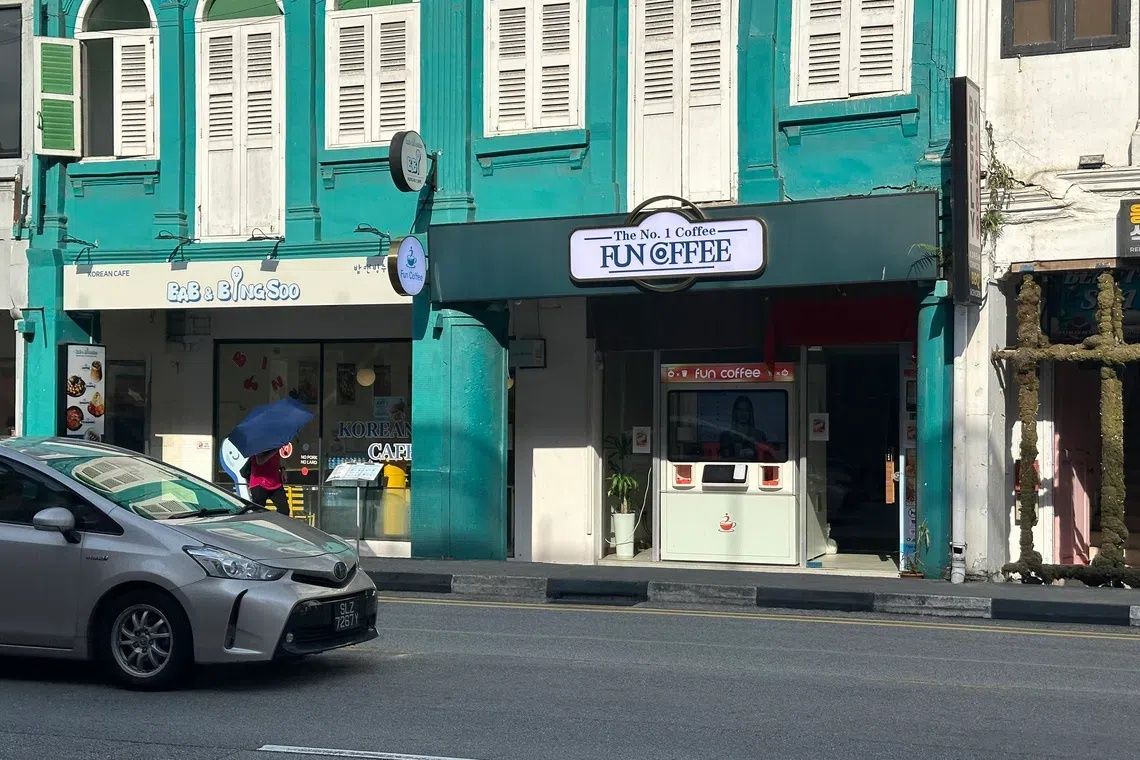
Singapore authorities have arrested a 49-year-old woman connected to Fun Coffee, an investment platform that exploited thousands of participants across the region by promising unusually high financial returns through a multi-level marketing structure. The woman, detained on August 6, is accused of actively promoting the scheme and recruiting participants into the operation, which authorities say uses deceptive tactics to extract money from vulnerable investors.
The Fun Coffee platform operates through a mobile application requiring participants to deposit Tether, a stablecoin cryptocurrency maintained at one-to-one parity with the US dollar. Once users load funds into digital wallets accessed through the app, they face systematic obstacles when attempting to retrieve their money. The architecture of the scheme explicitly incentivises recruitment, offering additional commissions to members who successfully convince others to invest, a hallmark of pyramid structures that prioritise network expansion over legitimate business operations.
The woman faces prosecution under Singapore's Multi-Level Marketing and Pyramid Selling (Prohibition) Act, which carries penalties of up to five years imprisonment, fines reaching S$200,000, or both if she is convicted. This legal framework reflects regional authorities' growing recognition that cryptocurrency-based schemes pose heightened risks precisely because they operate across borders with minimal regulatory oversight and near-instant fund transfers.
Fun Coffee claims a Vietnam-based operation centred in Phu Quoc with purported assets exceeding US$1 billion and a workforce comprising more than 5,000 members. However, these assertions remain unverified and increasingly appear inconsistent with the platform's demonstrated inability to process legitimate withdrawal requests. The company markets itself as a lifestyle brand merging coffee commerce with wellness services and digital innovation, providing a thin veneer of legitimacy that obscures the underlying investment mechanism.
The geographic reach of this scam underscores the transnational nature of cryptocurrency fraud in Southeast Asia. Hong Kong and Macau authorities have separately arrested eight individuals associated with the operation, with approximately 200 victims in those jurisdictions reporting combined losses approaching HK$100 million. A Singapore victim disclosed investing approximately S$400,000 with zero recovery, illustrating how individual losses can accumulate rapidly when caught in such schemes.
Fun Coffee's Singapore presence commenced sometime during 2025, with registered business premises at 202 Jalan Besar featuring a coffee vending machine equipped with QR code payment functionality. The physical storefront creates superficial credibility, yet the handwritten instructions accompanying the machine suggest operational informality inconsistent with legitimate commercial enterprise. This theatrical staging represents a calculated effort to provide tangible proof of legitimacy to potential investors who increasingly demand visible infrastructure before committing substantial sums.
Particularly concerning are the payment mechanisms employed by the scheme's operators. Beyond the cryptocurrency transfers channelled through the Fun Coffee application, recruitment and operational communications encourage fund transfers via personal PayNow QR codes, individual mobile numbers, and overseas accounts. These fragmented payment pathways deliberately circumvent institutional banking oversight and create technical barriers for subsequent fund recovery, as money flows through personal channels rather than traceable corporate accounts.
Singapore's police force has issued explicit public warnings cautioning against continued financial commitments to the scheme, even when approached by individuals claiming official representation or through app-generated requests. The specificity of this guidance reflects operational sophistication within the scheme; members continue recruitment efforts and may contact existing investors requesting additional transfers, exploiting sunk-cost psychology and social pressure inherent in network-based operations.
The emergence of Fun Coffee illustrates how traditional pyramid selling tactics have evolved within the cryptocurrency ecosystem. The combination of blockchain-based digital assets, global accessibility, recruitment incentives, and lifestyle branding creates particularly potent conditions for financial exploitation. For Malaysian investors, this case carries direct relevance given substantial cross-border financial flows within ASEAN and widespread cryptocurrency adoption among younger demographic cohorts seeking alternative investment channels.
Regulatory responses across the region remain fragmented, with each jurisdiction pursuing investigations independently rather than through coordinated multilateral action. Singapore's enforcement under specific anti-pyramid legislation differs substantially from approaches taken in Hong Kong, Macau, and Vietnam, potentially creating jurisdictional gaps that sophisticated operators intentionally exploit. The absence of harmonised regional frameworks for cryptocurrency investment regulation enables schemes to target populations across multiple countries while maintaining operational bases in jurisdictions with limited enforcement capacity.
For Southeast Asian consumers, the Fun Coffee case demonstrates how emotional appeals combined with technological obfuscation can overcome rational financial decision-making. The framing as a lifestyle and community platform rather than pure investment vehicle represents psychological manipulation designed to reframe participation as lifestyle choice rather than financial speculation subject to risk assessment. Authorities across Malaysia, Singapore, and other regional centres continue emphasising that high-return promises coupled with recruitment incentives constitute reliable indicators of fraudulent operations regardless of accompanying branding.
The international scope of investigations suggests sustained commitment among regional law enforcement agencies to pursue these networks, though gaps in cross-border cooperation mechanisms remain evident. Victims in multiple jurisdictions face significant obstacles in recovering funds given the cryptocurrency transfers' irreversible nature and the operational bases' locations in jurisdictions outside Western legal frameworks. For Malaysian participants, recovery prospects appear minimal absent direct voluntary repatriation by remaining scheme operators.

